
A bold rendering, not a production plan
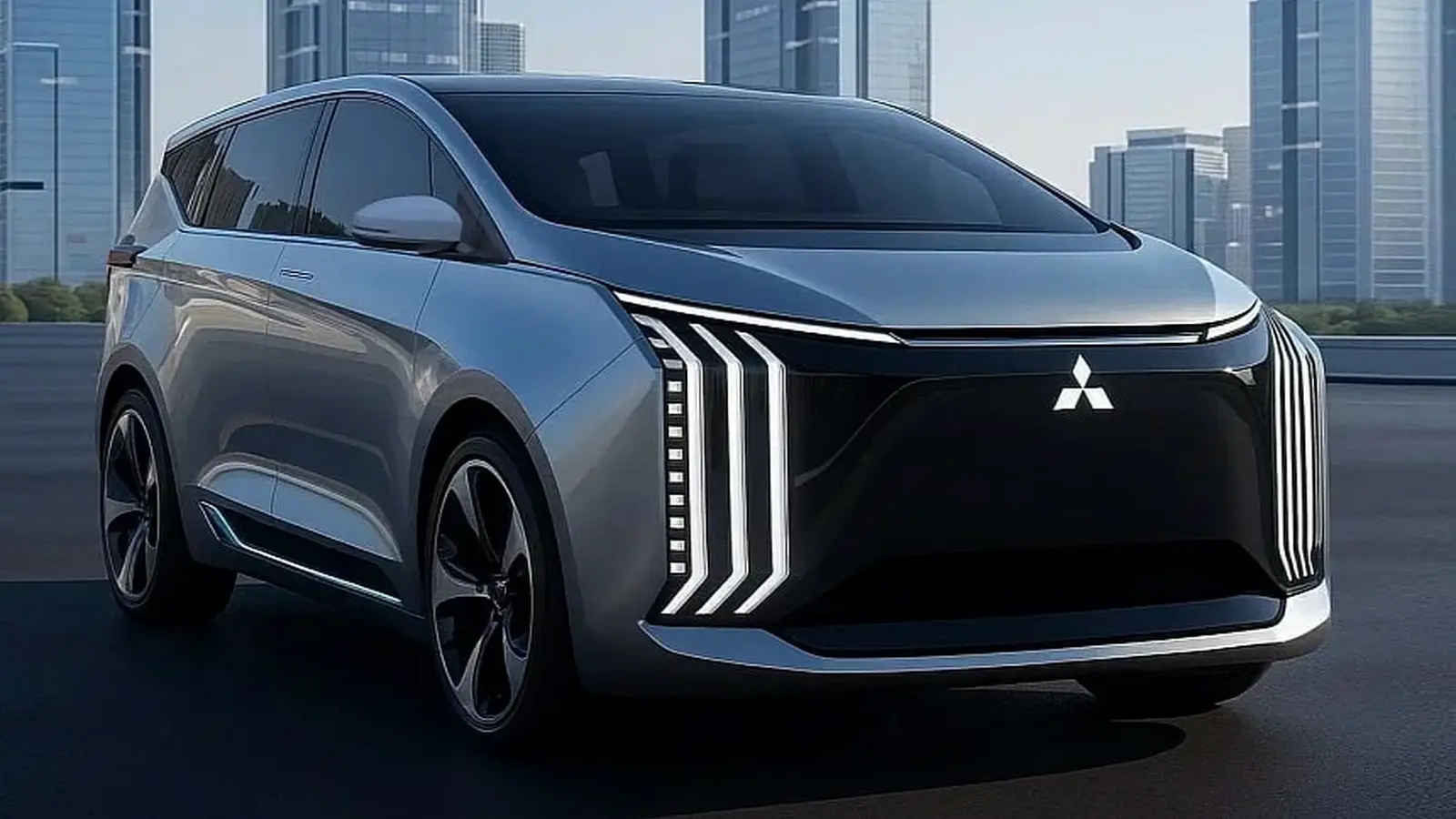
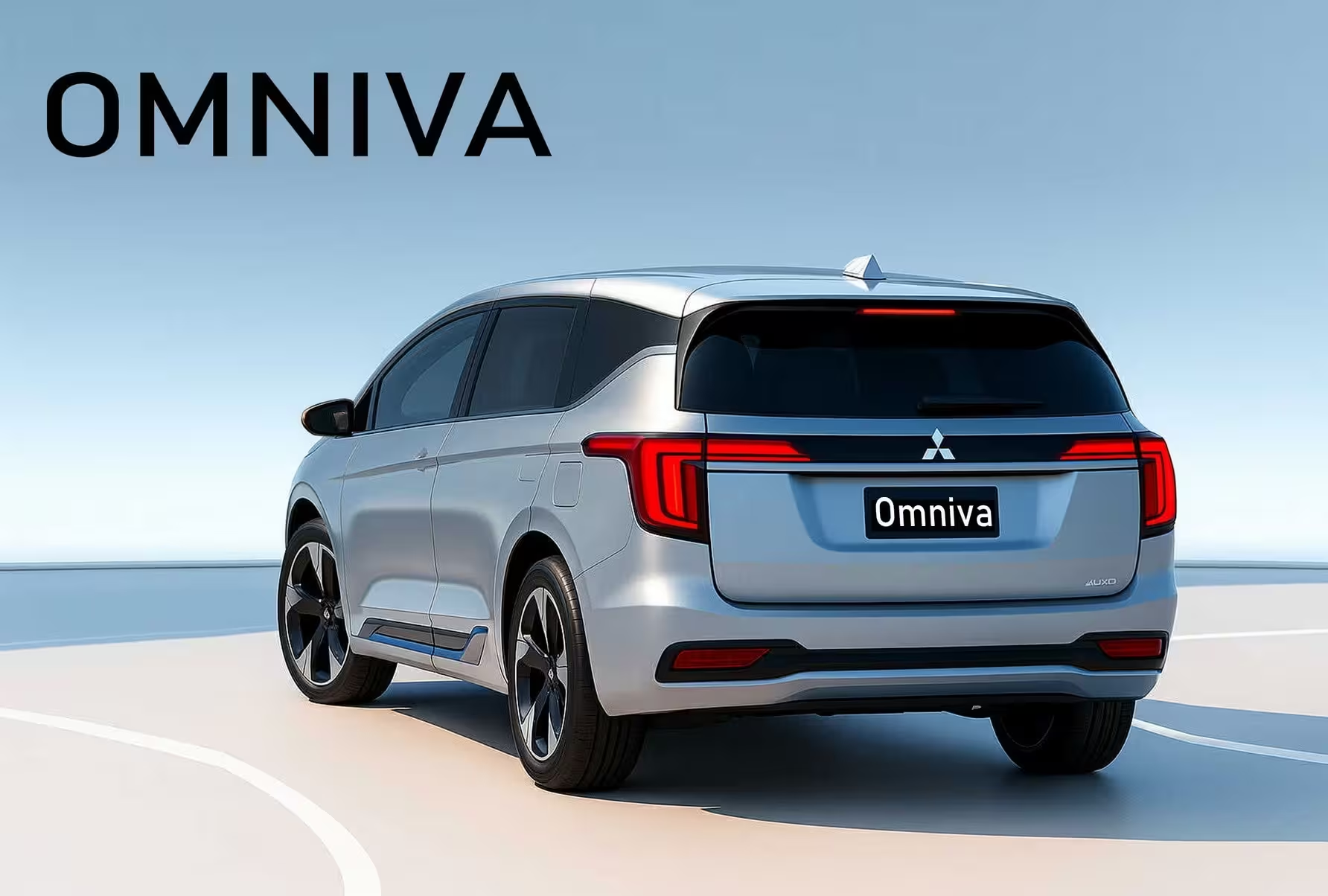
The Mitsubishi Omniva—at least as it exists today—is pure concept art: a detailed digital rendering by designer Huynh Ngoc Lan that reimagines Mitsubishi as a maker of family-focused people carriers. The result looks like what some might call the Chrysler Pacifica's worst digital nightmare: a minivan with exaggerated tech, aggressive lighting, and a silhouette that mixes sleek crossover cues with traditional van practicality.
Mitsubishi hasn't shown any public intention of bringing a minivan to the U.S. market, where its current lineup reads conservatively: Outlander, Outlander PHEV, the smaller Outlander Sport, Eclipse crossovers, and the low-cost Mirage in hatchback or G4 sedan forms. That makes the Omniva render an entertaining thought experiment rather than a preview of an upcoming production model.
Design highlights: futuristic but familiar
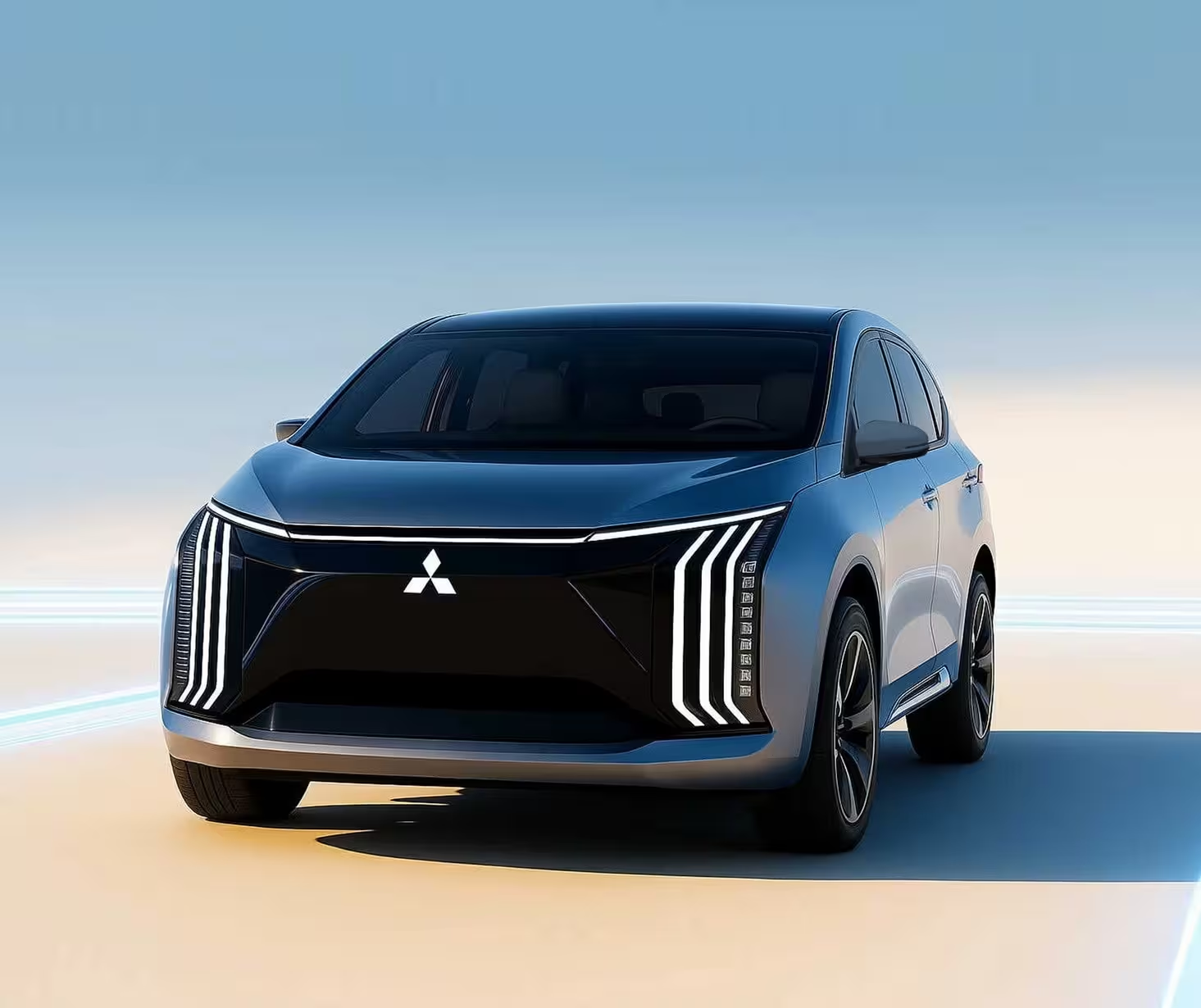
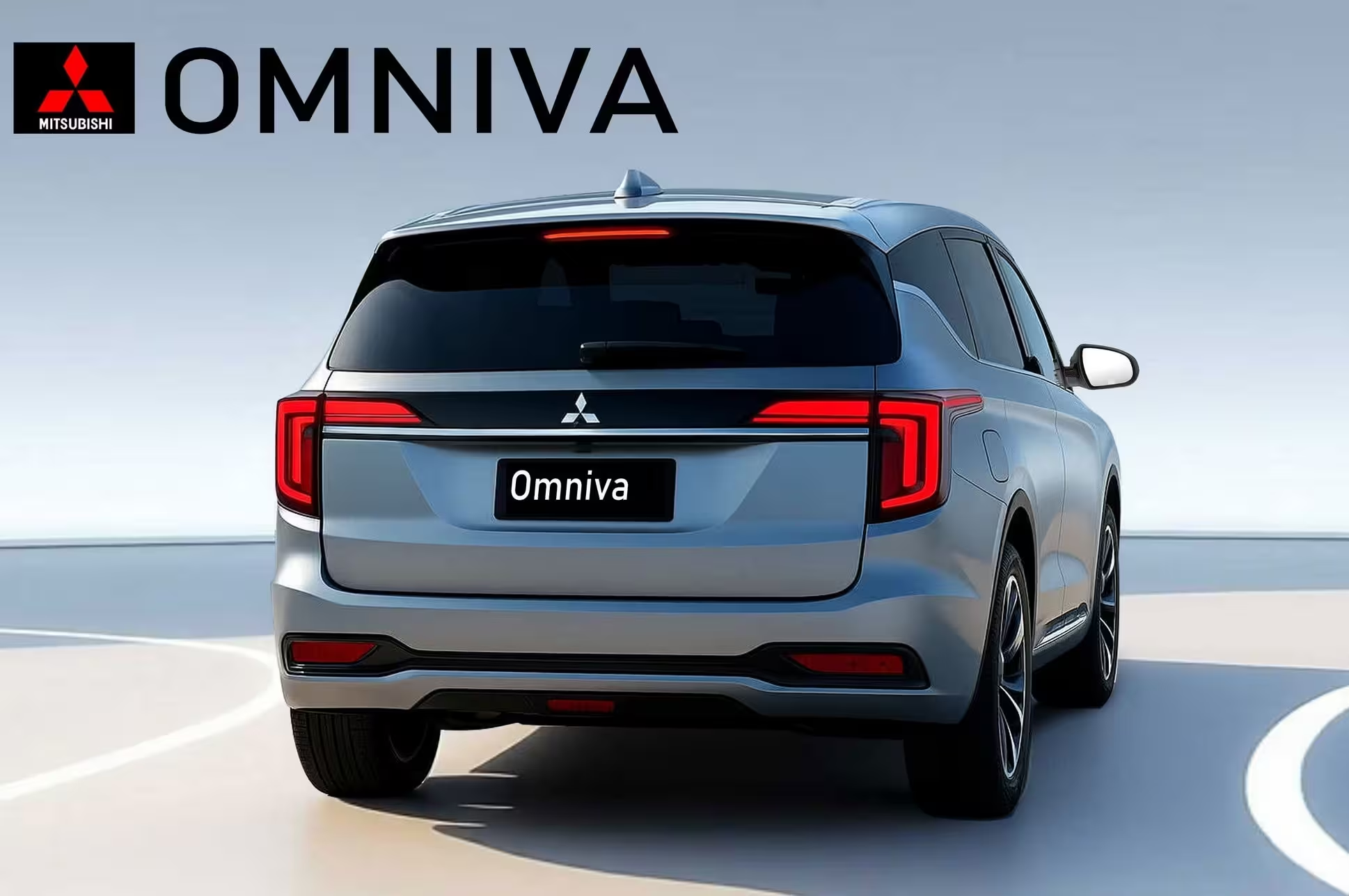
From the front, the Omniva carries subtle Mitsubishi DNA—thin horizontal DRLs, a compact upper grille and larger vertical daytime running lights embedded in the bumper. The huge lower grille has a mostly closed-off look, blending function and futuristic styling. At the rear the treatment shifts: V-shaped taillights, a conventional bumper with reflectors, and a rear hatch with a simple license-plate recess.
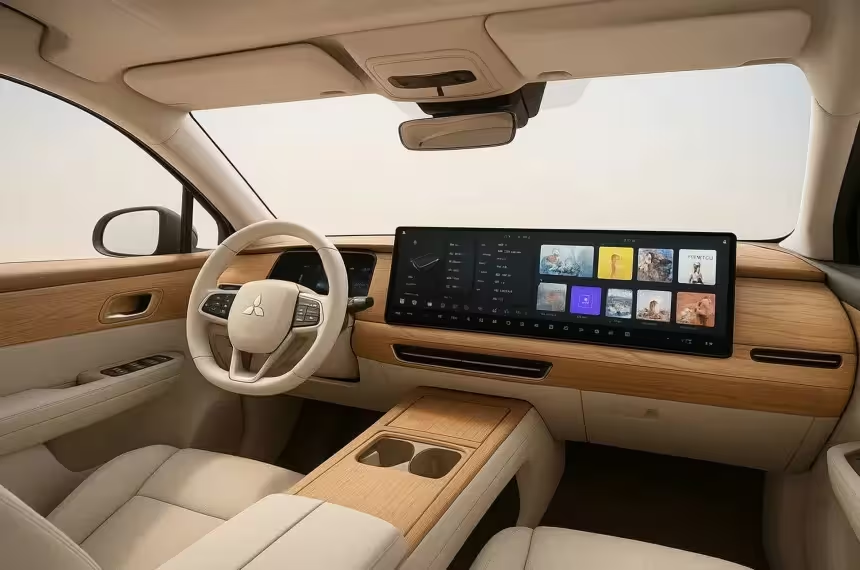
The profile is surprisingly sleek for a minivan concept. Sliding rear doors are included in the render—an essential family-van feature that improves access for children and cargo. Inside, the Omniva steps into bold territory: a single glass surface across the dash houses a massive infotainment unit and a passenger display, supported by a separate digital cluster. Wood trim, beige upholstery and warm tones aim for a premium family-cabin feel.
Key visual features
- Thin horizontal LED strips at the front
- Large vertical DRLs in the bumper
- Sliding rear doors for easy access
- Massive integrated infotainment and passenger display
Why this render matters—market context
Minivan sales have been steadily shrinking in many Western markets as crossovers and SUVs dominate buyer preferences. That shift has pushed many manufacturers away from dedicated people carriers. Still, minivans remain desirable for certain buyers: families who value interior space, sliding doors, and flexible seating. A Mitsubishi minivan would face tough choices: platform sharing, powertrain options (gas, hybrid or plug-in hybrid), and how to position the vehicle against stalwarts like the Chrysler Pacifica and Toyota Sienna.
If Mitsubishi ever considered a production minivan, it would need:
- A competitive hybrid or electrified powertrain
- Flexible seating and storage solutions for families
- Modern safety and driver-assist systems
- A price and value proposition aligned with the brand’s identity
Would buyers be interested?
The Omniva render is eye-catching, but art and reality differ. Buyers who prioritize utility and reliability may prefer proven models like the Pacifica or Sienna. Enthusiasts might appreciate Mitsubishi re-entering the people-carrier segment with bold digital cabin tech and sliding doors, but commercial decisions—platform cost, market demand, and brand focus—will ultimately determine if such a van ever arrives.
Quote: "Design exercises like Omniva highlight possibilities more than promises. They show where imagination could meet market needs if the brand chooses to act."
Whether the Omniva remains a clever pixel project or inspires future concepts, it’s a reminder that there’s still room for creativity in the shrinking minivan market. Would you buy a Mitsubishi minivan if it looked like this? Share your thoughts—practicality or panache?

“Cars are evolving faster than ever. I cover electric vehicles, smart mobility, and the future of transportation worldwide.”

Discussion
Leave a Comment