
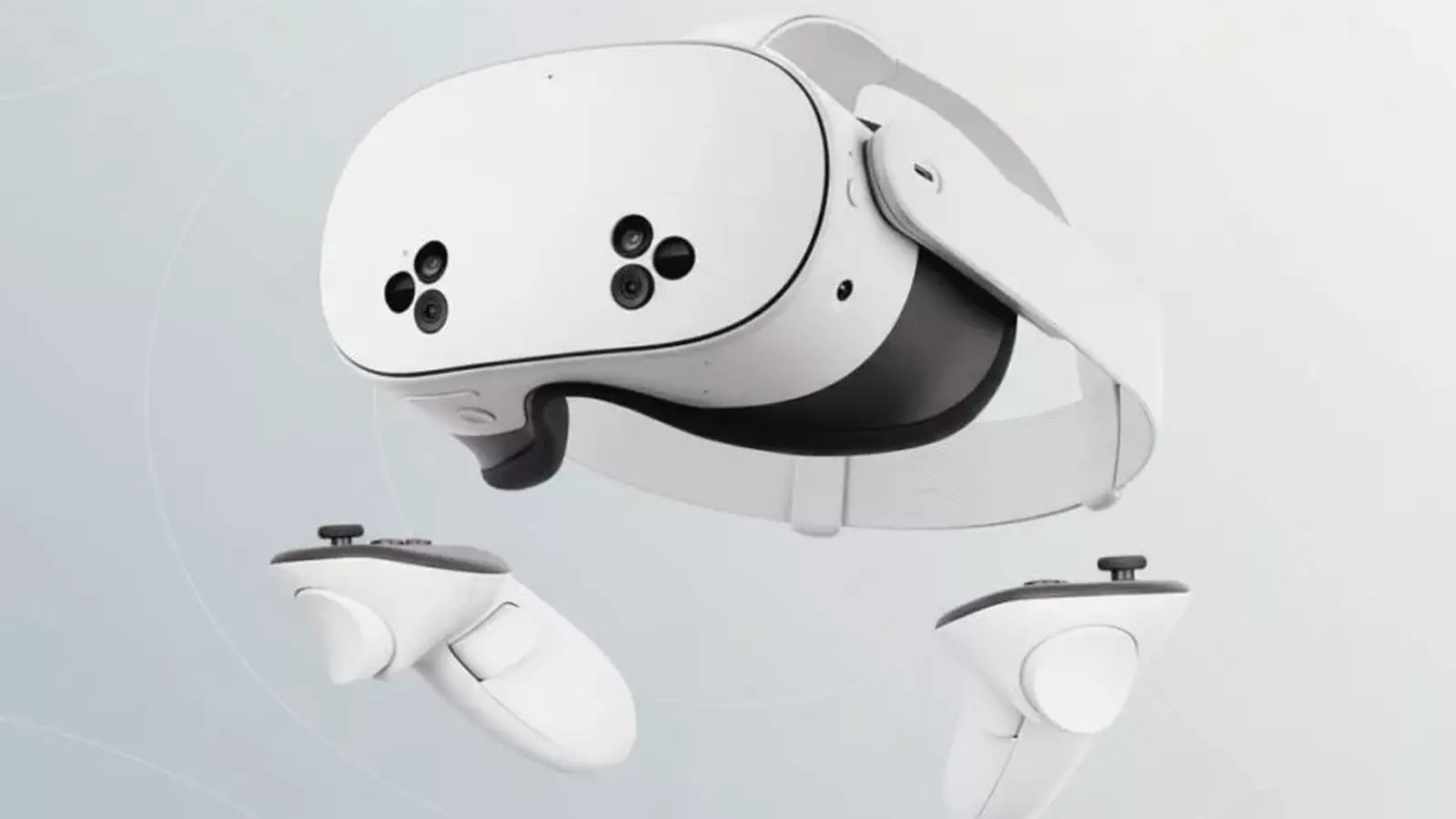
Meta has quietly halted its plan to license Horizon OS to third-party VR headsets, shifting attention back to its own hardware and software. The change marks a tactical retreat from a more open approach introduced earlier this year.
Why Meta is pulling back
Road to VR first reported the move, and Meta spokesperson Johanna Pees told The Verge that the company is pausing the partner licensing program so it can reallocate resources. Pees said Meta wants to focus on building first-party, best-in-class hardware and software that define the VR market.
The company framed the decision as temporary, leaving the door open to renew third-party collaborations if market conditions evolve. For now, Meta will concentrate its engineering and product teams on its own Quest line and future devices.
What the original program promised
Announced in April 2024, the licensing initiative was meant to let other hardware makers run Meta's headset OS on their devices. At the time Meta rebranded the platform as Horizon OS and highlighted partners like Lenovo and ASUS as potential adopters. The stated goal was to expand consumer choice and grow the developer ecosystem.

Mark Zuckerberg positioned the program as part of an open model for next-generation computing, one that could shape the future of the metaverse, smart glasses, and standalone VR headsets. The abrupt pause signals a course correction toward tighter integration between Meta's software and hardware.
Timing, delays and budget cuts
The announcement arrives as Meta faces product delays and cost pressure. Business Insider has reported a postponement for Meta's Phoenix mixed-reality glasses, pushing launch from late 2026 into early 2027. At the same time, Meta is reportedly planning to cut about one-third of its metaverse budget next year, underlining a broader strategy of concentrating on core projects.
For developers and hardware partners, the pause raises questions about product roadmaps. Companies that had planned Horizon OS-based headsets may need to reassess, seek alternative platforms, or pause development until Meta revisits the program.
Ultimately, Meta's move is pragmatic: prioritize flagship devices and tightly controlled software experiences, then reconsider opening the platform later if the market warrants it. For users and makers, the key will be watching whether Meta restores licensing when conditions change.

“I cover emerging technologies, digital innovation, and the intersection of tech and everyday life. My goal is to make complex trends accessible and inspiring.”

Discussion
Leave a Comment
Comments
No comments yet. Be the first.