
3 Minutes
Huawei says its self-built operating system, HarmonyOS, has crossed a key threshold: more than 27 million active devices running HarmonyOS 5 and HarmonyOS 6 combined. The company calls this number its "survival line" — the minimum scale it believes necessary to keep developers engaged and the ecosystem growing.
Why the 27 million milestone matters
At first glance the figure is a straightforward user count. Dig a little deeper and it becomes a strategic signal. HarmonyOS was born out of necessity after US sanctions limited Huawei's access to Google services. Since then the company has been steadily migrating hardware onto its own software — a move that now looks less experimental and more structural.
Huawei highlights several signs of momentum: a large and growing developer base, healthy daily device activations, and significant app activity. Those indicators help explain why Huawei frames 27 million as more than a milestone — it’s a baseline for long-term viability.
- Registered developers: over 10 million
- Daily device activations: more than 100,000 new devices
- Daily app downloads and updates: about 88 million
Such numbers matter because an operating system is only as valuable as the apps and services that run on it. The more developers and users, the easier it becomes to attract third-party apps and build out a full ecosystem.
HarmonyOS 6 and product momentum
HarmonyOS 6 reached developers in June 2025 and began rolling out to consumers in China by October. The update added features aimed at improving everyday device interactions — for example, a file-sharing tool often compared to Apple’s AirDrop. That kind of utility helps glue users into a single, cross-device experience on Huawei hardware.
Market research points to tangible traction. Counterpoint Research reported HarmonyOS held roughly 17% of China’s smartphone OS market in Q2 2025, nudging past iOS at 16% and trailing Android’s 66%. Meanwhile, Huawei’s hardware recovery in China has been visible: BCI data shows Huawei briefly reclaimed the top vendor spot in late November and early December 2025, helped by strong demand for the Mate 80 series.
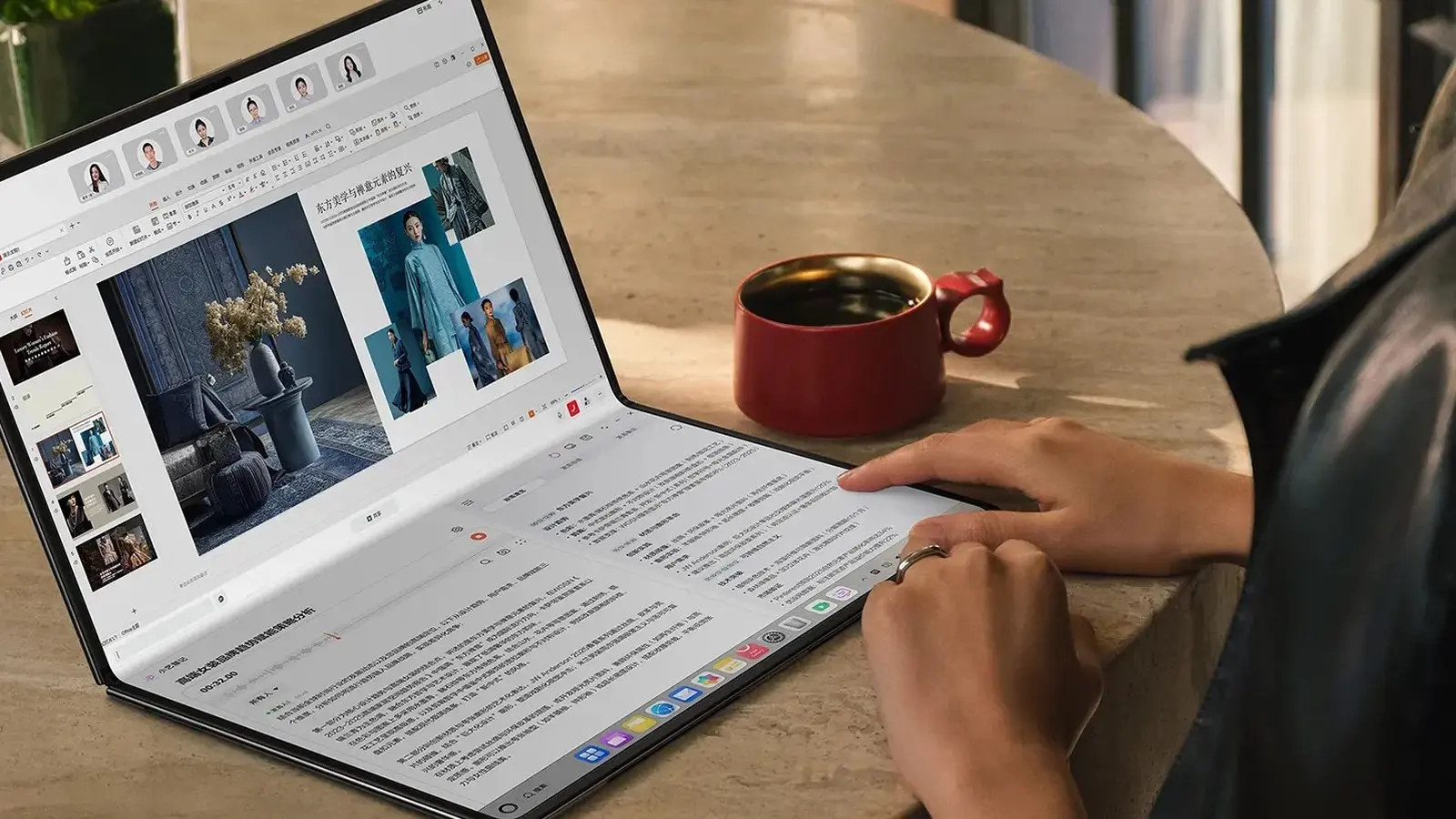
With newer devices shipping exclusively on HarmonyOS, Huawei appears committed to a self-contained platform approach. That strategy reduces dependence on foreign services and creates a clearer upgrade path for users who buy into Huawei’s device line — phones, foldables, laptops and smart devices working under one software umbrella.
Will HarmonyOS become a global challenger to Android or iOS? That’s still an open question. For now, the story is focused on China, where Huawei’s brand strength and retail reach give the platform the best chance to scale quickly. The 27 million mark doesn’t guarantee global success, but it does mark a turning point for Huawei’s ambition to own more of its software destiny.
Source: gizmochina



Leave a Comment