
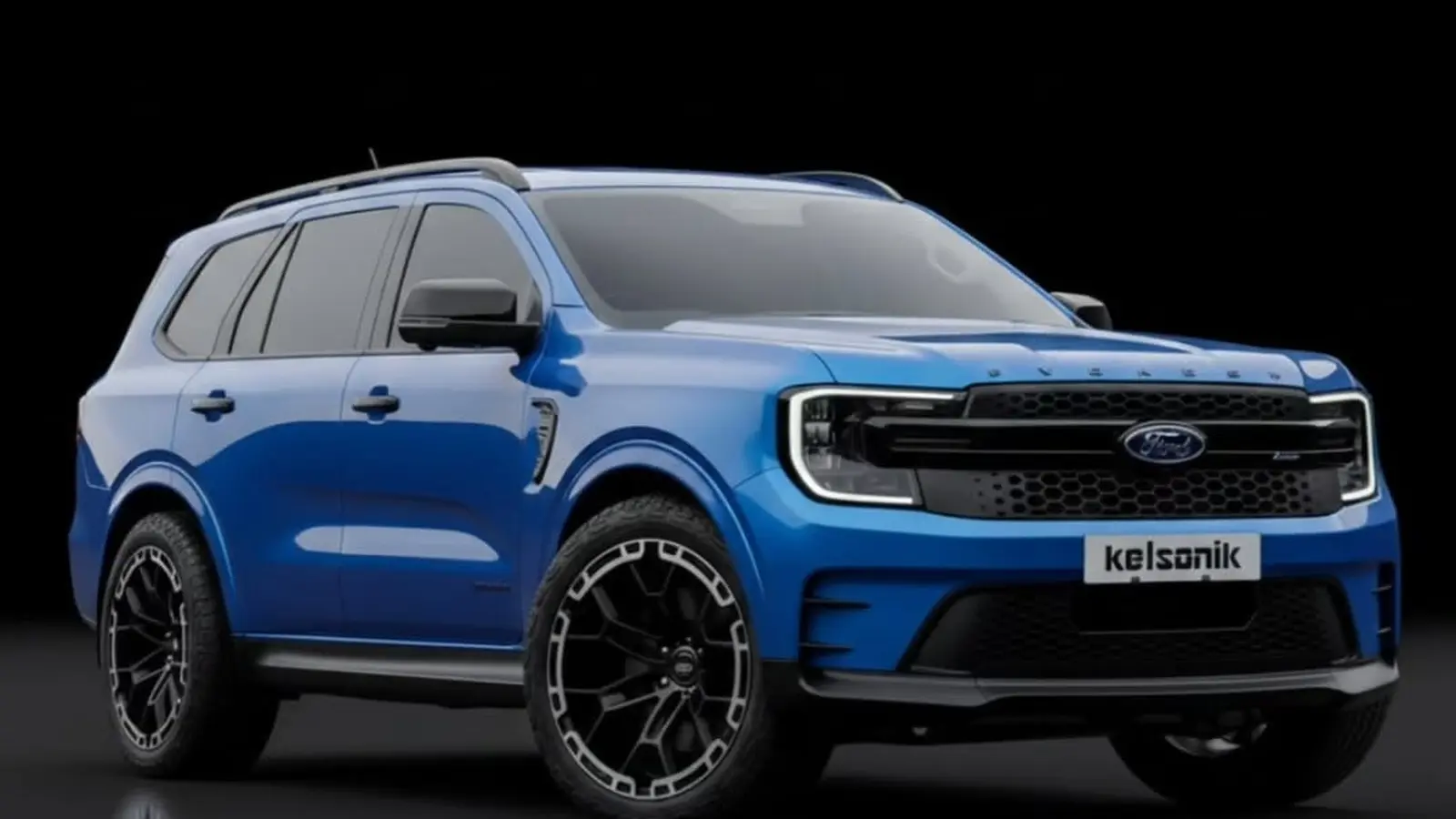
Ford Everest CGI Gives Ranger’s SUV Sibling a Sharper Look
The Ford Everest — a nameplate that’s vital in many Asian, African and Latin markets — has just been reimagined in a new set of high-quality CG renderings. Created by digital artist @kelsonik and shared on social media, these images recast the Everest as a sharper, more athletic SUV while keeping the model’s core identity intact.
Why the Everest still matters
The Everest isn’t sold in some Western markets, but it plays a key role for Ford globally. Built on the T6.2 platform that underpins the Ford Ranger, the Everest launched its third generation from Ford’s Rayong plant in Thailand in 2022. From there it’s exported to multiple regions, offering a variety of gasoline and diesel engines paired with 6- or 10-speed automatic transmissions depending on the market and powertrain.
Because it shares architecture and components with the Ranger, the Everest is closely related to other T6.2-based models — including the latest Bronco and the second-generation Volkswagen Amarok assembled in South Africa. This shared engineering helps Ford streamline production and provide competitive off-road capability and towing performance across its mid-size truck/SUV range.

What the CGI actually changed
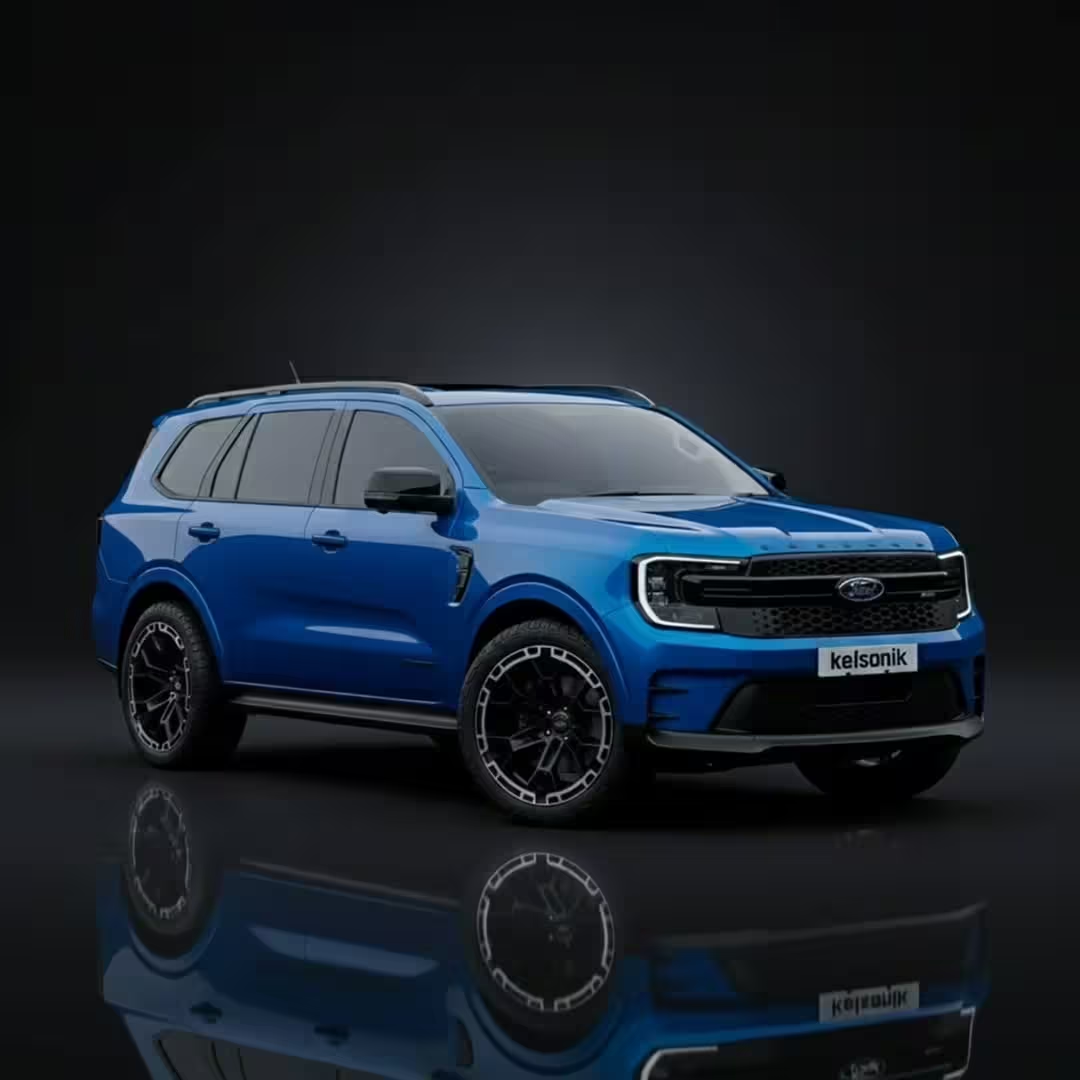
Kelsonik’s renderings are not a factory preview but an imaginative exercise. Still, the visual tweaks are worth noting for enthusiasts and potential buyers who care about styling details:
- A shorter, wider grille that now stretches laterally toward the fenders
- Compact, revised headlights that keep the Everest’s C-shaped daytime running light signature but with cleaner, sharper lines
- A beefier central air intake and new side vents integrated into a reworked front bumper
- Lower ride height and much larger wheels shod in chunky rubber for a sportier stance
- The Everest nameplate stamped on the hood remains a design cue
Save for the lower ground clearance and larger wheels, the profile remains true to the production SUV. The rear wasn’t rendered in this set, so details like taillights and bumper revisions are left to the imagination.
Design vs. function: trade-offs to consider
The CGI Everest looks undeniably sportier and more aggressive than the current production model — a welcome update for buyers who prefer urban style and on-road presence. However, there are trade-offs:
- Lower ground clearance sacrifices some off-road capability and approach/departure angles
- Bigger wheels often reduce ride comfort and can increase road noise
Quote: “The render makes the Everest look like a crossover-sport SUV, trading a bit of utility for sharper street appeal.”

How this fits into Ford’s SUV lineup
Seen in context, these renderings highlight how a mid-size SUV based on a pickup platform can be adapted for different buyer tastes — from rugged, go-anywhere capability to a more refined, street-focused presence. Whether Ford will ever adopt similar styling cues in a future facelift is unclear, but design exercises like this often influence public perception and sometimes even inspire manufacturers.
Highlights:
- T6.2 platform shared with Ranger, Bronco, and VW Amarok
- Production hub: Rayong, Thailand for third generation
- CGI focuses on front-end redesign and stance changes
Ultimately, the CGI Everest is a reminder that styling choices can dramatically alter an SUV’s personality. Would you trade a bit of off-road utility for a sleeker, sportier look? For many buyers, the rendered Everest would be an easy yes.

“I cover automotive innovation, electric vehicles, and the future of mobility — where technology meets sustainability.”

Discussion
Leave a Comment