
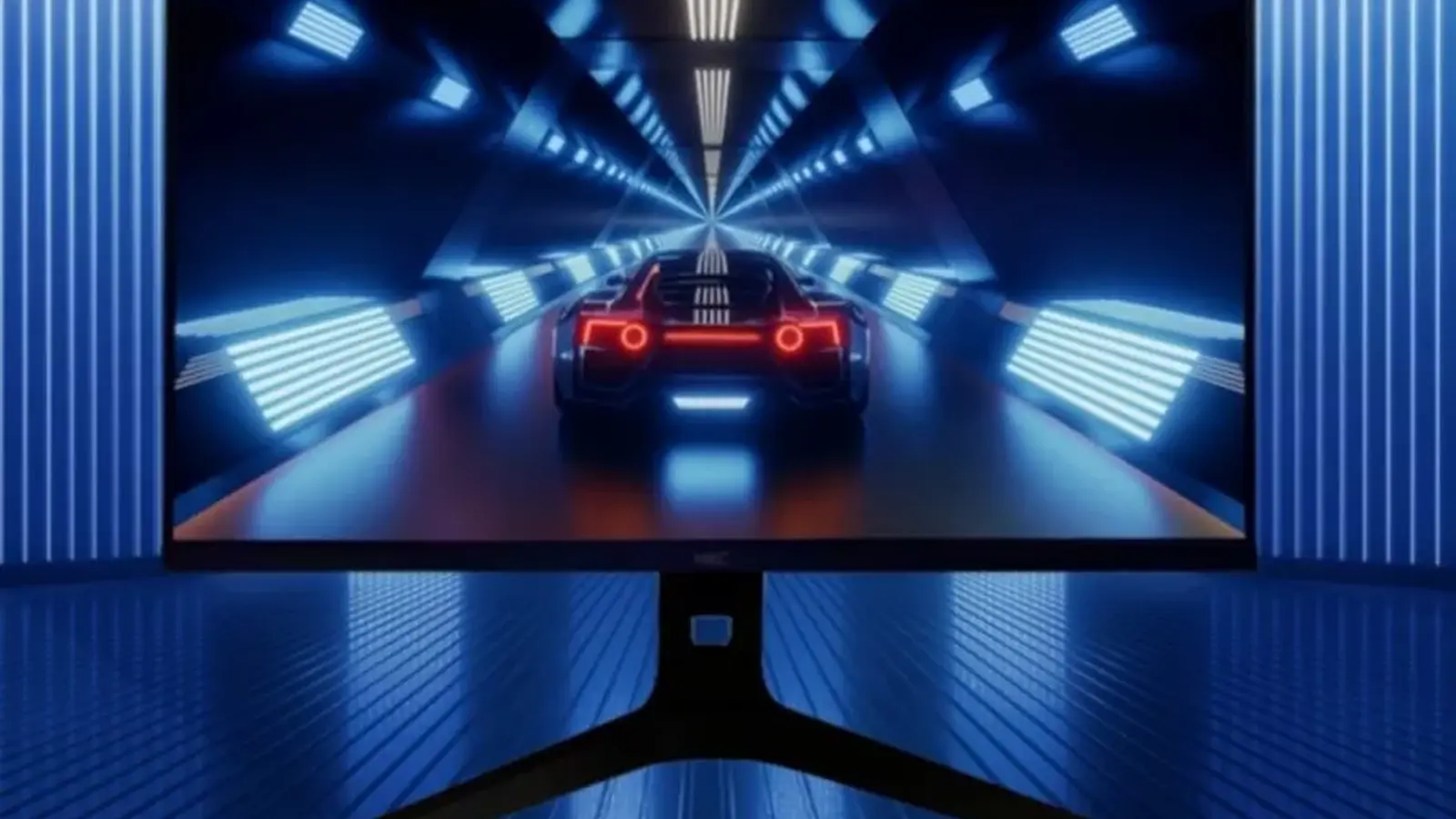
HKC just pushed refresh-rate boundaries again, announcing a gaming monitor that runs at a staggering 1080Hz when set to 720p. The move marks the company as the first to ship a consumer display that hits the four‑digit refresh milestone, further heating up the race for the fastest screens in competitive gaming.
Two modes: blistering speed or balanced detail
The new HKC panel offers two distinct picture modes. In HD (720p) it delivers an ultra‑competitive 1080Hz refresh rate designed for pro players chasing every millisecond of advantage. Switch to 2K (1440p) and the monitor still runs a very high 540Hz, a compromise that prioritizes visual detail while keeping motion smooth.
This split approach mirrors recent efforts from other brands—Samsung, ASUS, LG, Philips and AOC have all shown displays in the 720Hz–1040Hz range—but HKC’s 1080Hz tier sets a new ceiling. For gamers who demand raw frame throughput for FPS and eSports titles, the 720p/1080Hz mode is a clear statement of intent.

HKC hasn’t published full panel specs yet: brightness, color gamut and I/O details remain under wraps. However, to achieve such high refresh rates the monitor is expected to support modern interfaces like HDMI 2.1 and DisplayPort 2.1. The company also claims the display reaches near "zero millisecond" input lag, aiming squarely at the competitive market.
How will this play out in practice? If you value absolute responsiveness above all else, the 720p/1080Hz mode will likely appeal. If you prefer a sharper image without giving up silky motion, the 1440p/540Hz option hits a sweet spot between clarity and speed.
Price and availability are not yet announced. As manufacturers race toward 1000Hz and beyond, models with dual picture modes are increasingly popular because they let players choose between ultra‑low latency and higher visual fidelity—often in the 200–600Hz range for a good middle ground.

“I love exploring gadgets, apps, and trends that redefine how we connect, work, and play in a digital world.”

Discussion
Leave a Comment
Comments
No comments yet. Be the first.