
How Lexus built an identity: five cars that changed the game
Lexus arrived on the global stage as Toyota's answer to a growing demand for premium Japanese luxury. What began in the late 1980s as a targeted push into North America quickly evolved into a brand defined by engineering, refinement and — occasionally — audacity. While Lexus produced many notable models, five production cars stand out for their influence: the LS 400, SC 400, IS F, LFA, and the LC 500. Each played a decisive role in shaping Lexus's reputation for reliability, quality and, later, performance.
1990–1994: Lexus LS 400 — the benchmark full-size sedan
When the LS 400 debuted as a 1990 model it wasn’t just another Toyota with leather — it was a carefully engineered statement. Commissioned under then-chairman Eiji Toyoda, the project was secretive and lavishly resourced. Lexus built the LS 400 to take on the Mercedes S-Class and BMW 7 Series, but with a focus on quietness, fit-and-finish and long-term dependability.

Highlights and specifications:
- Engine: 4.0-liter V8 (1UZ-FE) known for smoothness and durability
- Character: exceptionally quiet cabin, sophisticated suspension, excellent fuel economy for its class
- Market impact: positioned Lexus as a credible alternative to established European marques
The LS 400's combination of over-engineering and competitive pricing helped Lexus carve out a loyal customer base in the United States. Decades later the model remains a textbook example of how engineering and attention to detail can create brand equity.
1992–2000: Lexus SC 400 — a Japanese take on the American luxury coupe
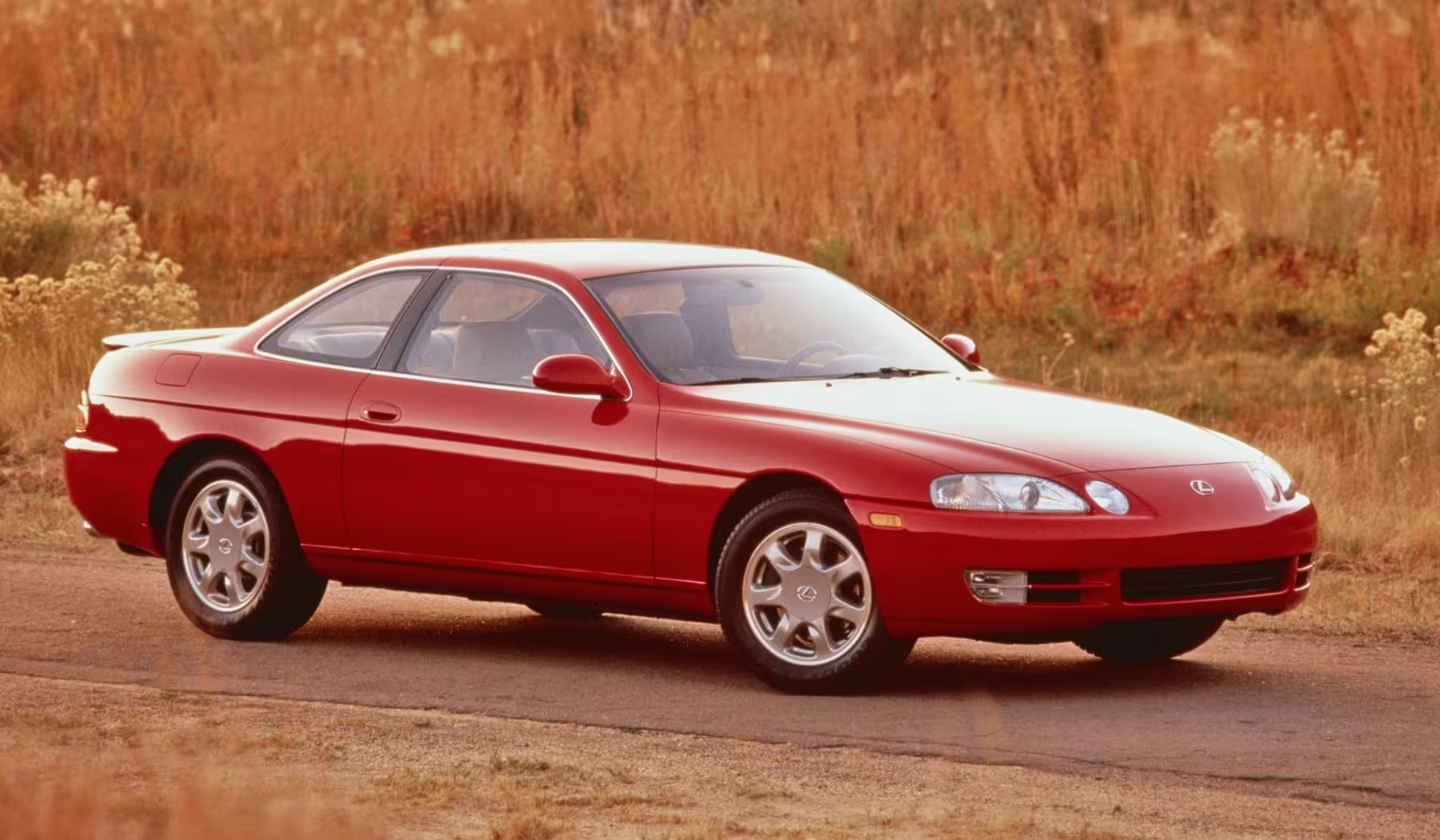
After establishing credibility with the LS, Lexus aimed for the niche of aspirational luxury coupes. The SC 400, developed by Calty designers in California, was Lexus’ answer: a sleek, aerodynamic two-door coupe that mixed grand tourer comfort with advanced tech for its era.
What set the SC 400 apart:
- Drag coefficient of about 0.31 — impressive for a luxury coupe of the 1990s
- Optional technologies such as air suspension and rear-wheel steering
- Shared, rock-solid 4.0-liter V8, initially producing 250 hp and later boosted
The SC 400 blended Japanese build quality with American tastes for comfort and straight-line refinement. Its low-key elegance and reliability have made it a modern classic among collectors who appreciate understated luxury.
2007–2014: Lexus IS F — Lexus turns up the volume on performance
For many years Lexus prioritized comfort over outright sportiness. The IS F changed that narrative. Launched in the mid-2000s, the IS F was Lexus’s first serious assault on performance sedans from BMW M and Mercedes-AMG.

Key engineering and performance notes:
- Engine: Yamaha-tuned, high-revving 5.0-liter V8 producing about 416 hp
- Chassis: revised suspension and damping, Nürburgring testing influenced setup
- Character: rawer, louder and more aggressive than previous Lexus models
Beyond straight-line pace and a punchy soundtrack, the IS F proved that Lexus could engineer a genuine performance sedan — giving birth to the “F” performance family that followed. It also opened Lexus to motorsport involvement, a shift that rebalanced the brand’s image toward driver-focused competence.
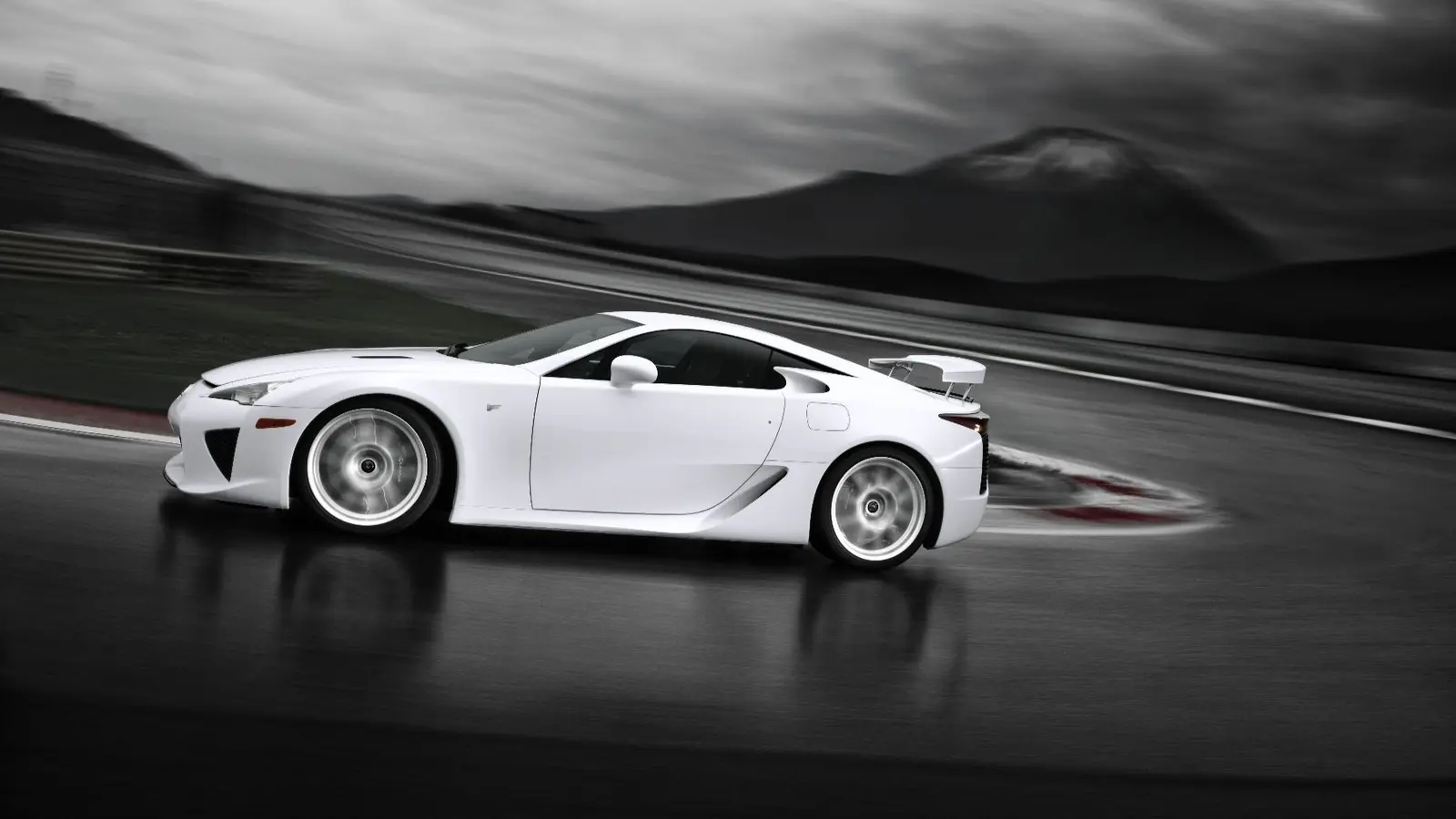
2010–2012: Lexus LFA — a measured, uncompromising supercar
If the IS F was a declaration that Lexus could play with performance, the LFA was an act of pure ambition. Developed over more than a decade, the LFA was Lexus’ first supercar and the marque’s first production V10.

LFA at a glance:
- Engine: 4.8-liter V10 (1LR-GUE), co-developed with Yamaha, initial output 553 hp; 563 hp with Nürburgring Package
- Production: limited to 500 units, hand-built between 2010 and 2012
- Special features: cutting-edge carbon fiber construction, an exhaust note engineered for drama, razor-sharp handling
The LFA showed that Lexus could create a halo car worthy of supercar conversation. It wasn’t just a marketing toy; it was a focused, track-capable machine with technical bravado and an emotional appeal often missing from the brand’s more restrained models.
2017–2026: Lexus LC 500 — design daring meets V8 performance
The LC 500 came from the LF-LC concept of 2012, and it delivered on the promise of a bold, modern Grand Tourer. Replacing the SC lineage, the LC combined striking design language with a potent 5.0-liter V8 and a sophisticated chassis setup.

Performance and character:
- Engine: 5.0-liter 2UR-GSE V8 producing about 471 hp
- 0–60 mph: approximately 4.4 seconds
- Focus: dramatic styling, refined interiors and a competent platform for both road and track
Though Lexus announced plans to end LC production after the 2026 model year, the LC has been an important bridge between Lexus’ traditional luxury values and a future that embraces expressive design and stronger performance DNA.
What these five models tell us about Lexus
Together, these cars map the evolution of Lexus from quiet, ultra-reliable luxury to a brand that can also surprise with performance and emotional design. The LS 400 laid the groundwork with build quality and value. The SC 400 broadened Lexus’ appeal to luxury coupe buyers. The IS F proved Lexus could duel with European performance divisions. The LFA created a halo of credibility among enthusiasts. And the LC 500 married design daring with true GT performance.
Highlights:
- Reliability and build quality remain Lexus core strengths.
- Lexus gradually built a performance sub-brand without losing its luxury DNA.
- Limited-run halo cars like the LFA expand brand perception far beyond sales numbers.
Whether you’re interested in classic luxury sedans or modern performance coupes and supercars, these five models are essential chapters in the Lexus story. They show how deliberate engineering, bold design choices and strategic market positioning can create a brand that’s both trusted and admired.
Quick takeaways for buyers and enthusiasts
- For long-term reliability and classic luxury: LS 400 remains the yardstick.
- For a stylish, comfortable coupe with classic charm: SC 400.
- For raw factory performance and driver engagement: IS F.
- For collector-level exclusivity and supercar pedigree: LFA.
- For contemporary design and grand touring capability: LC 500.
Each of these models helped Lexus move from a late-1980s newcomer to an influential global luxury marque. They remain popular among drivers, collectors and critics — and they explain why Lexus continues to be both respected and, at times, surprising.

“I cover automotive innovation, electric vehicles, and the future of mobility — where technology meets sustainability.”

Discussion
Leave a Comment