
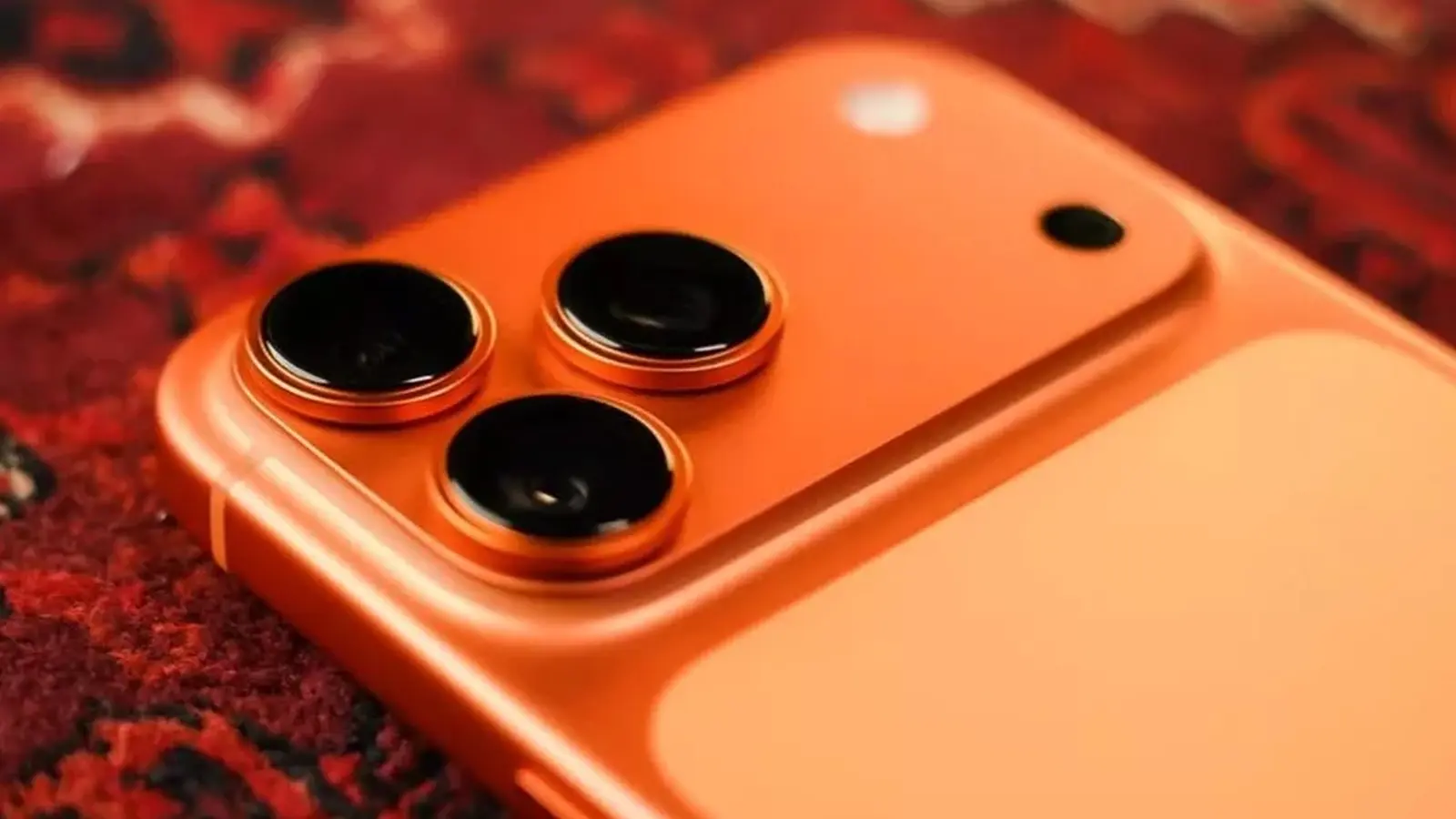
Apple is quietly planning one of the biggest iPhone rollouts in years. Rumors from a well-known Chinese leaker suggest the company will stretch the usual rhythm and scatter launches across early and late 2027, turning the year into a long product season rather than a single autumn event.
A crowded year in Cupertino?
Think of it like a festival spread over months. Early in the year you get the warm-up acts, and by autumn the headliners take the stage. According to the leak, six distinct iPhone models are in development for 2027, and they span everything from a budget-friendly, scaled-back handset to a bold foldable Ultra.
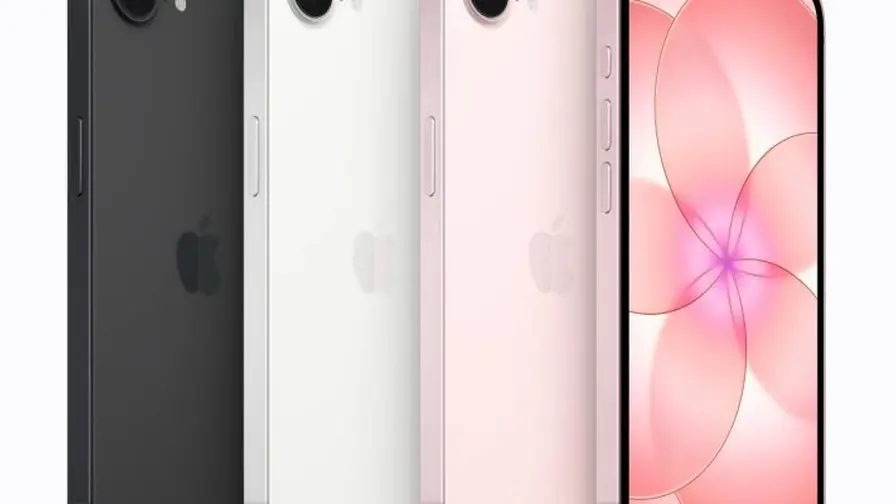
The early wave—expected as soon as March or April—will reportedly include three phones: an iPhone Air 2, an iPhone 18, and an iPhone 18e. These are followed by three higher-profile devices in September: a refreshed iPhone 19 Pro family and a foldable iPhone Ultra 2, with the Pro models rumored to carry special styling to mark the twentieth anniversary of the iPhone.
- iPhone Air 2: 6.55-inch, 1.5K resolution, 120 Hz LTPO OLED
- iPhone 18: 6.3-inch, 1.5K resolution, 120 Hz LTPO OLED
- iPhone 18e: 6.12-inch, 1.5K resolution, 60 Hz LTPS OLED
- iPhone 19 Pro series: body mold testing reportedly complete
- iPhone Ultra 2 (foldable): large foldable display—final mold tests finished

Those first three models look conservative by design. The iPhone 18 keeps the same panel size as the iPhone 17, while the iPhone Air 2 grows only marginally—about 0.05 inches—over its predecessor. The 18e nibbles at size too, roughly 0.02 inches larger than the 17e. Small changes. Low risk. Fast production.
But the 18e carries a more disappointing detail for buyers on a budget: it reportedly sticks with a 60 Hz display and LTPS technology, meaning no ProMotion smoothness. Word is Apple trimmed ambitions there to control memory usage and to avoid pushing the price up—a pragmatic, if uninspiring, compromise.
The latter half of the year seems to be where Apple will let engineers flex. The iPhone 19 Pro duo is said to have finished body mold testing, implying a near-final chassis design. And the foldable Ultra 2 has reportedly cleared its display mold trials, signaling that Apple is serious about bringing a premium foldable to market rather than a tentative experiment.
Why split launches? A staggered timeline gives Apple multiple advantages: it eases production bottlenecks, grants more time to polish higher-end hardware, and creates two marketing peaks instead of one. It also stretches customer attention across the calendar, which matters when every quarter counts.
There are risks. A fragmented release schedule can confuse buyers and blur the message about which model to choose. Yet for a company that prizes supply-chain control and margin protection, the approach makes sense. Apple appears to be balancing product excitement against practical pressures like component shortages and cost inflation.
Whether you care most about a smoothly animated 120 Hz panel or the novelty of a foldable Ultra, 2027 looks set to offer something for every corner of the iPhone market. Expect a modest early-spring refresh, followed by a bolder autumn slate that aims to celebrate two decades of the iPhone in style.
Apple seems poised to make 2027 the busiest iPhone year in memory.

“I love exploring gadgets, apps, and trends that redefine how we connect, work, and play in a digital world.”

Discussion
Leave a Comment
Comments (2)
Is this even true? Split launches help supply but confuse buyers. Will the 18e's 60Hz tank budget sales, or will ppl just settle?
Whoa, foldable Ultra 2 actually? If Apple ships six models in 2027 that's wild. Early drop makes sense, but i'm curious about price tiers…