
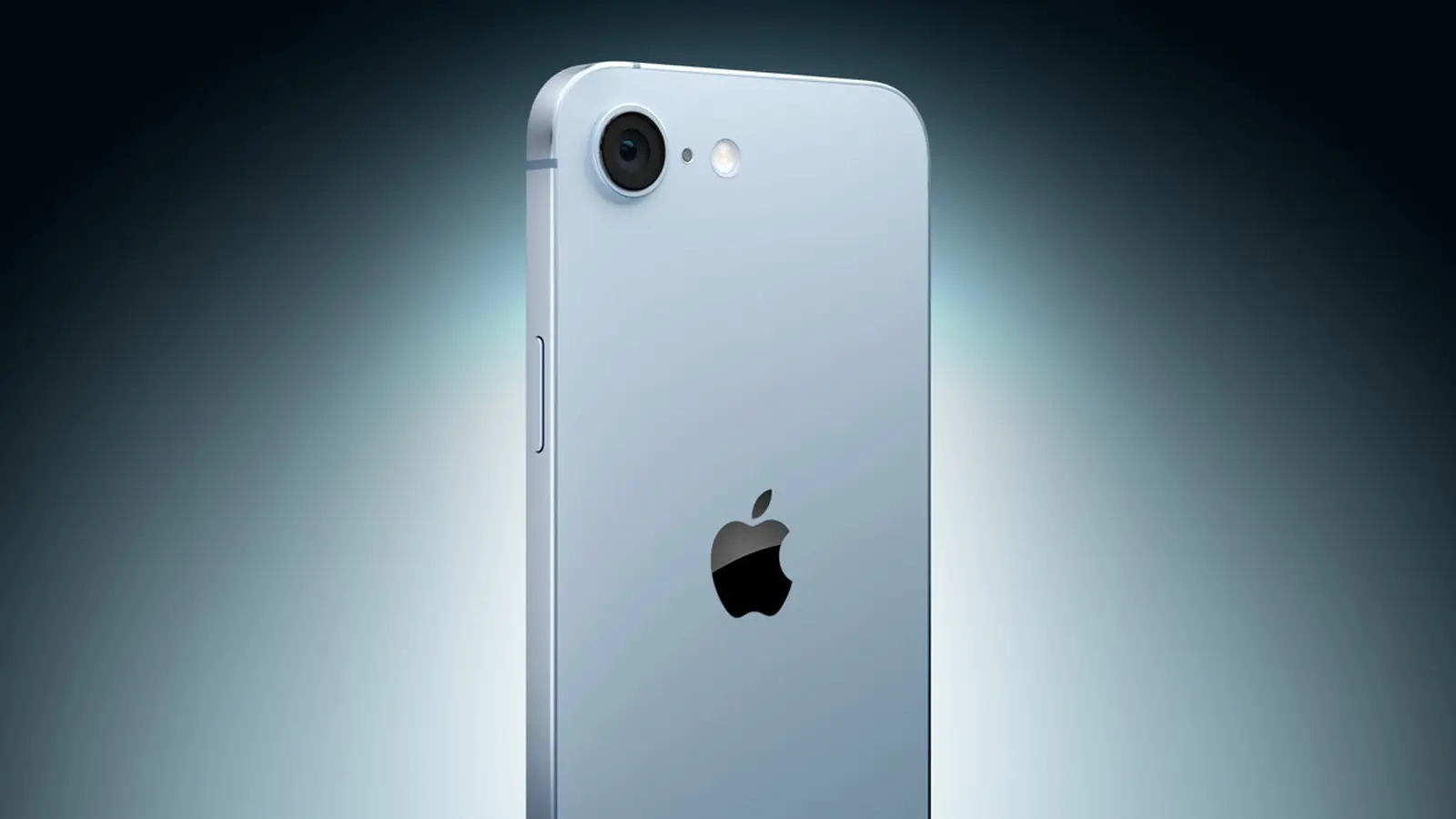
Apple looks set to turn early March into a machine-gun stream of product news. Short bursts of press releases. A handful of reveal videos. Then an in-person event the company has dubbed "Apple Experience" on March 4.
Bloomberg's Mark Gurman frames it as a three-day cascade of announcements, with the company seeding statements before the live gathering and saving the biggest splash for midweek. That means the calendar could feel busier than a typical Apple keynote—more drip-feed than single spotlight.
And the rumor sheet is crowded. Sources point to at least five significant updates spanning hardware, chips and firmware: a budget-oriented MacBook, a new iPhone 17e (unless Apple surprises us earlier), refreshed MacBook Pro models powered by M5 Pro and M5 Max silicon, a MacBook Air carrying the M5 chip, an iPad Air upgraded to M4, and a base iPad bump to an A18 chip. Beyond those, whispers include Mac Studio variants with M5 Max and M5 Ultra engines, and a second-generation Studio Display.

Why does Bloomberg think the entry-level MacBook is likely? The color tones rumored for that laptop match the palette on Apple’s invitation—small clues, big implications. At the same time, Gurman calls a simultaneous Mac Studio and Studio Display unveiling a bit ambitious; both are in development, but launching them together would be a heavy lift.
There’s another sign that Apple might be gearing up for a refresh: dwindling store inventory. The report notes that models such as the iPhone 16e, iPad Air M3, MacBook Air M4 and MacBook Pro models with M4-class chips are running low at Apple retail locations—a classic retailer hint that new generations are imminent.
So what should you watch for? The obvious: chip names and performance claims, new price points for any low-cost MacBook, and whether Apple uses this multi-day rollout to reshape how it announces products. If Bloomberg’s timeline holds, the company is testing a different rhythm for launches—one that stretches attention across several days instead of concentrating it all into a single keynote. That could be the most interesting experiment of all.

“I cover emerging technologies, digital innovation, and the intersection of tech and everyday life. My goal is to make complex trends accessible and inspiring.”

Discussion
Leave a Comment
Comments
No comments yet. Be the first.