
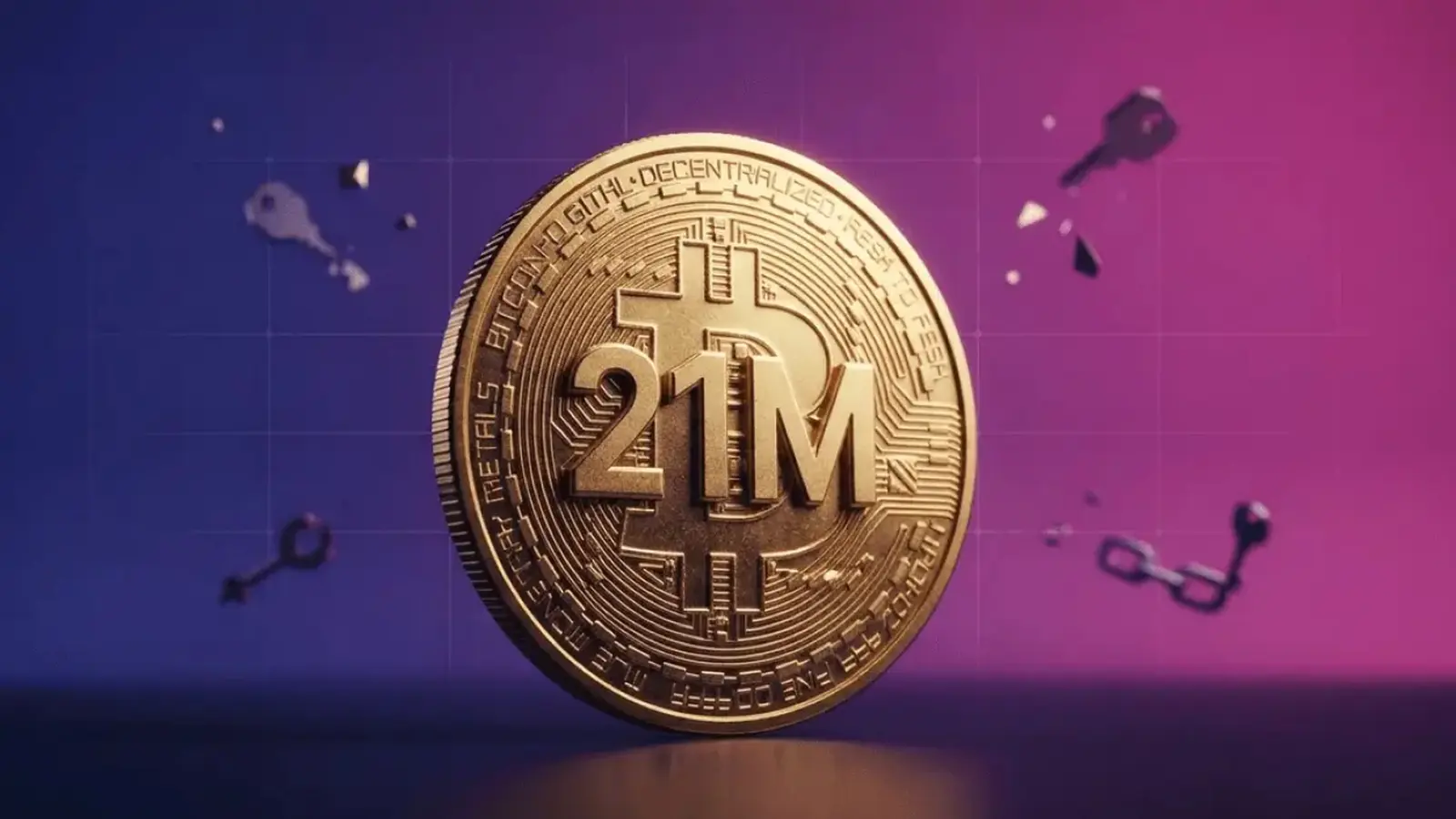
Controversy resurfaces over Bitcoin's 21 million supply cap
The long-standing 21 million BTC supply limit has become a flashpoint again in the crypto community after Bitcoin developer Peter Todd proposed a small, permanent issuance of new coins once block rewards end—around the year 2140. The idea aims to bolster long-term network security, but it has drawn sharp criticism from prominent figures like Adam Back, who warn that changing Bitcoin's supply rule would threaten one of the protocol's most trusted guarantees.
Peter Todd's proposal: a safety valve for miner incentives
Todd argues that as block rewards fade through repeated halvings, miners will rely increasingly on transaction fees. A fee-driven revenue model could be volatile: sudden drops or manipulations in fee income might reduce miner incentives and increase risks such as reorgs or history rewriting. By allowing a modest, continuous issuance after final minting, he believes the network could maintain predictable miner compensation and improve long-term network security.

Adam Back's counterpoint: preserving Bitcoin's fixed supply
Adam Back and other core proponents counter that the 21 million cap is central to Bitcoin's monetary credibility. Altering the supply would require a hard fork and broad community consensus—an unlikely and risky path that could undermine user trust and consensus. Back highlights that protocol-change proposals are sometimes framed simplistically to gain support, ignoring long-term governance and economic implications.
Technical and governance hurdles: hard forks and consensus
Changing the supply cap would not be a simple software update. It would demand a hard fork, extensive coordination across node operators, miners, exchanges, and wallets, and carries the risk of splitting the network. The debate therefore hinges not only on economics and security models (block rewards vs. transaction fees) but also on social consensus and the immutability expectations of Bitcoin users.
What this means for Bitcoin's future security model
Whether transaction fees alone can sustain robust miner participation by 2140 remains an open question. Alternatives such as layer-2 scaling, fee market evolution, or protocol-level changes short of altering the supply cap are part of ongoing discussions. For now, the community is weighing trade-offs between cryptoeconomic guarantees, decentralization, and long-term network security.

“I cover automotive innovation, electric vehicles, and the future of mobility — where technology meets sustainability.”

Discussion
Leave a Comment
Comments
No comments yet. Be the first.