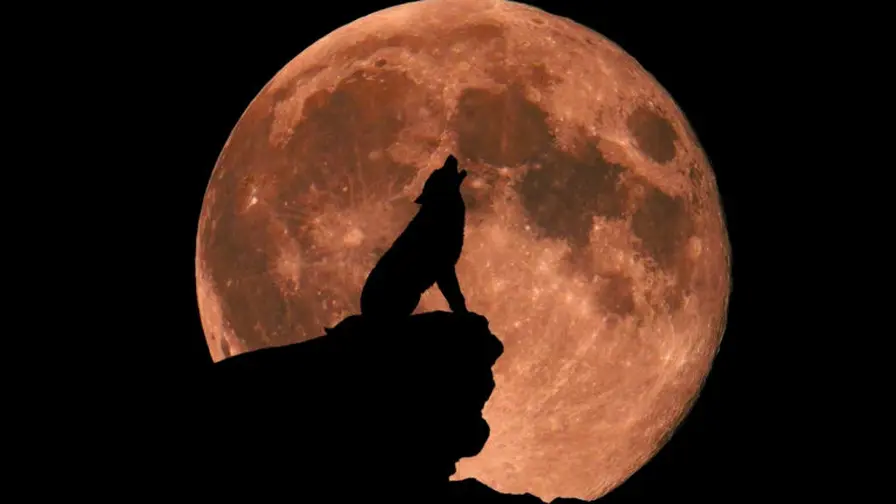
Read MoreNora Schmidt2025-10-273Does the Full Moon Really Disrupt Sleep? The Science ExplainedResearch shows the full Moon can modestly shorten sleep and delay sleep onset by altering evening light cues, but its effects on mental health are inconsistent. Learn what studies say and practical tips to protect sleep.
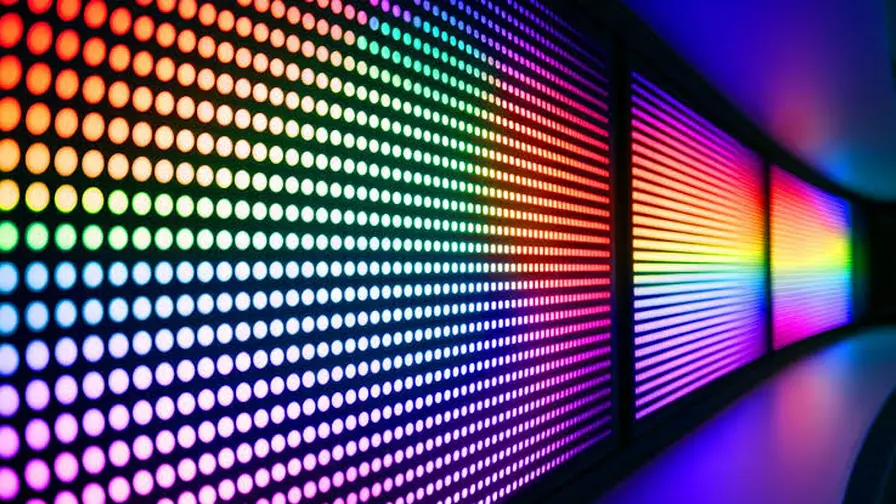
Read MoreOliver Hayes2025-10-262World’s Tiniest Light Pixel Could Shrink Smart GlassesResearchers at Julius-Maximilians-Universität Würzburg have built a 300×300 nm light-emitting nanopixel using an optical antenna and insulating aperture, a step toward ultra-compact OLED displays for smart glasses and wearables.
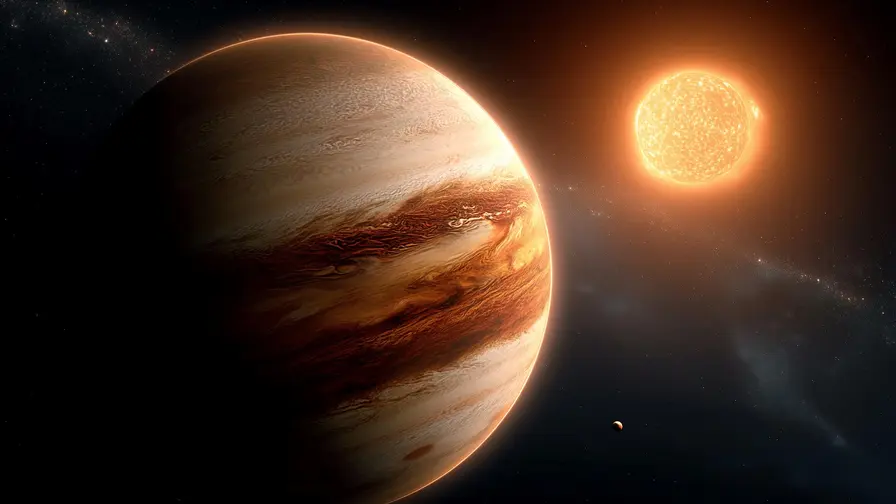
Read MoreNora Schmidt2025-10-262Three Earth-Size Worlds Orbit Both Stars in TOI-2267Three Earth-sized planets have been discovered in the binary star system TOI-2267. Two transit one star while the third orbits the companion—challenging theories of planet formation in multi-star systems.
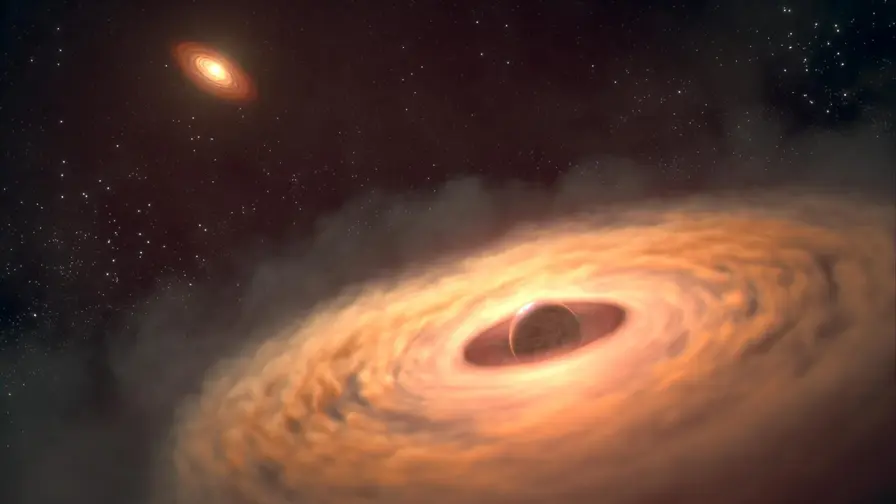
Read MoreOliver Hayes2025-10-253Webb Detects Carbon-Rich Moon Factory Around CT Cha bJames Webb has identified a carbon-rich circumplanetary disk around CT Cha b, revealing molecules that could seed moon formation. This discovery offers new clues about how moons form and the chemistry of young planetary systems.
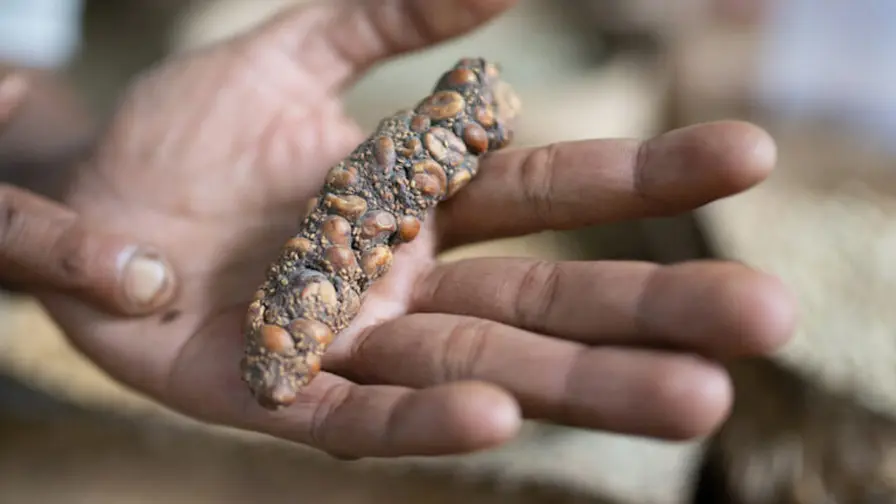
Read MoreOliver Hayes2025-10-242Kopi Luwak Unpacked: The Chemistry Behind Poop CoffeeResearchers at Central University of Kerala analyzed kopi luwak and found civet digestion increases specific esters and fats in beans, altering aroma and flavor. The study raises questions about authenticity, welfare, and sustainable production.
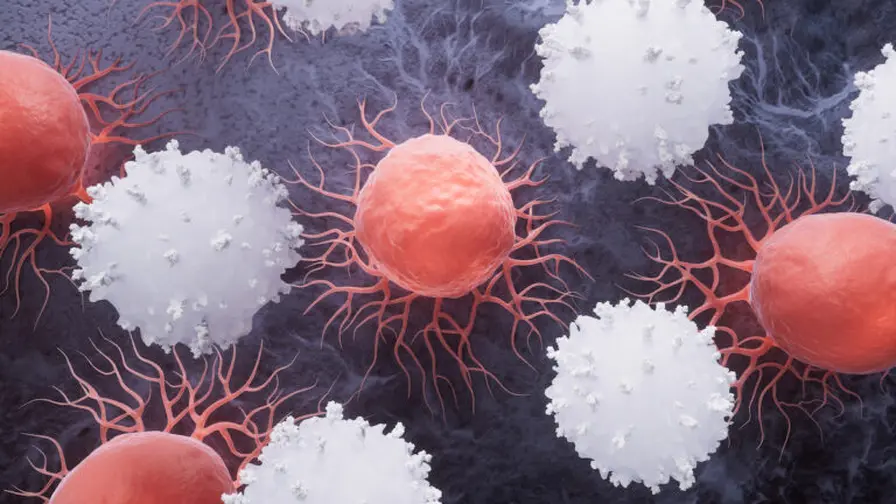
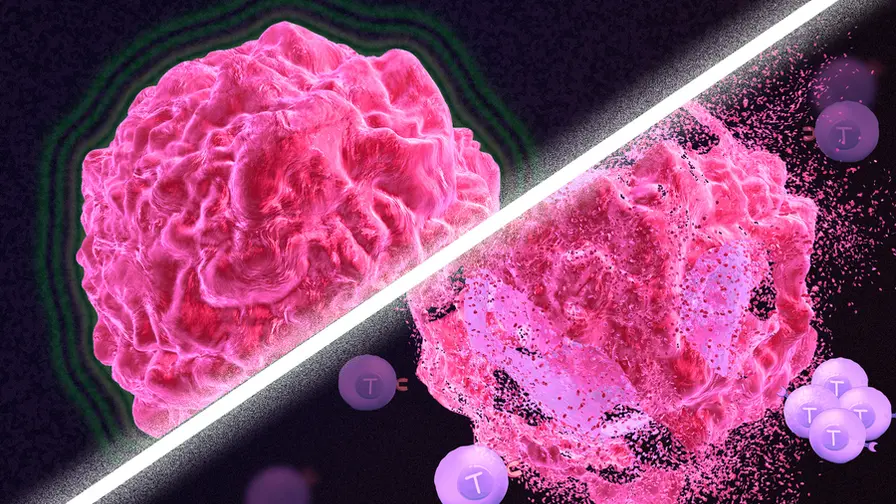
Read MoreOliver Hayes2025-10-232COVID mRNA Vaccines May Boost Immunotherapy SuccessNew analysis and lab research indicate COVID-19 mRNA vaccines may enhance the effectiveness of immune checkpoint inhibitors, potentially converting immunologically "cold" tumors into "hot" ones and improving survival in cancer patients.
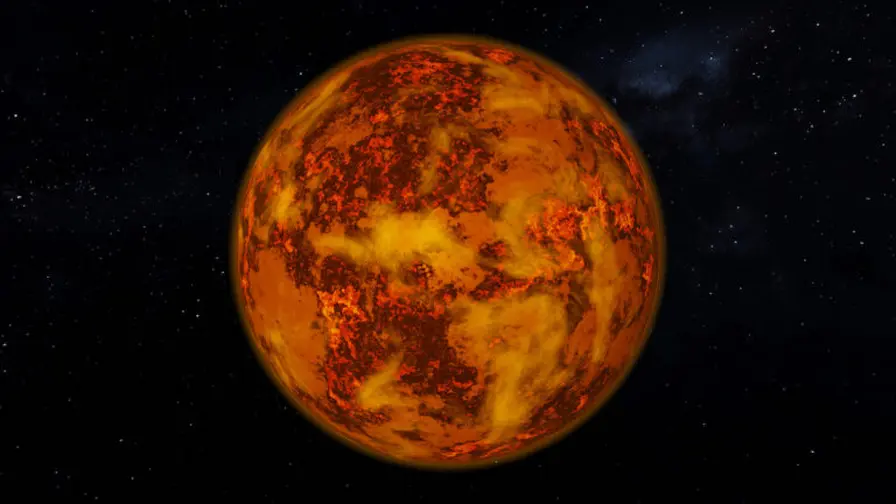
Read MoreNora Schmidt2025-10-222Remnants of Proto-Earth Found Deep in Earth's MantleResearchers have identified potassium isotope traces in ancient mantle rocks that match a 'proto-Earth' signature, offering rare direct evidence of Earth's composition before the Moon-forming impact and hinting at missing meteorite types.
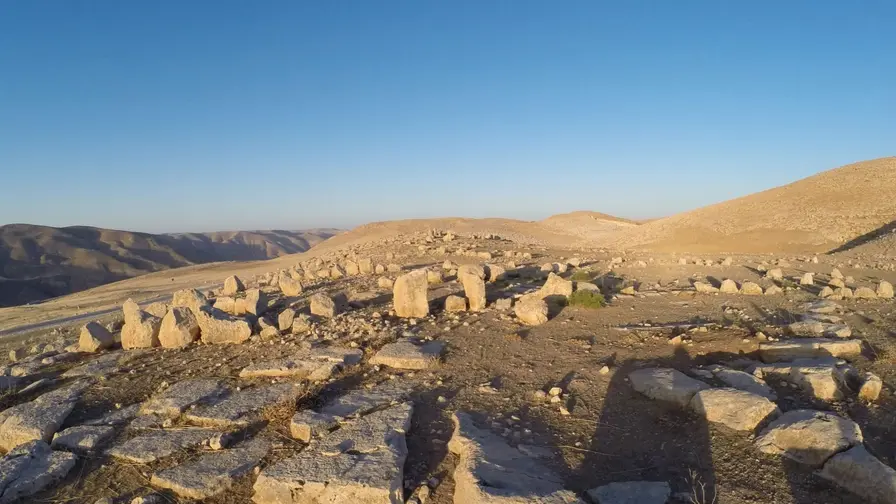
Read MoreNora Schmidt2025-10-225,500-Year-Old Ritual Landscape Discovered at MurayghatArchaeologists uncovered a 5,500-year-old Early Bronze Age ritual landscape at Murayghat in Jordan, where dolmens, standing stones, and communal artifacts reveal how ancient communities adapted to social and environmental change.
Read MoreNora Schmidt2025-10-204Supercharged Vitamin K: New Analogues May Reverse AlzheimerResearchers created hybrid vitamin K–retinoic acid compounds that boost neuronal differentiation threefold, bind mGluR1, cross the blood-brain barrier and raise active MK-4 in the brain — a promising lead for Alzheimer’s therapies.
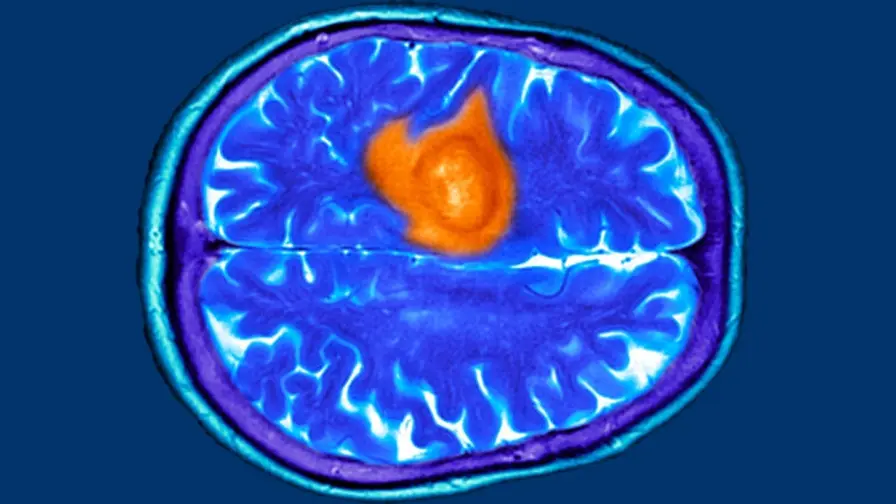
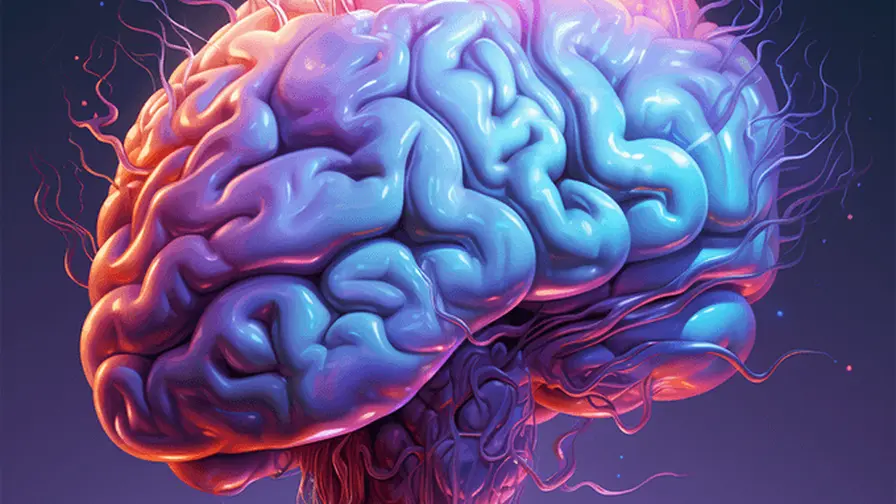
Read MoreNora Schmidt2025-10-203Seven Subtle Warning Signs of Brain Tumours to Watch ForSubtle changes—like word-finding difficulty, lasting brain fog, one-sided numbness or odd visual distortions—can sometimes signal a brain tumour. Learn which seven warning signs patients often miss and when to seek urgent assessment.
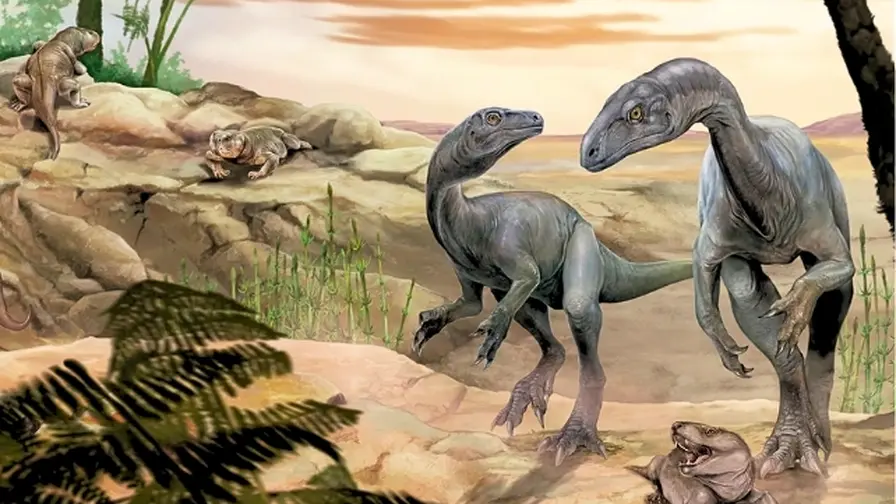
Read MoreNora Schmidt2025-10-19Argentina's Ancient Dinosaur: Huayracursor UnearthedArgentinian scientists uncovered an almost complete Huayracursor jaguensis skeleton at 3,000 m in La Rioja. Dating to 230–225 million years ago, this Triassic find sheds new light on early dinosaur evolution.
Read MoreNora Schmidt2025-10-18Why Identical Twins Can Have Large IQ Differences, ReallyA fresh reanalysis shows identical twins raised apart can exhibit large IQ gaps tied to differences in schooling, suggesting education plays a stronger role in measured intelligence than previously thought.
Read MoreOliver Hayes2025-10-17Taming Free Electrons: Quantum Crystals for TomorrowAuburn researchers propose surface-immobilized electrides—materials that control free electrons on solid surfaces—to enable tunable quantum bits and powerful catalysts, bridging theory and device-ready design.
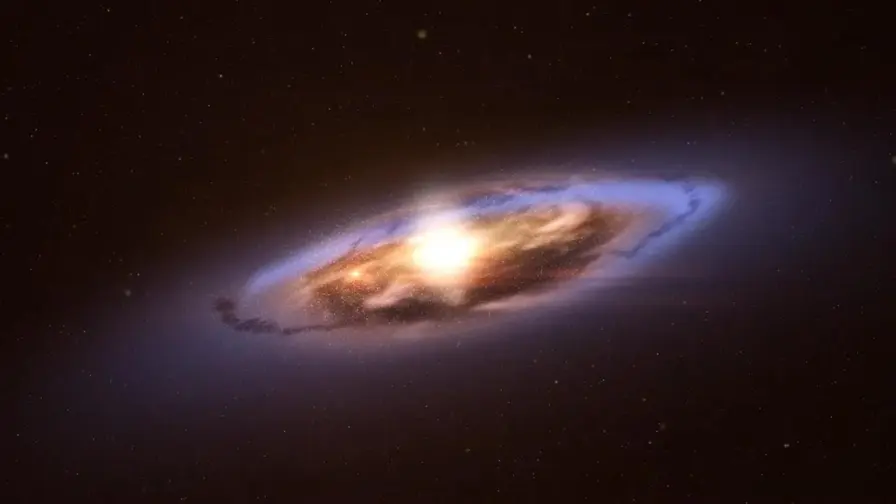
Read MoreOliver Hayes2025-10-16Milky Way's Giant Ripple: Gaia Reveals a Galactic WaveGaia data reveal a vast wave sweeping across the Milky Way’s disc, displacing stars tens of thousands of light-years. New maps trace the ripple’s structure, motions, possible origins and what upcoming Gaia releases may reveal.
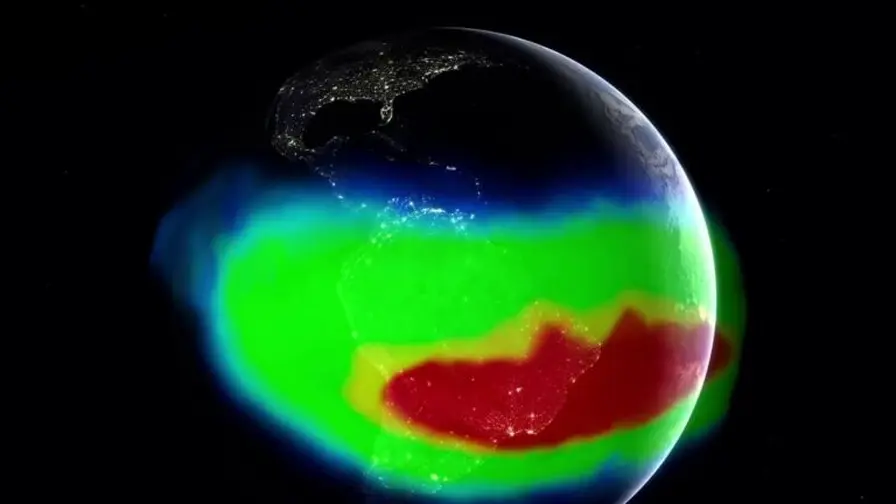
Read MoreNora Schmidt2025-10-15South Atlantic Anomaly Is Growing — What Scientists SeeSatellites show the South Atlantic Anomaly has expanded and weakened since 2014. New Swarm data reveal complex flux changes linked to deep-Earth dynamics and implications for satellites, navigation and radiation.
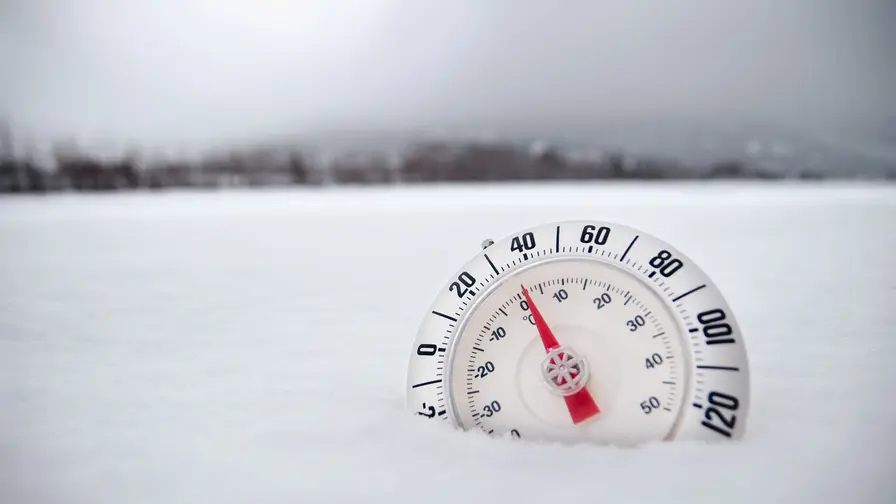
Read MoreNora Schmidt2025-10-14Why Absolute Zero Is Unreachable: The Physics ExplainedWhy absolute zero (0 K) is fundamentally unreachable: the third law of thermodynamics, how researchers cool matter to micro- and nanokelvin, and what physicists mean by negative temperatures.
Read MoreNora Schmidt2025-10-14How Losing Shapes the Brain and Alters Social RankOkinawa researchers show that losing social contests rewires decision-making circuits in the mouse brain. The study links cholinergic interneurons in the posterior striatum to the ‘loser effect,’ with implications for social behavior and resilience.
Read MoreOliver Hayes2025-10-14Brain Shape Changes May Predict Future Dementia RiskNew UC Irvine and University of La Laguna research shows that specific 3D changes in brain shape, not just volume loss, correlate with cognitive decline and may help predict dementia risk, highlighting the entorhinal cortex's vulnerability.
Read MoreNora Schmidt2025-10-13LED-Activated Tin Nanoflakes Kill Skin Cancer CellsResearchers at UT Austin and the University of Porto report an LED-activated photothermal therapy using SnOx nanoflakes that killed up to 92% of skin cancer cells in vitro while sparing healthy skin cells.
Read MoreNora Schmidt2025-10-124Why Female Mammals Often Live Longer: Evolutionary RootsA comparative study of 1,176 bird and mammal species links sex-chromosome architecture and mating systems to sex-specific lifespan differences, showing females often outlive males in mammals.