Read MoreOliver Hayes2025-12-193Polar Bears' DNA Is Shifting as Arctic Temperatures RiseNew genomic analyses link warmer, more variable conditions in south-east Greenland to increased activity of transposable elements and altered gene expression in polar bears, suggesting potential adaptive responses amid Arctic warming.
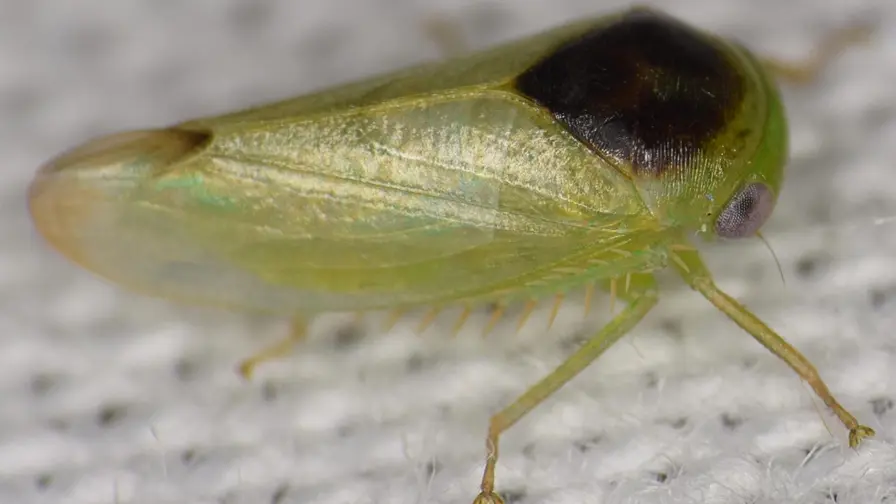
Read MoreNora Schmidt2025-12-162Frog-like Leafhoppers: Seven New Species Found in UgandaAn Anglia Ruskin University entomologist discovered seven new frog-shaped leafhopper species in Uganda's Kibale National Park, using light traps and detailed genital morphology to distinguish cryptic species.
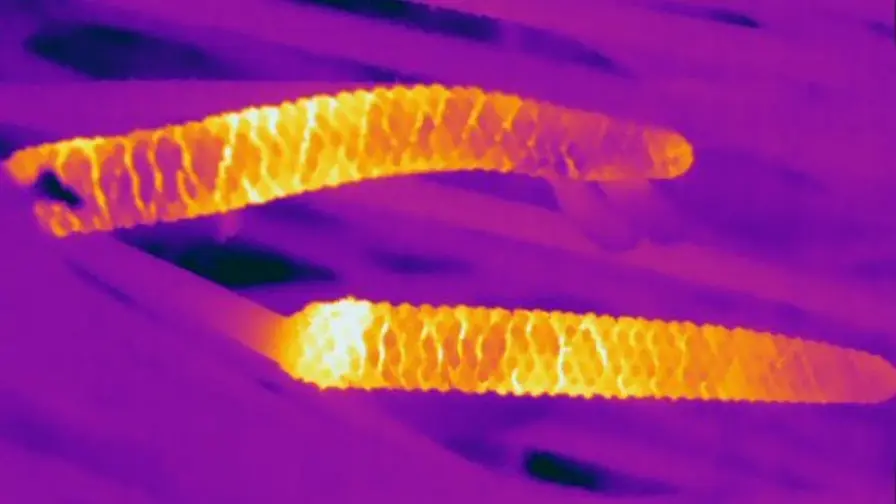
Read MoreNora Schmidt2025-12-162Ancient Cycads Use Heat to Attract Beetle PollinatorsCycads use circadian heat pulses to guide beetle pollinators, a primordial pollination strategy. New research links plant AOX1 thermogenesis and beetle TRPA1 infrared sensing, with implications for evolution and conservation.
Read MoreNora Schmidt2025-12-1422025: Global Temperatures Soar — Storms, Ice and Emissions2025 emerged as the second-warmest year on record: emissions hit new highs while La Niña failed to cool global temperatures. The year brought deadly heatwaves, damaging storms, and record ice loss, raising the odds of crossing critical climate thresholds.
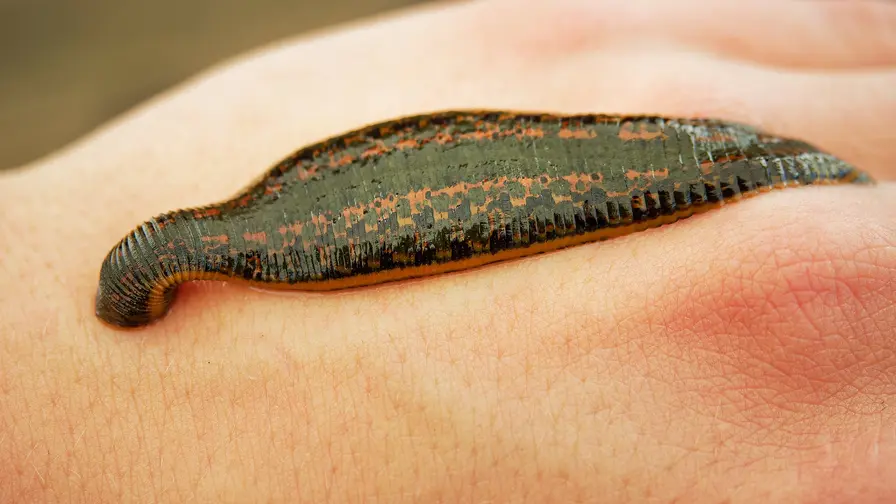
Read MoreOliver Hayes2025-12-122430-Million-Year-Old Leech Rewrites Evolutionary HistoryA 430-million-year-old fossil from Wisconsin reveals that ancient leeches were marine hunters, not bloodsuckers, pushing leech origins back by over 200 million years and reshaping evolutionary timelines.
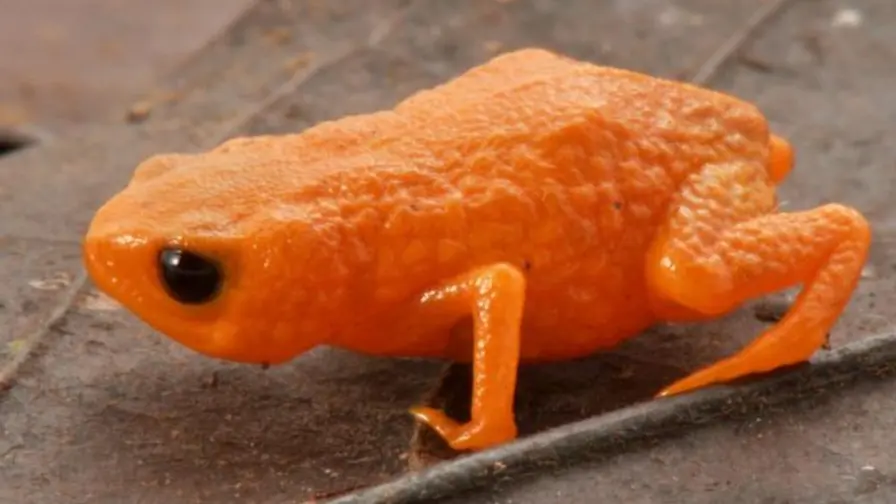
Read MoreNora Schmidt2025-12-122Tiny Pumpkin Toadlet Discovered in Brazil's Cloud ForestsA newly described, vivid orange pumpkin toadlet, Brachycephalus lulai, has been discovered in the Serra do Quiriri cloud forests of southern Brazil. The find highlights conservation needs for endemic montane amphibians.
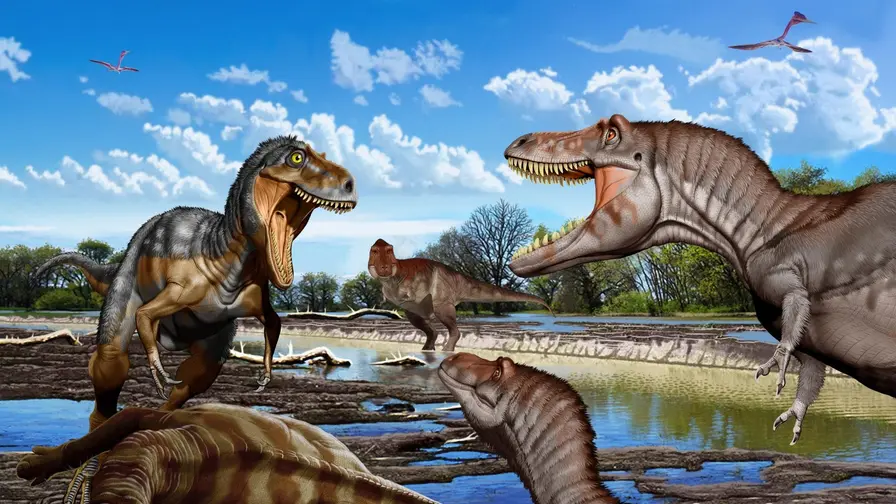
Read MoreOliver Hayes2025-12-113Nanotyrannus Confirmed as Distinct, Fully Grown PredatorMicroscopic analysis of a throat bone shows the Nanotyrannus holotype was nearly mature, supporting its status as a distinct, smaller tyrannosaur and reshaping views of Late Cretaceous predator diversity.
Read MoreOliver Hayes2025-12-113Which Event Produced the Loudest Sound in History?A detailed look at the loudest sounds on record—from Krakatoa and Tunguska to the modern Hunga Tonga eruption—explaining how scientists measure extreme pressure waves, what decibel numbers mean, and why definitions matter.
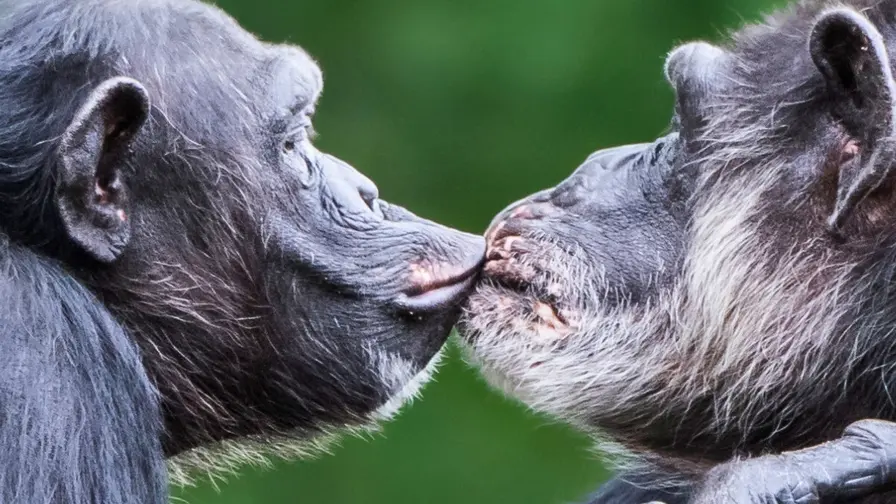
Read MoreNora Schmidt2025-11-20Kissing Is Ancient: Ape Ancestors and Neanderthals KissedOxford researchers trace kissing back 17–21 million years, finding evidence that ape ancestors and likely Neanderthals engaged in mouth-to-mouth contact. Study links behaviour to social bonding and microbiome exchange.
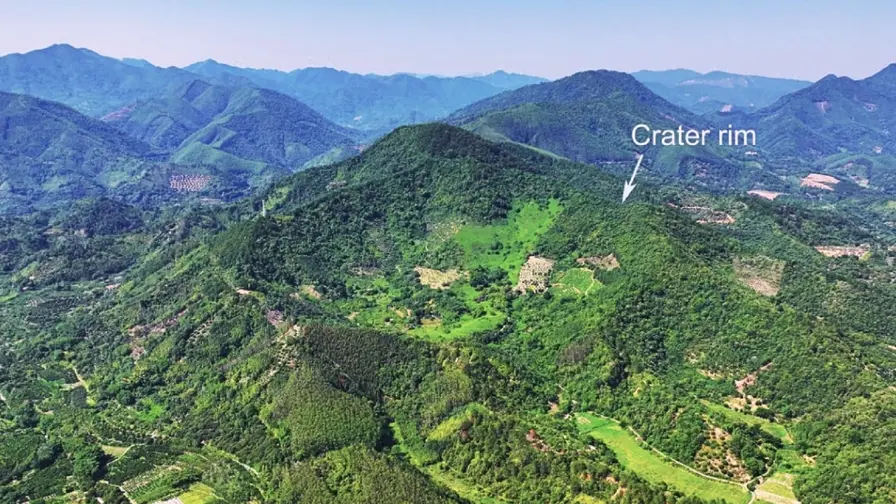
Read MoreNora Schmidt2025-11-182Hidden Giant: A Massive Holocene Meteor Crater in ChinaScientists have identified the Jinlin crater in Guangdong, China: an 820–900 m wide, 90 m deep Holocene impact structure preserved in weathered granite, reshaping estimates of recent meteor strikes.
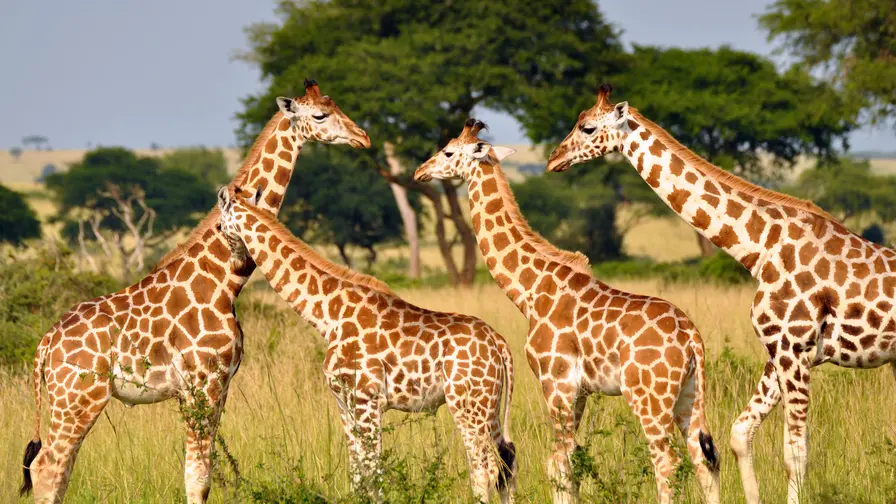
Read MoreNora Schmidt2025-11-102Why Giraffes Evolved Long Legs and Thin Necks for SurvivalNew research shows giraffes evolved long legs before extreme necks. By raising the heart toward the head, long limbs cut the energetic cost of pumping blood, saving food and improving survival on the savannah.
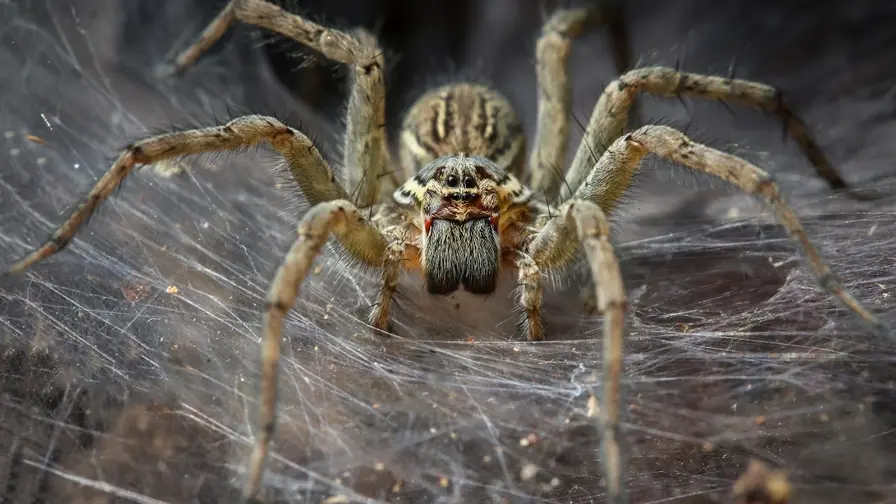
Read MoreOliver Hayes2025-11-082World's Largest Spider Web Found in Sulfur Cave, EuropeScientists uncovered a possible world-record spider web inside Sulfur Cave (Greece–Albania): a 100+ m² communal sheet housing ~111,000 spiders. Genetic and isotope analyses reveal a self-contained, sulfur-driven food web.
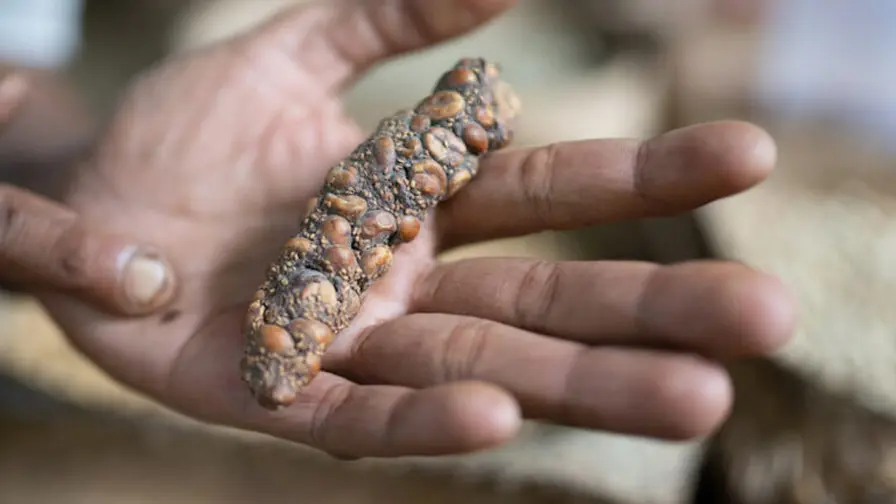
Read MoreOliver Hayes2025-10-242Kopi Luwak Unpacked: The Chemistry Behind Poop CoffeeResearchers at Central University of Kerala analyzed kopi luwak and found civet digestion increases specific esters and fats in beans, altering aroma and flavor. The study raises questions about authenticity, welfare, and sustainable production.
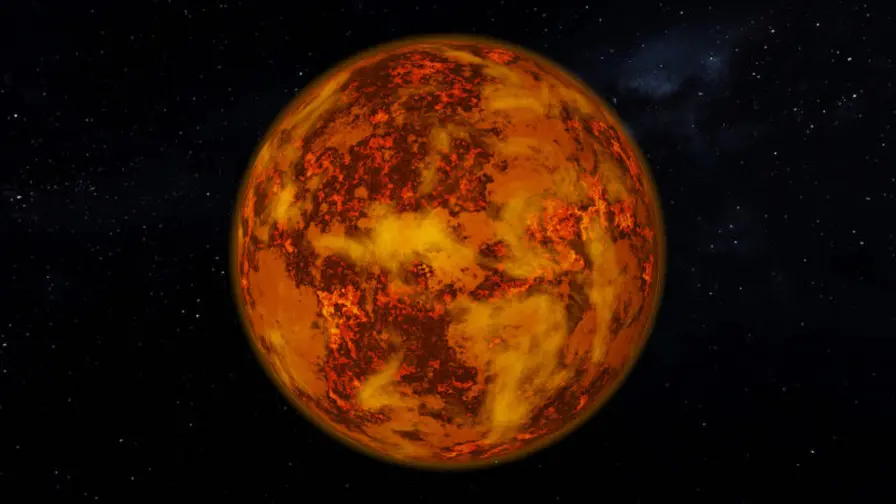
Read MoreNora Schmidt2025-10-222Remnants of Proto-Earth Found Deep in Earth's MantleResearchers have identified potassium isotope traces in ancient mantle rocks that match a 'proto-Earth' signature, offering rare direct evidence of Earth's composition before the Moon-forming impact and hinting at missing meteorite types.
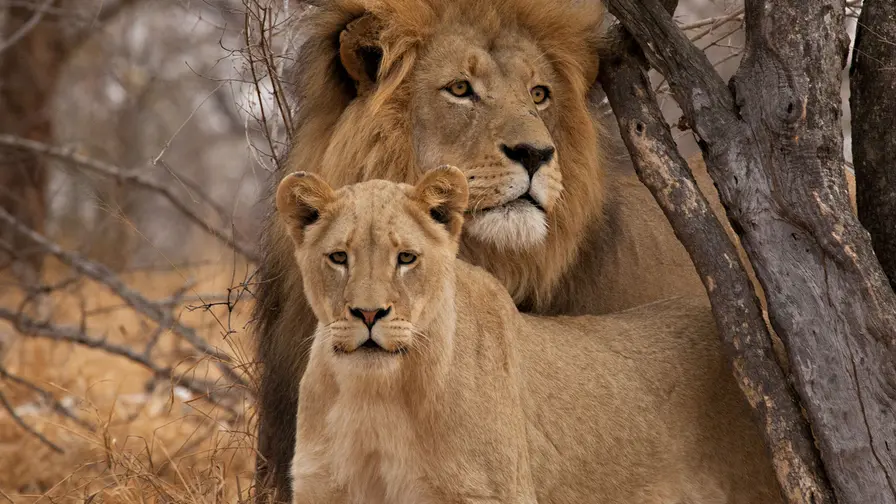
Read MoreNora Schmidt2025-10-124Why Female Mammals Often Live Longer: Evolutionary RootsA comparative study of 1,176 bird and mammal species links sex-chromosome architecture and mating systems to sex-specific lifespan differences, showing females often outlive males in mammals.