
The European Union's proposed restrictions on hybrid imports could open a path for extended-range electric vehicles while leaving existing duties on battery-electric vehicles in place, Nikkei reports. Within the first days of the policy debate it became clear that regulatory classification, not powertrain intent, will determine which cars fall under the new hybrid limits.
Under the European Commission's current customs treatment, set out in Regulation 2024/2754, extended-range electric vehicles are treated as battery-electric vehicles and assigned customs code 8703 80 10. That classification excludes EREVs from the customs codes that identify hybrids and plug-in hybrids, meaning they would not be counted against any proposed annual import ceiling for hybrids.
The distinction matters because EREVs operate differently from plug-in hybrids. PHEVs can provide mechanical drive via their internal-combustion engines. EREVs use an internal-combustion engine solely to generate electricity for the batteries and the electric drive system; propulsion is provided exclusively by the electric motor or motors even at low state of charge. In customs terms, an engine that only generates electricity does not change the vehicle's BEV classification.
Classification helps bypass quotas but not tariffs
That technicality will not remove another, more immediate barrier. Nikkei notes that many Chinese-made battery-electric vehicles are already subject to EU countervailing duties of up to 35.3 percent depending on the maker, on top of the bloc's 10 percent import duty. Those levies would still apply to qualifying EREVs imported from the People's Republic of China, leaving manufacturers to choose between paying higher import costs or accepting lower margins.
Analysts cited by Nikkei say pricing and profitability will remain a constraint. Some Chinese automakers may pass part of the added cost on to buyers, reducing competitiveness in Europe. Others might accept tighter margins in exchange for establishing a foothold in the market.
Leapmotor offers a European-minded example
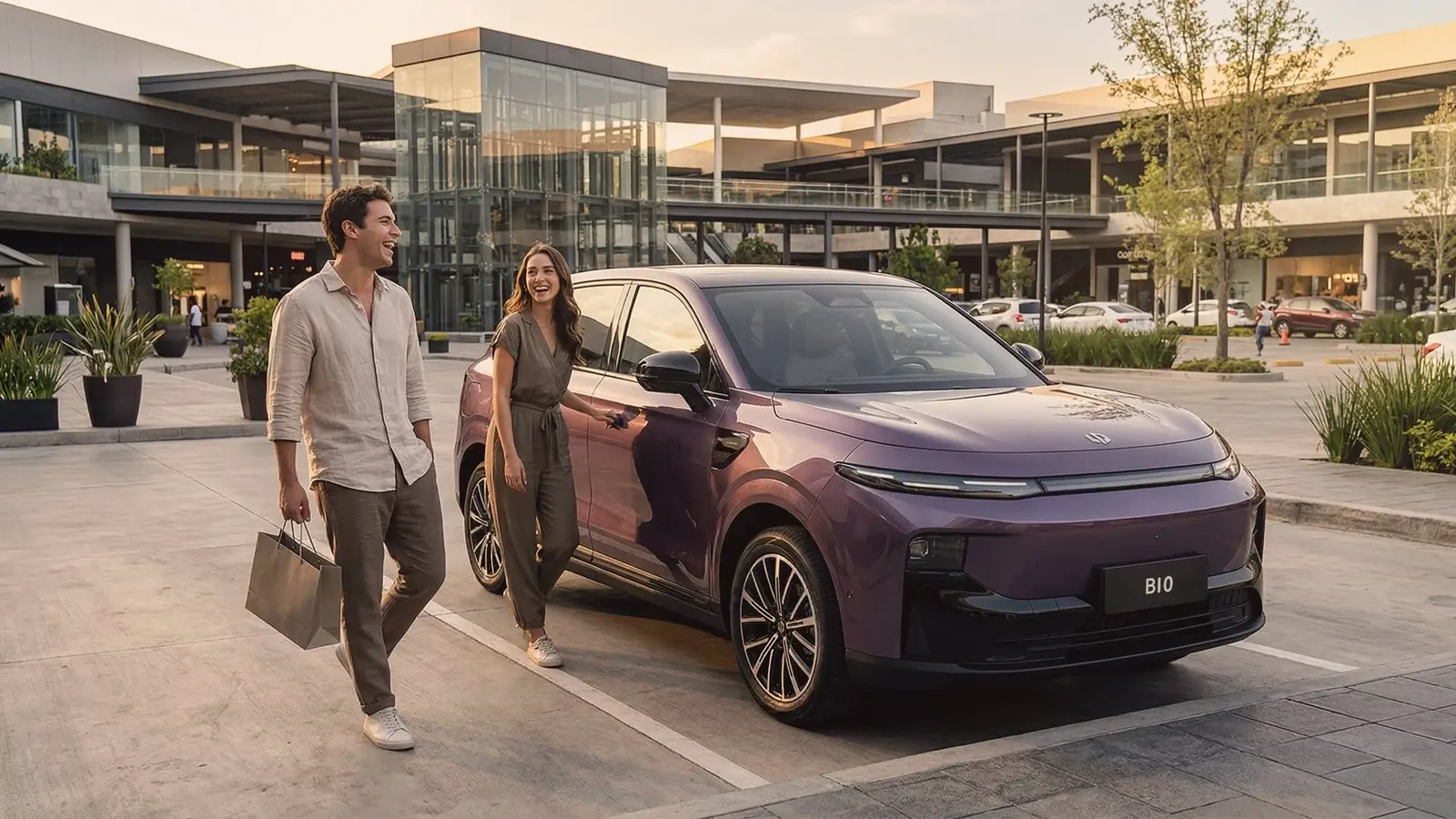
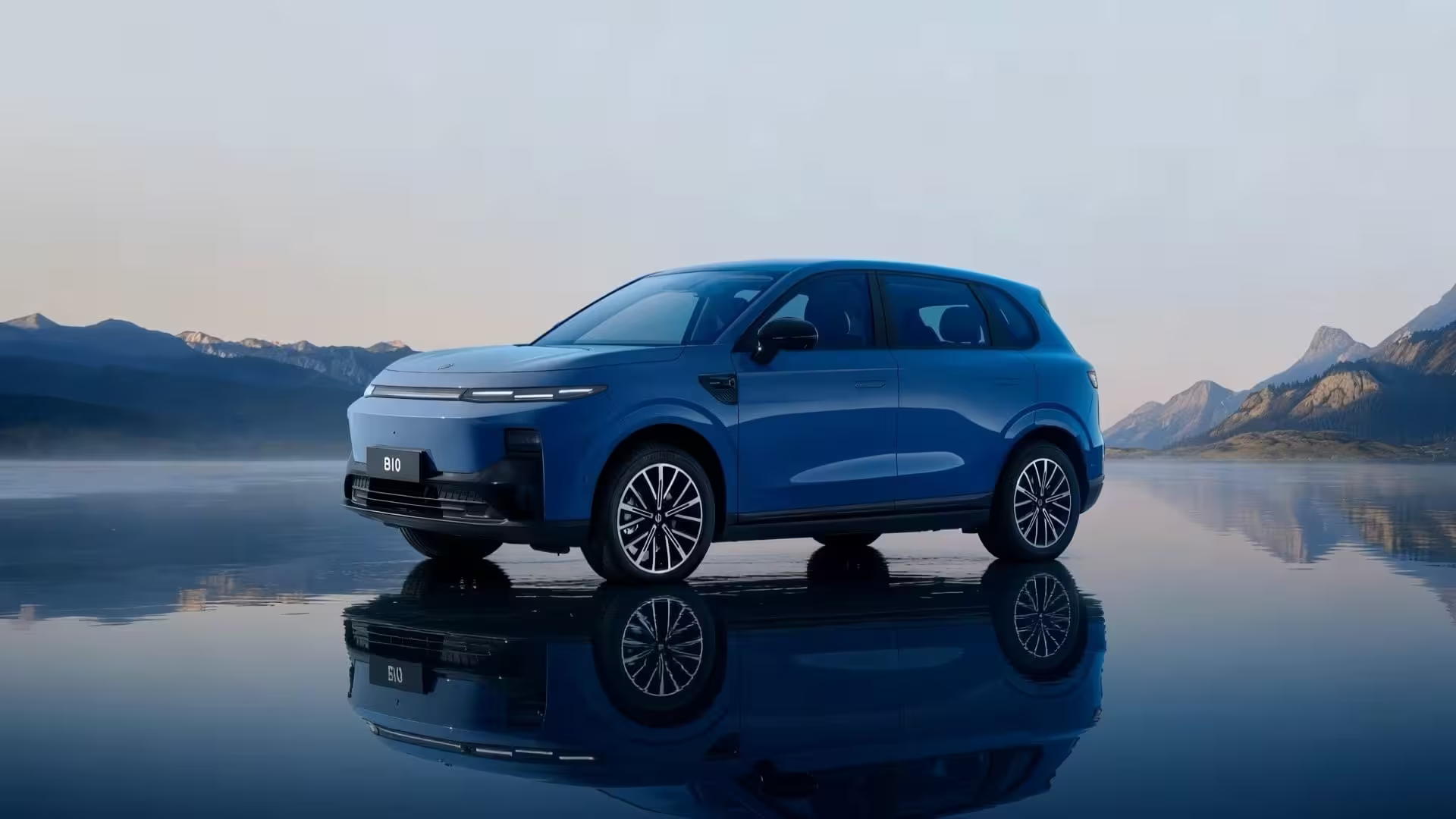
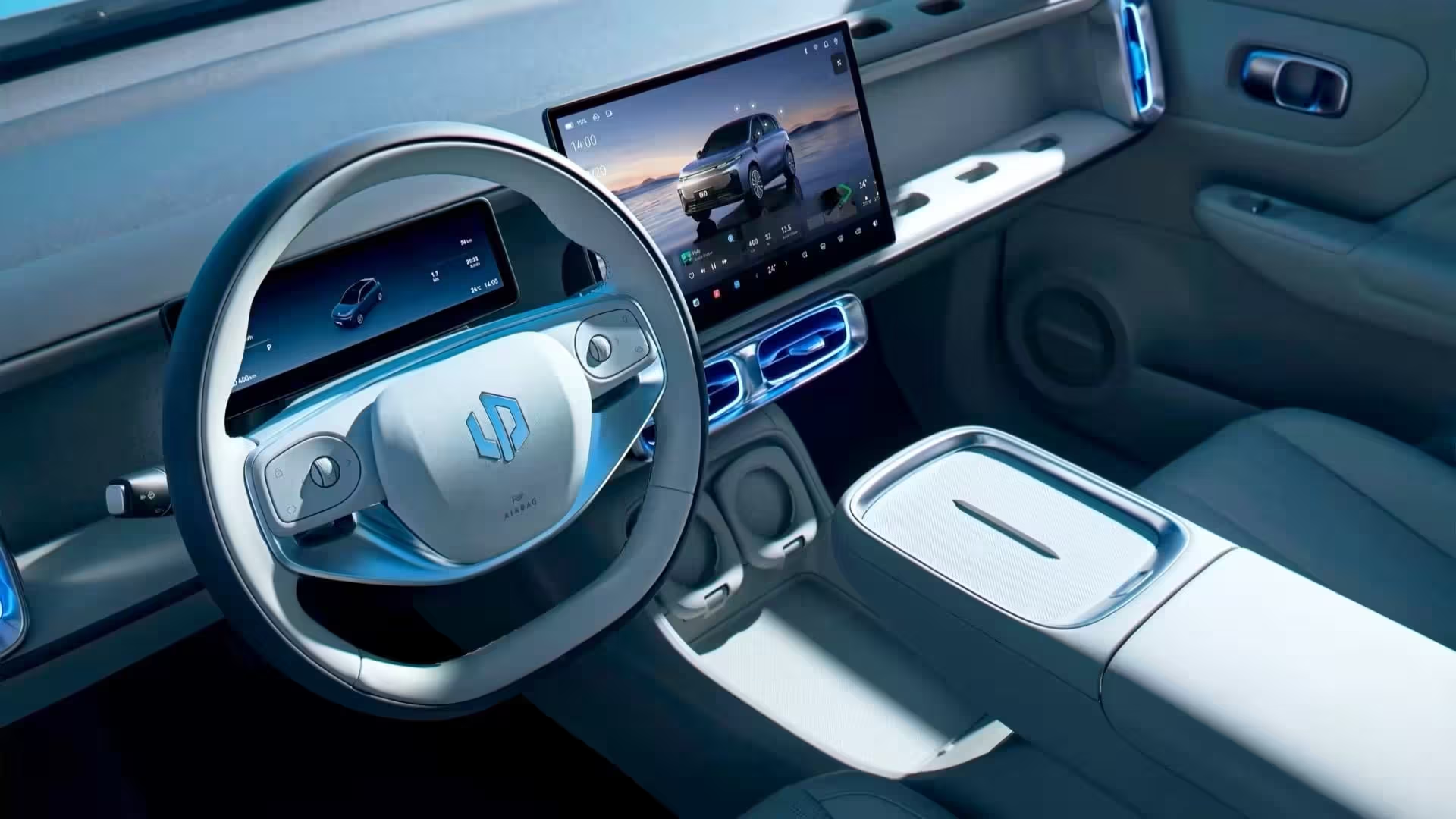
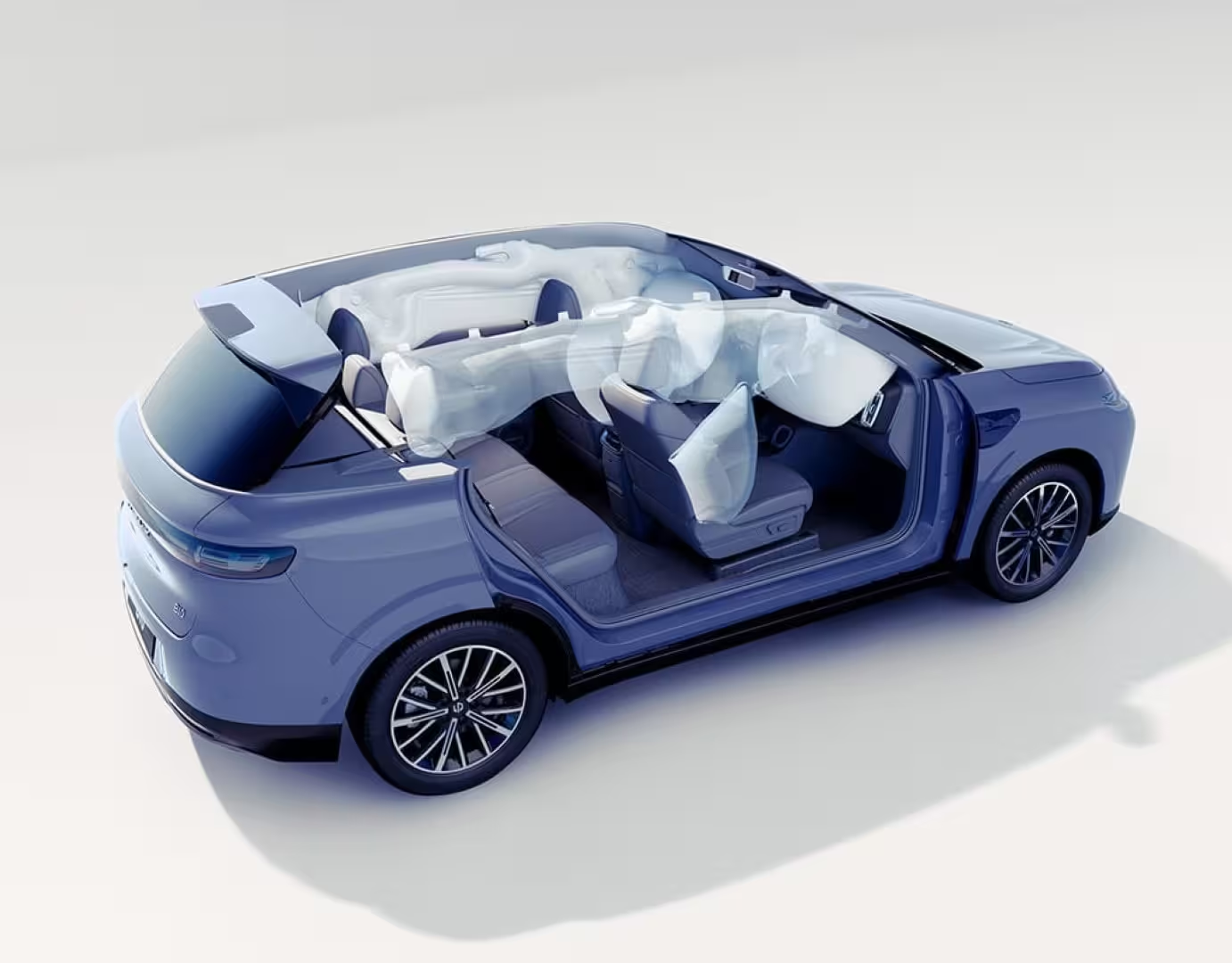
One concrete case is Leapmotor's Euro-market B10 crossover, built at the Stellantis plant in Zaragoza, Spain, which offers an EREV option marketed in Spain as the REEV Hybrid. Leapmotor specifies a rear-mounted electric motor rated at 160 kW (215 hp) and 240 Nm (177 lb-ft) of torque, paired with a front 1.5-liter naturally aspirated inline-four that powers an onboard generator rated at 50 kW (67 hp) by the company. The model uses an 18.8 kWh lithium-iron-phosphate battery and Leapmotor Espana advertises up to 86 kilometers (53 miles) of electric driving range. In the WLTP cycle the combined range is estimated at 900 kilometers (559 miles) with a full charge and a full tank of petrol.
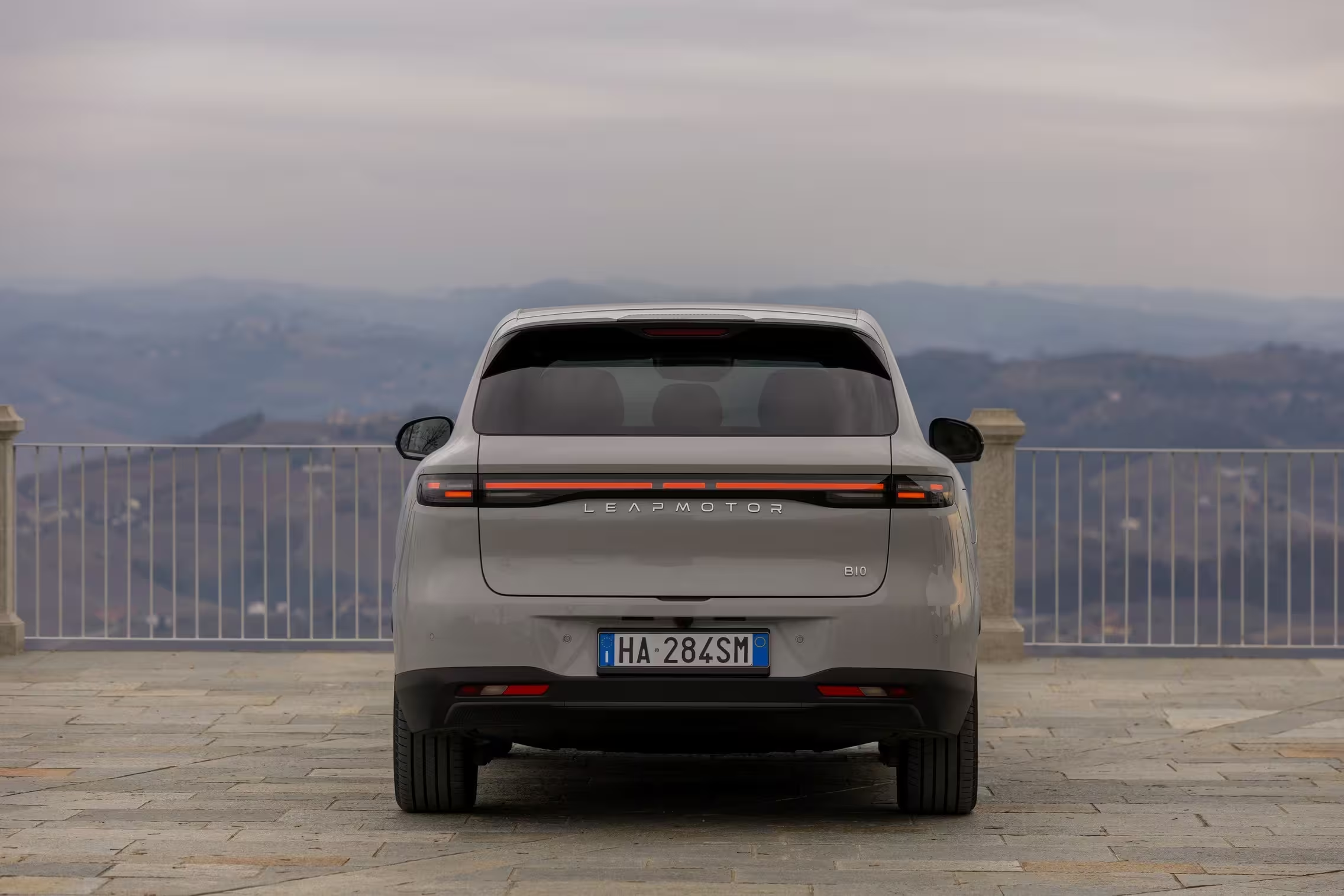
EREVs may escape proposed hybrid import ceilings while remaining liable for the EU's BEV anti-subsidy and import duties.
Importantly, the countervailing duties and the 10 percent import tariff would continue to apply to qualifying EREVs imported from the People's Republic of China, even as customs code 8703 80 10 keeps them outside the hybrid categories covered by the proposed import limits.



“Cars are evolving faster than ever. I cover electric vehicles, smart mobility, and the future of transportation worldwide.”
Discussion
Leave a Comment
Comments
No comments yet. Be the first.