

Geely plans to localize a new electric vehicle architecture at Ford's Valencia plant in Spain, with production expected to begin in 2028, Michael Yang, managing director of Geely Auto UK, told Automotive News. Yang did not identify the platform or which models will be built there, but the announcement signals a clear strategic shift toward European manufacturing to address trade barriers and market opportunities.

Localisation strategy and market context
The move comes amid European Union duties on China-built battery-electric vehicles and import quotas on hybrid models, pressures that have already pushed other Chinese automakers to produce in Europe. Leapmotor partnered with Stellantis to assemble its B10 crossover at Stellantis' Zaragoza plant in Spain. Because that facility handles stamping, welding, and painting and sources more than 40 percent local content, Leapmotor's Stellantis-built cars qualify as made in Europe and avoid import duties. BYD chose a different route, constructing a new plant in Szeged, Hungary, and is also reported to be planning the acquisition of Ineos Automotive's Hambach facility in France.

Per available information, Ford is expected to own 66 percent of a proposed joint venture with Geely. That arrangement would give Geely access to an established European assembly operation while helping Ford fill capacity and spread the cost of running a major production complex. The Valencia site has the potential to produce around 500,000 vehicles per year.

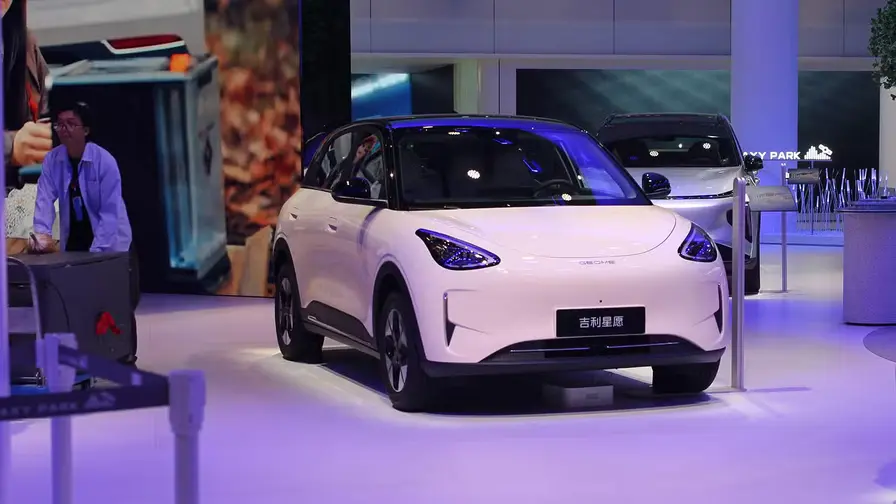
Geely's core European models are currently based on the Global Intelligent Electric Architecture, GEA, and its Evo upgrade. The GEA Evo is a plausible candidate for the Valencia line, though Yang did not confirm the platform. Geely has stated a goal of selling 16 models in the European Union by 2028 and intends to leverage Volvo's European manufacturing network, which Geely owns through a parent company relationship, to reach that target. Those planned additions include a city car, smaller crossovers, and larger utility vehicles up to a full-size model, with local production a consistent theme.
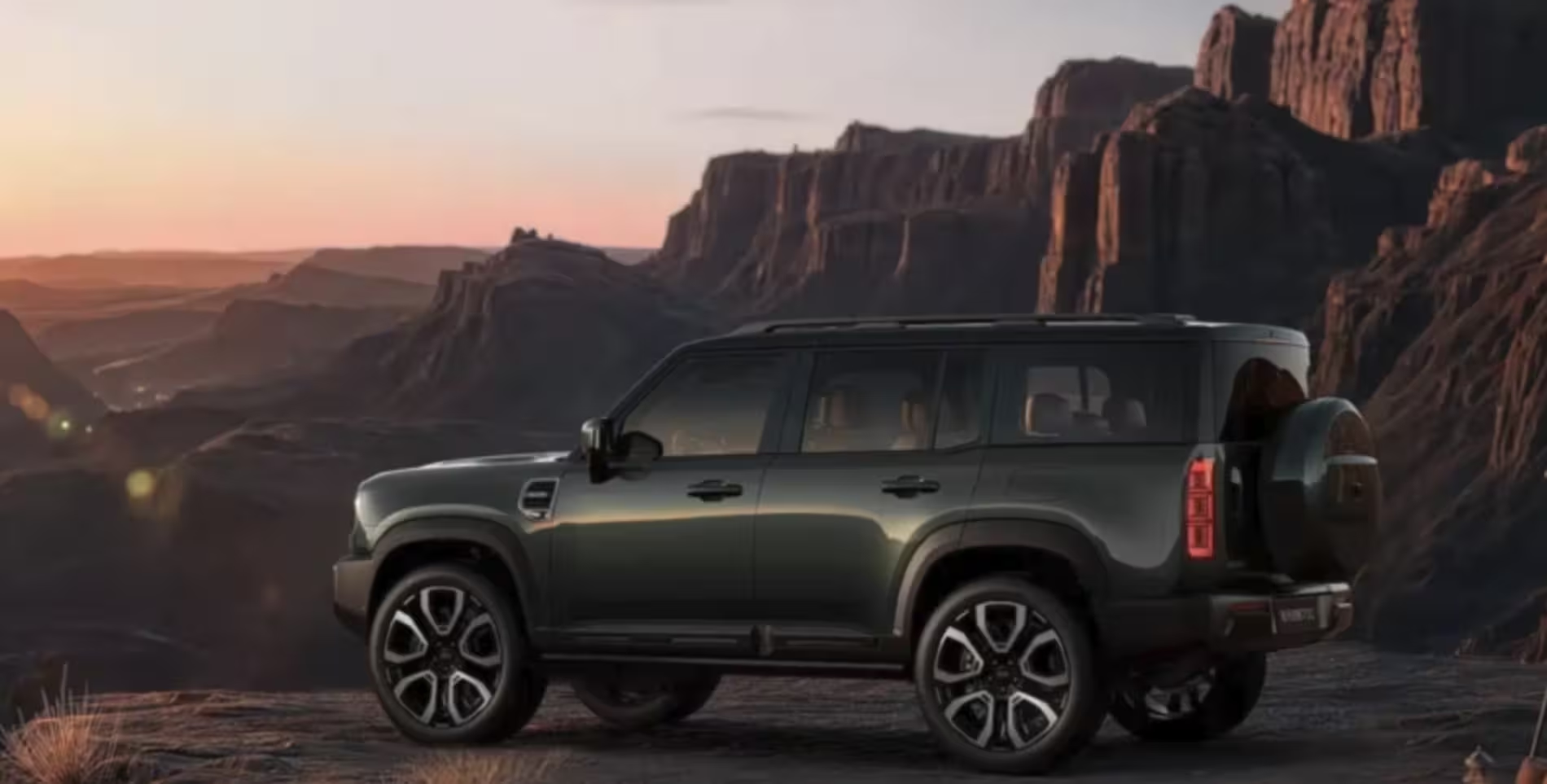
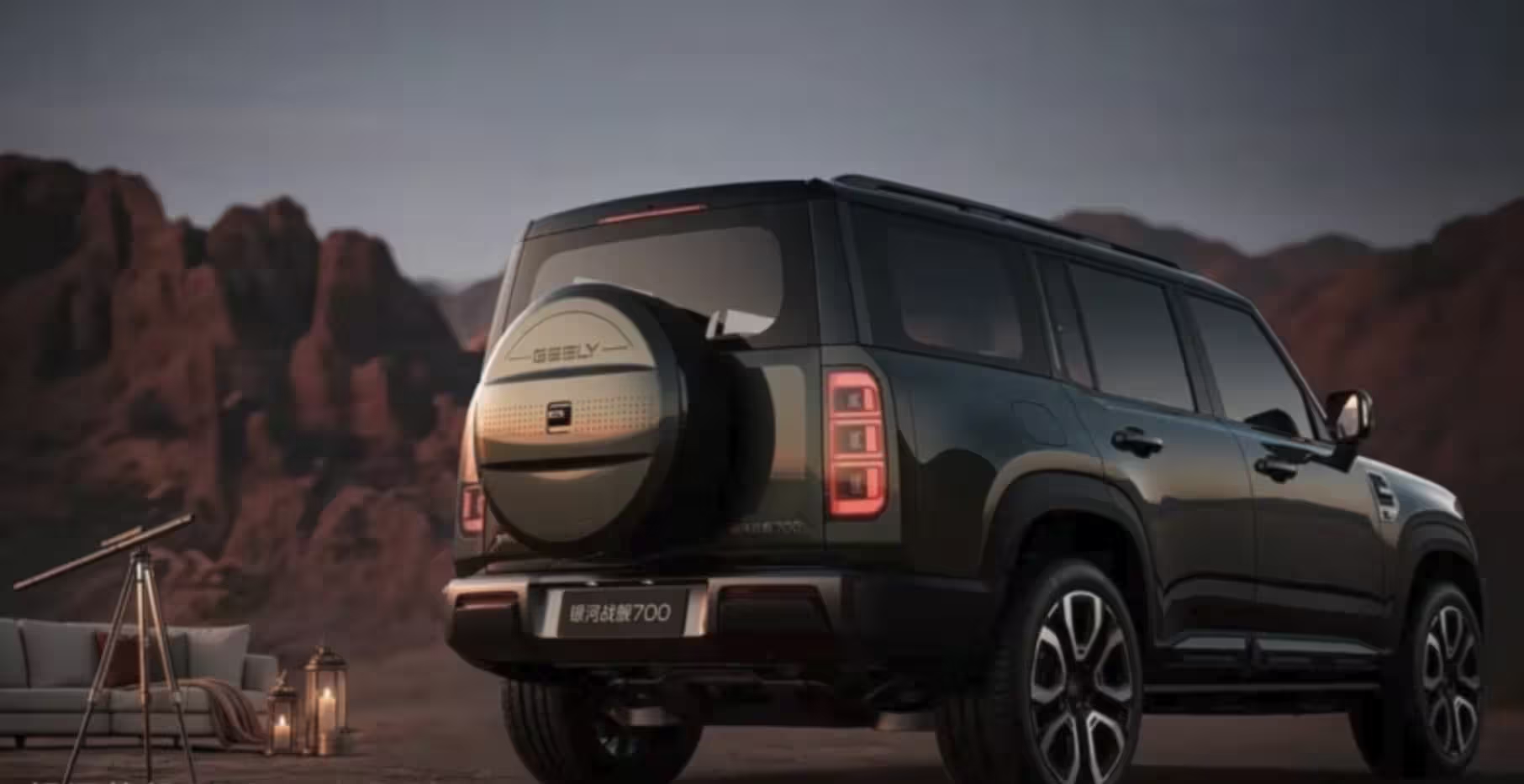
Observers and industry accounts note that China's domestic market is highly competitive and that European consumers continue to demand affordable models. Even after accounting for tariffs and quotas, Chinese automakers have been able to undercut many European rivals on price. Building vehicles locally reduces supply chain length, lets manufacturers use existing European industrial capacity, and places production closer to regional dealer networks. The source emphasizes that the arrangement aligns interests on both sides: Europe and its automakers need factories running and investment flowing, while Chinese manufacturers seek access to the market without facing trade restrictions.

“I cover automotive innovation, electric vehicles, and the future of mobility — where technology meets sustainability.”

Discussion
Leave a Comment
Comments
No comments yet. Be the first.