
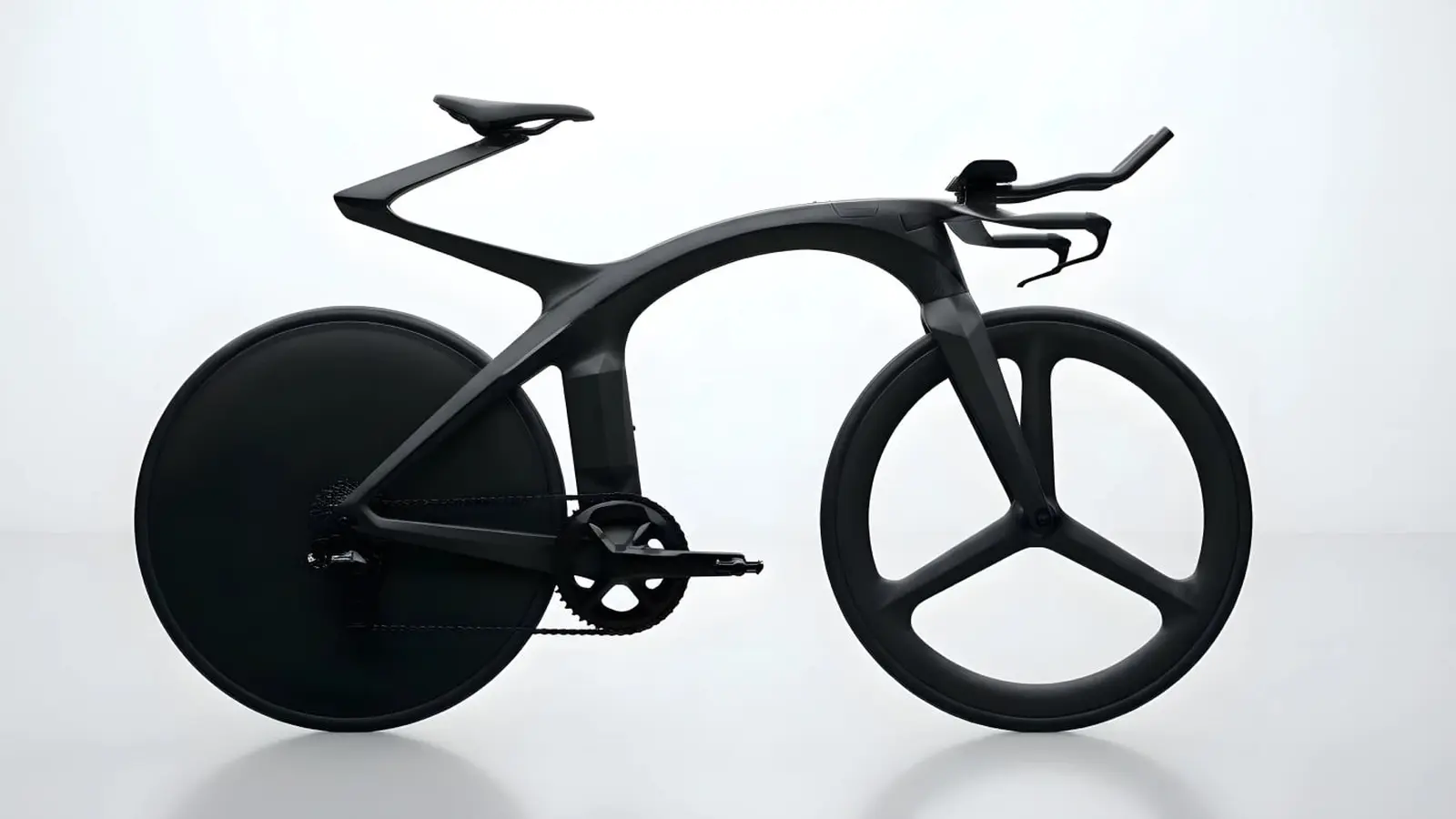
Designer Efe Burak Karakurt has published a carbon fiber bicycle concept called the Rapier that deliberately removes the conventional down tube and instead bulks up the top tube and seat tube to carry loads and control stiffness. The most striking element is a wishbone-like seatpost that physically separates the rider from the main frame, a deliberate attempt to suspend the rider and isolate them from road vibrations.
The Rapier’s silhouette is explicitly aerodynamic, with elongated fork legs that sweep air toward the rear, but the absence of a down tube creates a large cavity behind the fork where airflow can become unmanaged and turbulent. Karakurt says the design draws inspiration from a hawk in dive mode, with wings back, neck extended and tail used for fine adjustments, and he describes the concept as a carbon fiber execution of that poise.
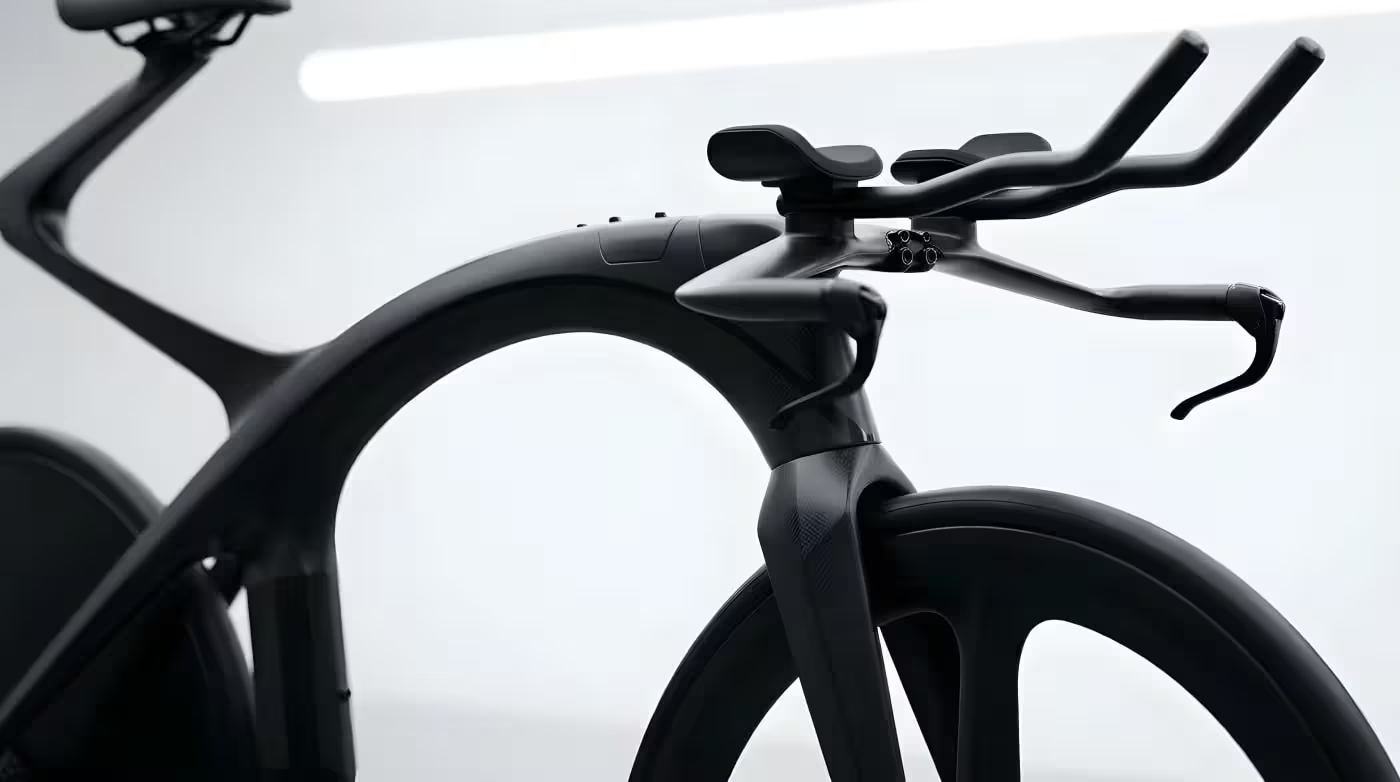
Removing the down tube shifts the structural work into the top tube and seat tube. On the Rapier those sections are pronounced; notably the seat tube does not directly connect to the seatpost. That separation is central to the concept’s stated goal: to decouple the rider from frame vibrations by placing them on a flexible perch that flexes independently of the primary structure.
The idea of suspending the rider is not new. The author reports testing an Orbea Diem and noting a roughly 30 percent reduction in rear-end vibration, and independent brands such as Urwahn have already explored missing-seat-tube frames and intentional decoupling for comfort and unique power characteristics. Karakurt’s Rapier leans into the same set of trade-offs: increased compliance for the rider versus the engineering challenge of preserving stiffness and reliable power transfer.
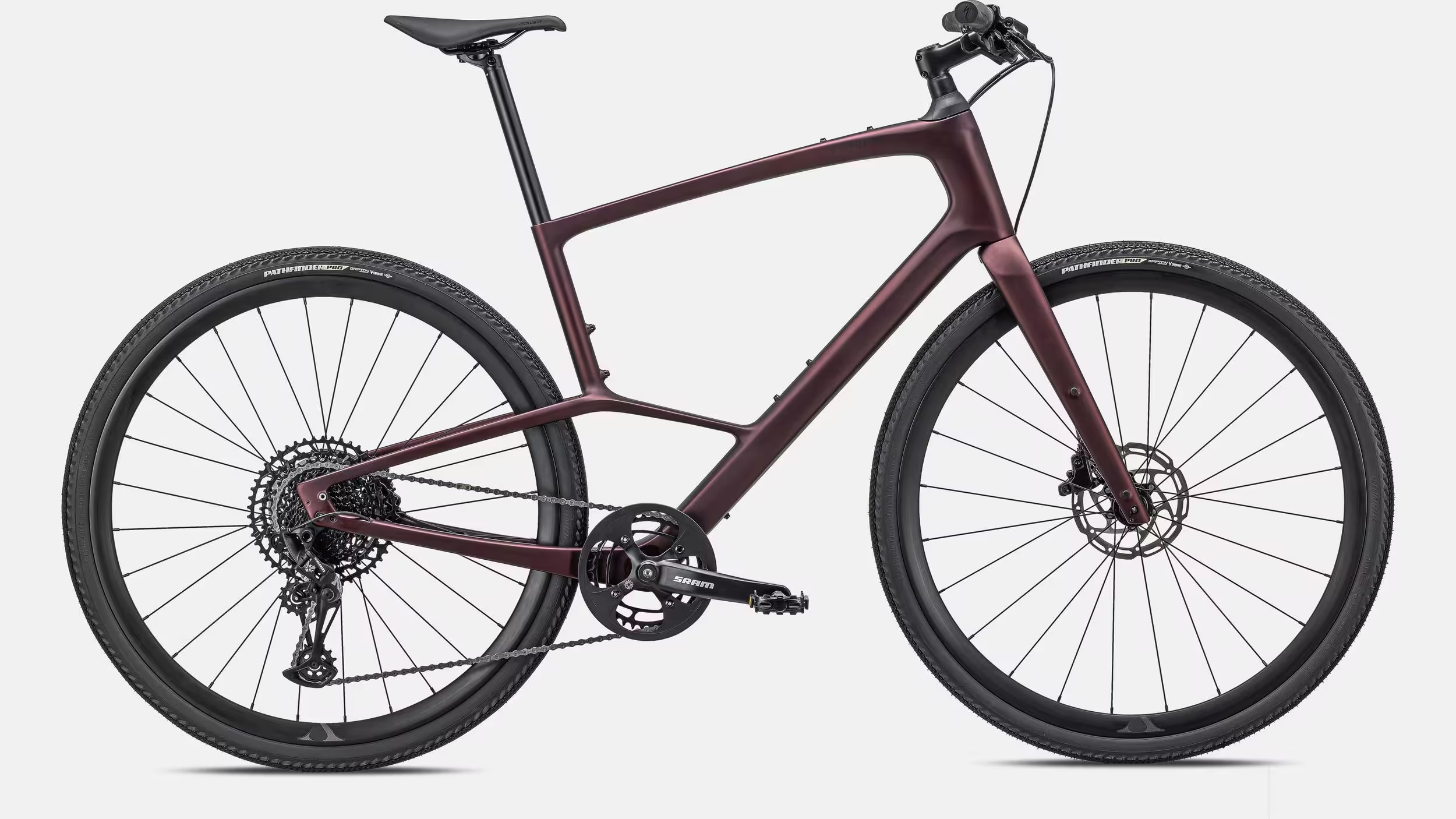
That trade-off is partly why such solutions remain rare in mainstream lineups. A wishbone-style seatpost in carbon will demand an exacting layup and extensive validation. The component must bear a rider’s static weight, absorb dynamic shocks from bumps and potholes, and still transfer pedaling forces without unwanted flex. Failures would be conspicuous and potentially dangerous on long efforts; Karakurt and other designers implicitly acknowledge the difficulty of making a lightweight, durable part that can survive 50 to 100-mile rides and competitive use.
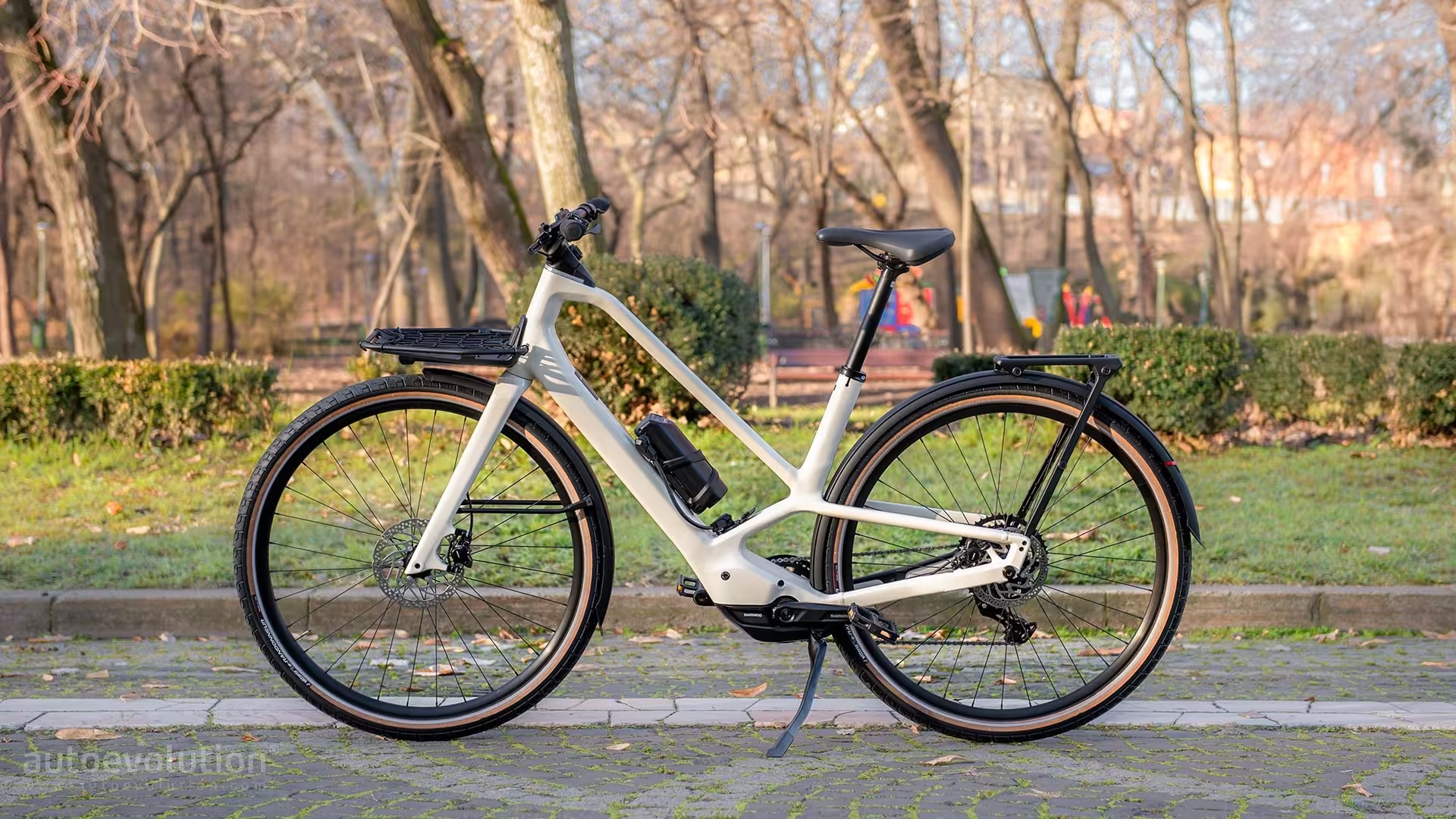
There are also aerodynamic questions. On modern aero bikes the down tube helps manage airflow and smooth wake transition toward the rear; without it, air that passes the fork can fall into an open cavity with no obvious path to control turbulence. Add a rider’s moving legs and the complexity increases, which helps explain why many performance frames remain visually traditional despite continual R and D advances.
Practical barriers extend beyond engineering. Independent designs that omit the down tube turn heads, but commercialising such a layout requires considerable development hours and expensive testing, which drives up retail price. Urwahn’s decoupling approach, for example, commands a premium and elicits strong reactions: veteran cyclists Karakurt knows have reportedly said, "Now this is innovation."
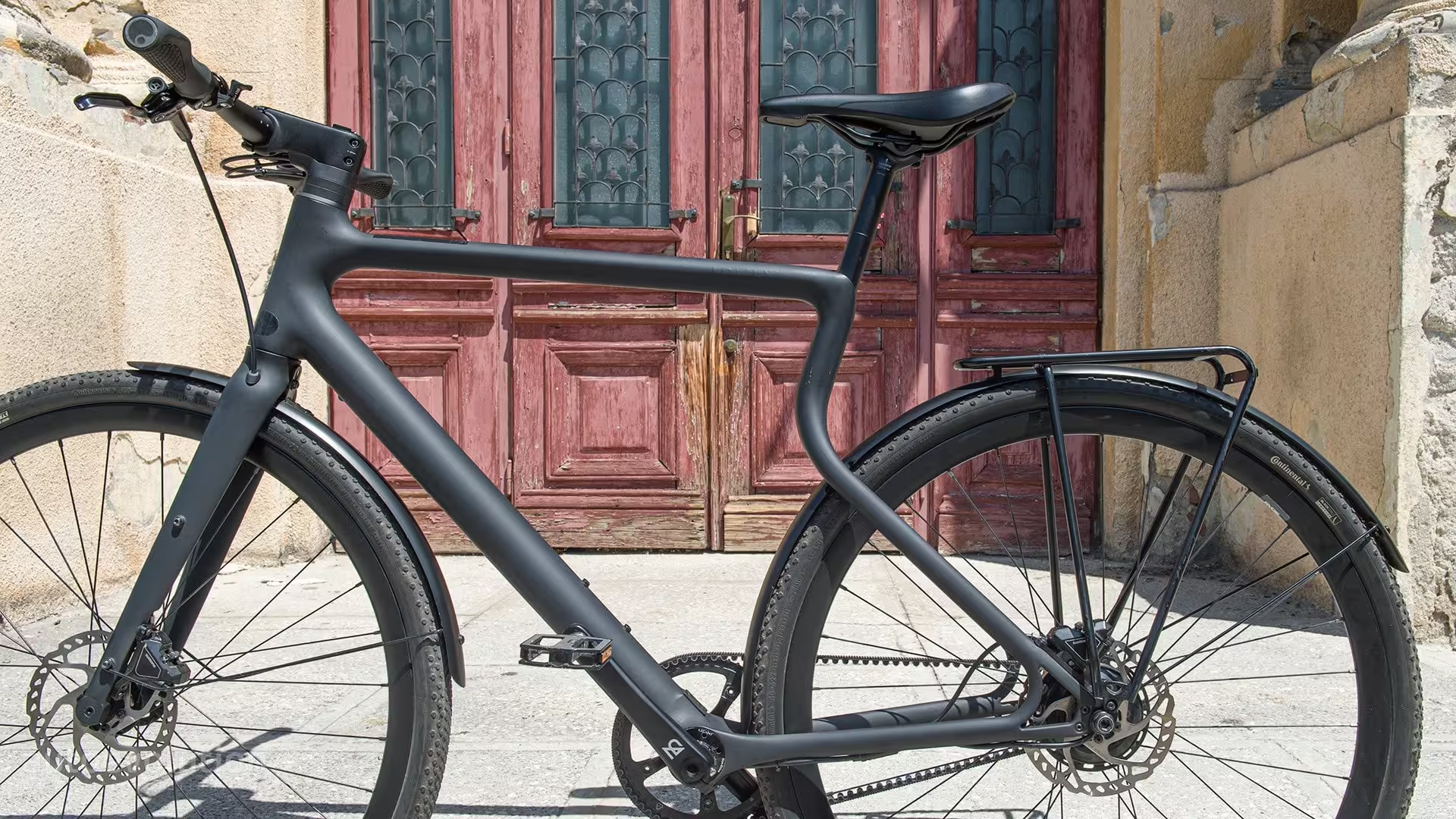
The Rapier remains a concept, but its core facts are clear: a carbon fiber frame concept by Efe Burak Karakurt that eliminates the down tube, enlarges the top and seat tubes, and uses a wishbone-style seatpost to suspend the rider in pursuit of reduced vibration and a distinctive aerodynamic form.


“Cars are evolving faster than ever. I cover electric vehicles, smart mobility, and the future of transportation worldwide.”
Discussion
Leave a Comment
Comments (1)
Wait, no down tube? Cool concept but isn't that big cavity behind the fork gonna wreck aero and make a turbulent wake? Wishbone seatpost seems risky, needs serious testing.