
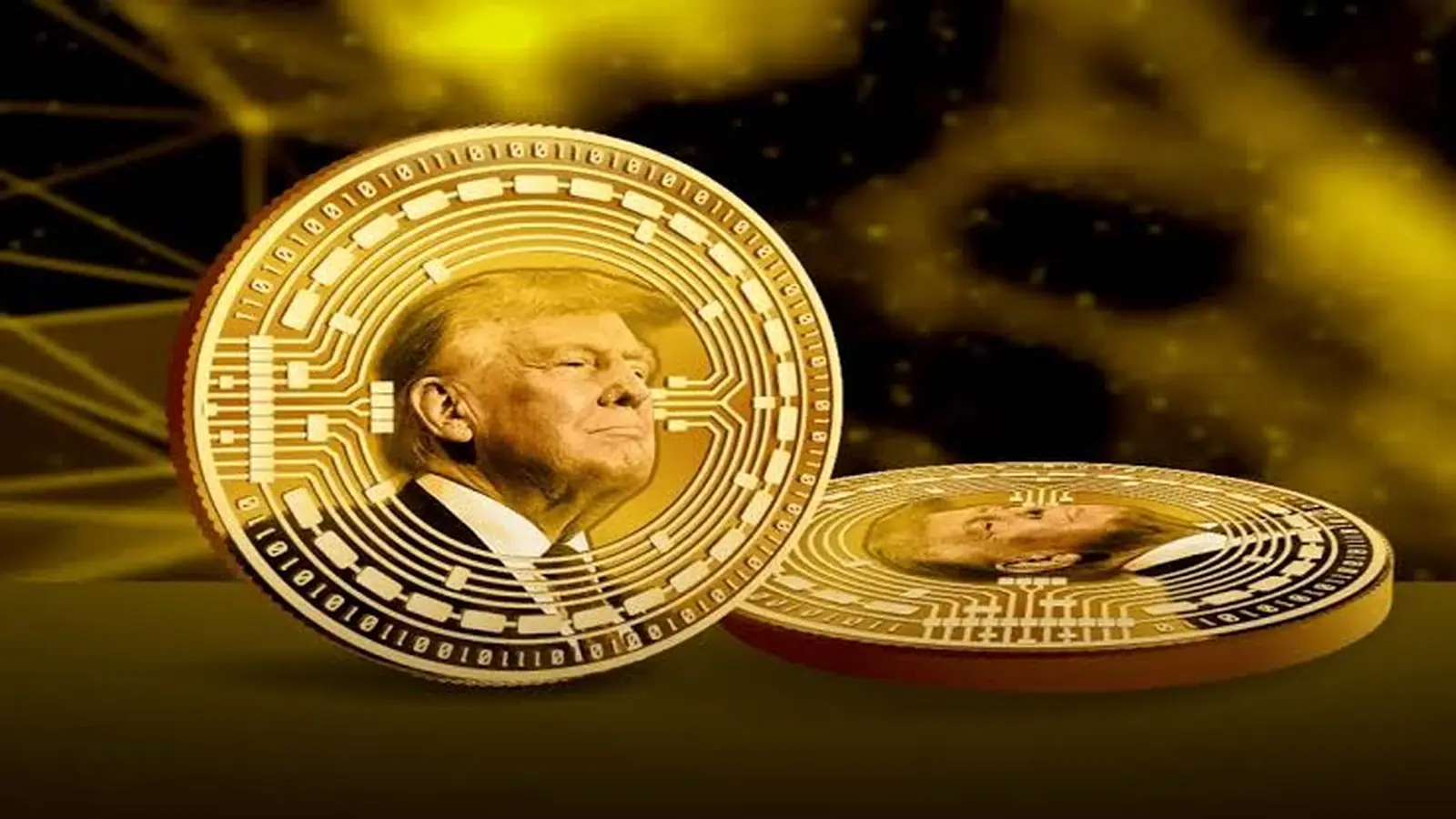
Rapid collapse of Trump Digital Gold on Solana
On Aug. 29, 2026, Trump Digital Gold (GOLD), a recently launched Solana token, collapsed roughly 99% from its intraday peak after a high-profile social media promotion and a coordinated large sell-off by a small cluster of addresses. On-chain investigators reported that wallets controlling more than four-fifths of the total supply liquidated their positions, converting the tokens to SOL and exiting the market within hours. The episode exemplifies persistent pump-and-dump risks in memecoin launches, while raising fresh regulatory and investor-protection questions for blockchain markets.
Key on-chain findings
Who sold and how much
Blockchain sleuths using public Solana transaction data found a tightly linked group of wallets that owned the bulk of GOLD. According to EmberCN, the addresses moved about 824.54 million GOLD tokens — approximately 82.45% of the token's total supply — into trades that netted 9,784.6 SOL, worth about $1.01 million at the time of the sales. The pattern shows a classic concentration risk where a handful of holders can determine price direction once retail buying pressure appears.
Timing and sequence
EmberCN's timeline indicates GOLD was minted at 7:38 a.m. local time. Less than two hours later, an X account using the handle @realtrumpcoins1 posted the token's contract address, prompting a rush of buyers into the newly listed market. That social post appeared to trigger a rapid valuation spike: GOLD's market cap briefly approached $66 million as new traders and automated liquidity takers entered.

Around 11:48 a.m., the promotional message was removed from the account, and the connected wallet cluster began executing large sell orders. Heavy selling pressure drove GOLD's market capitalization from roughly $55 million to about $1 million in roughly 30 seconds. The addresses continued converting GOLD into SOL until the entire 824.54 million-token position was sold off by approximately 2 p.m. EmberCN later reported the sellers realized the equivalent of about $1.01 million in SOL, and the token's market cap had fallen to near $700,000 — a near 99% decline from the peak.
Promotion, provenance and attribution
EmberCN labeled the clustered wallets as the token's primary bad actors, while Lookonchain identified a related set of about 15 wallets that had accumulated holdings before the public promotion. Neither on-chain analyst publicly identified the individuals behind the wallets or presented evidence linking the token's creators to former president Donald Trump or the Trump Organization.
The X account that promoted GOLD is tied to a Trump-themed merchandise collaboration, but neither TrumpStore.com nor the Trump Organization's official site listed GOLD as an authorized product or project. Importantly, there was no verifiable public statement from Donald Trump or his verified social channels endorsing GOLD. The GOLD token is also a separate asset from Official Trump (TRUMP), a Solana memecoin launched in January 2025 and promoted through Trump’s verified accounts.
How this mirrors past Solana memecoin collapses
The GOLD dump follows a recurring pattern seen in Solana-native token launches: rapid token creation, early accumulation by insiders or bundled wallets, a social-media-driven demand spike, and then a coordinated exit by concentrated holders. These transactions can devastate late retail buyers who purchase based on hype.
Earlier incidents include the BARRON token, where insiders reportedly converted a small early purchase into roughly $1.05 million in SOL after a quick rally, and other politically themed tokens where a handful of wallets controlled the lion's share of supply before large disposals. The mechanics are similar to rug pulls, but instead of removing on-chain liquidity from a pool, concentrated sellers simply sell into the market after inflating the price through promotion.
Regulatory context and investor protections
U.S. regulators have repeatedly warned about social-media-fueled pump-and-dump schemes in crypto. In February 2025 the SEC's Division of Corporation Finance indicated that many meme tokens are viewed as collectibles and may not meet the legal definition of a security, meaning federal securities protections may not apply. However, the agency also stressed it will scrutinize the economic reality of any asset that attempts to use 'meme' status to evade regulatory rules.
Even when a token is not classified as a security, other federal or state laws may apply to fraudulent conduct. The SEC's Office of Investor Education and Advocacy has cautioned that fraudsters can create culture-themed tokens, amplify prices through social media or celebrity associations, and then liquidate holdings while later buyers suffer steep losses.
Those regulatory signals are reflected in prior congressional attention. Lawmakers have asked the SEC to review politically branded tokens, including Official Trump (TRUMP), after dramatic drawdowns raised concerns about 'soft rug pull' dynamics and concentrated token control. Investigations typically look at token structure, distribution mechanics, promotion, and whether insiders benefited at retail investors' expense — but a formal enforcement action requires evidence supporting fraud or other violations.
Why concentrated token ownership matters
From a market-structure perspective, when one group holds the majority of a token's supply, price stability is fragile. A small number of sell orders can overwhelm available bids and push prices to near-zero levels in minutes. On Solana and similar chains, token creation and initial liquidity provisioning can happen almost instantly, enabling insiders to amass large stakes before broader market participation.
This dynamic allows two types of collapse: traditional rug pulls, where developers remove liquidity from exchange pools, and coordinated sell-offs by holders who never add meaningful decentralized liquidity but promote demand externally. Both leave late buyers exposed because there are insufficient counterparties to absorb large sell volumes.
Practical takeaways for crypto investors
- Verify token provenance: Check whether official channels or the issuer's verified accounts make legitimate announcements. A merchandise or affiliate account referencing a token does not confirm an official partnership.
- Inspect on-chain ownership: Use blockchain explorers and cluster-analysis tools to see supply concentration. If a few wallets hold most tokens, treat the asset as high risk.
- Be skeptical of social-media hype: Sudden spikes after a single post — especially from accounts with promotional motives — are common in pump-and-dump schemes.
- Watch liquidity depth: Assess order book depth and liquidity pools. Thin liquidity means a small sell order can cause outsized price moves.
- Diversify and size positions conservatively: Avoid allocating large portions of capital to newly launched memecoins or politically themed tokens with opaque teams.
Conclusion
The GOLD token episode on Solana is a stark reminder of how quickly retail participants can be harmed by concentrated token ownership and social-media-fueled promotion. While blockchain transparency makes it possible to trace wallets and transaction flows, on-chain data alone does not always reveal the actors behind an address or prove criminal intent. Regulators and investigators continue to monitor such incidents, but investors must exercise caution, perform basic on-chain due diligence, and avoid buying assets based solely on hype or celebrity associations.
For traders active in memecoin markets, the GOLD collapse reinforces the need for skepticism, stronger market safeguards, and improved public education about how pump-and-dump schemes operate in decentralized finance and Solana-based token launches.


“With a background in economics and digital markets, I write about startups, finance, and the trends transforming the global economy.”

Discussion
Leave a Comment
Comments (3)
Pretty balanced take, but man memecoins keep doing this. Seen buddies dump money chasing hype, education and tools needed, not just warnings
Is this even true? 82% sold off in hours, no KYC or checks? Regulators asleep or too slow…
Whoa that crash was brutal, ppl got wrecked. How do platforms not stop these pumps? smells fishy, scammy af