
Goldman Sachs holds buy calls as Bitcoin surges past $80,000
Goldman Sachs has reaffirmed buy ratings on Coinbase Global and Robinhood Markets as Bitcoin staged a sharp recovery, briefly climbing above the $80,000 mark. The bank raised its Coinbase price target to $196 and set a $124 target for Robinhood, signaling confidence in regulated crypto exposure even as trading volumes remain depressed. Goldman also disclosed renewed positions in spot XRP exchange-traded funds, underscoring its expanding footprint in crypto-linked products.
Key takeaways for investors
- Goldman maintains buy ratings on Coinbase and Robinhood, with targets of $196 and $124 respectively.
- Crypto trading volumes fell sharply: about 30% in July and another 21% in August, according to Goldman analysts.
- Bitcoin climbed roughly 26% during the week of the rally, hitting an intraday high near $81,255 before easing back toward $79,000.
- Goldman reported approximately $86.5 million of exposure across five spot XRP ETFs in its second-quarter filing.
- The bank expects activity to recover if market capitalization holds near $2.8 trillion and regulatory clarity improves.
Why Goldman is cautiously optimistic about crypto markets
Despite a prolonged decline in trading activity, Goldman Sachs describes its stance as cautiously bullish for the second half of 2026. The bank's Americas Brokerage and Crypto Industry report highlighted a dramatic drop in spot-trading volume — about 75% from recent peaks — yet it also pointed to several positive catalysts. Chief among them are stronger token prices, evolving US regulation, and new product launches that allow digital-asset platforms to diversify revenue away from pure spot commissions.
Goldman argues that if the total crypto market cap stabilizes around $2.8 trillion, rising asset prices could attract both retail and institutional liquidity back to exchanges, restoring transaction revenues for major platforms like Coinbase and Robinhood. That view underpins the firm’s buy recommendations even while it warns investors to watch trading volumes closely.
Trading-volume slump and the potential rebound
The bank observed a 30% decline in crypto trading volume during July, followed by an additional 21% decline in August. While that contraction is longer than several prior drawdowns Goldman reviewed, the firm believes a sustained market-cap level and supportive macro conditions could prompt a recovery. Higher prices often unlock renewed interest from traders and institutions, increasing on-exchange activity and associated fee income.
Regulation: the single biggest variable for institutional adoption
Goldman’s investor surveys indicate regulatory uncertainty remains the top barrier to broader institutional entry. Roughly 35% of respondents cited unclear rules as the main obstacle, while about 32% said regulatory clarity would be the dominant catalyst for adoption. Recent policy movements in Washington may ease some of these concerns.
The US Securities and Exchange Commission has proposed a framework — dubbed Regulation Crypto Assets — that aims to clarify when digital-asset arrangements constitute investment contracts. The proposal includes provisions for limited fundraising exemptions, disclosure requirements, and a conditional safe harbor in particular scenarios. While the framework would not automatically exempt all crypto instruments from securities laws, the move toward a structured rule set could reduce legal ambiguity for exchanges, issuers, and asset managers.
CLARITY Act and legislative momentum
In parallel, bipartisan legislative efforts such as the CLARITY Act continue to shape market expectations. The bill would define whether specific tokens fall under SEC or Commodity Futures Trading Commission oversight and address consumer protections, stablecoin rules, and disclosures around public officials’ crypto holdings. Goldman’s CEO has publicly supported clearer market-structure rules, even as banking industry groups debate certain aspects like stablecoin incentives.
Coinbase and Robinhood: product expansion and revenue diversification
Goldman’s favorable ratings reflect more than just a bet on rising crypto prices. Analysts also factored in each platform’s push into new products that can generate revenue when spot crypto volume is weak.
Coinbase has been pursuing an 'everything exchange' strategy, expanding into derivatives, tokenized securities, prediction markets, and event contracts. Its prediction-market business notably reached $100 million in annualized revenue within two months of launch, driven largely by sports-related contracts. However, those contracts have drawn regulatory scrutiny in some states over whether they constitute gambling.
Robinhood has likewise broadened its product set. The firm’s prediction-market offering has been forecast by some brokers to jump significantly year-over-year, bolstered by event-driven trading tied to sports and global events. Robinhood also launched Robinhood Chain, an Ethereum layer-2 network oriented toward tokenized stocks and other digital financial assets. Tokenized instruments on that chain can be traded outside traditional market hours, though they may not carry the ownership, voting rights, or shareholder protections of ordinary equities.
Derivatives and regulatory trade-offs
New revenue lines such as perpetual futures, prediction markets, and tokenized securities can help exchanges offset lower spot fees. But they introduce fresh regulatory and compliance questions. Derivatives and event-based contracts fall into complex legal categories that could attract scrutiny from multiple agencies, including the SEC and CFTC, and may trigger state-level regulatory actions.
Goldman rebuilds XRP ETF exposure
After reporting no XRP ETF holdings in the first quarter, Goldman’s second-quarter Form 13F filing showed roughly $86.5 million spread across five spot XRP ETFs from providers such as Franklin Templeton, Bitwise, Canary Capital, 21Shares, and Grayscale. That contrasts with the firm’s end-2025 disclosure, which reported $153.8 million across XRP funds.
Form 13F filings reveal certain long US securities positions at quarter end but do not provide a complete trade history or distinguish between client or proprietary holdings. Goldman’s disclosure therefore confirms the bank held XRP ETF positions at the end of June, but it does not necessarily indicate a directional long-term bet on XRP.
Crypto product expansion in asset management
Goldman is also extending crypto-linked strategies within its asset-management business. The bank announced an agreement to acquire Neos Investments for up to $2.25 billion, pending regulatory approval. Neos oversees more than $30 billion across options-based income ETFs, including three products with exposure tied to Bitcoin and Ethereum that use options strategies to generate yield. If regulators approve the deal, the acquisition could close in early 2027 and broaden Goldman’s ability to offer structured crypto exposure to clients.
Bitcoin breakout fuels appetite for crypto stocks
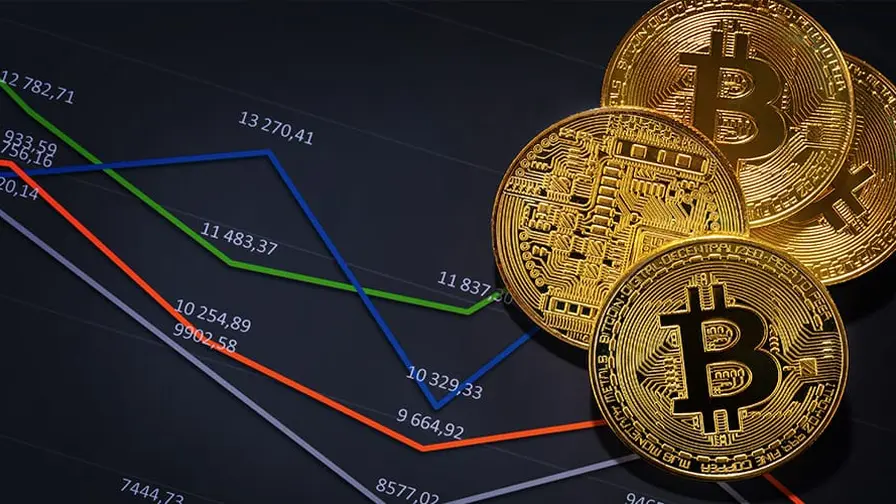
Bitcoin rallied roughly 26% during the week of the move, briefly reaching an intraday high near $81,255 before retreating toward $79,000 as traders took profits. That spike lifted shares of Coinbase and Robinhood, both of which gained double-digit percentages in the days surrounding the rally. Market participants noted that trading volume surged by nearly 75% over a recent 24-hour window during the rally, underscoring how price momentum can rapidly amplify exchange revenues and investor sentiment.
Goldman highlighted several macro drivers behind the rally. The US Treasury’s decision to double the size of long-dated bond buybacks pushed Treasury yields lower, making risk assets comparatively more attractive. Political developments, including renewed calls from former President Donald Trump for Congress to pass the CLARITY Act, added to the constructive narrative for crypto regulation. With lower yields and clearer regulatory expectations, some institutional money has been incentivized to re-enter crypto-linked equities.
Short-term volatility and key data points to monitor
Investors should be mindful of short-term risks that can reverse momentum. Profit-taking around psychological price levels, shifting Treasury yields, and macro data releases can all influence Bitcoin and correlated equities. A closely watched event is the US personal consumption expenditures inflation report, the Federal Reserve’s preferred inflation gauge. PCE readings influence rate expectations, which in turn can affect Treasury yields and risk asset pricing — including Bitcoin and US-listed crypto stocks.
Risks, considerations, and what to watch next
- Regulatory outcomes: Final SEC rules, legislative action on the CLARITY Act, and state-level responses to novel products will shape institutional participation.
- Volume and revenue mix: Exchanges that diversify into derivatives, tokenized securities, and prediction markets may better withstand spot-volume droughts, but they also face complex compliance obligations.
- Macro backdrop: Treasury yields, Fed policy signals, and major economic prints like PCE will remain powerful drivers of risk appetite.
- Product design and investor protections: Tokenized stocks and event contracts can offer trading flexibility but may dilute shareholder rights and raise custody, transparency, and legal questions.
Bottom line
Goldman Sachs is taking a cautiously bullish stance on the crypto sector for the back half of 2026, balancing concerns about weak trading volumes with optimism about higher token prices, regulatory clarity, and product innovation. Its maintained buy ratings on Coinbase and Robinhood reflect a view that regulated, well-capitalized platforms stand to benefit as liquidity returns and new revenue streams mature. At the same time, investors should track regulatory developments, macroeconomic data, and on-exchange volumes to assess whether the recent Bitcoin breakout represents a durable recovery or a temporary reprieve in a volatile market.
For traders and long-term investors alike, the interaction among regulation, product innovation, and macro policy will determine how quickly crypto trading activity rebounds and which public companies ultimately capture market share as the sector evolves.

“With a background in economics and digital markets, I write about startups, finance, and the trends transforming the global economy.”

Discussion
Leave a Comment
Comments
No comments yet. Be the first.