
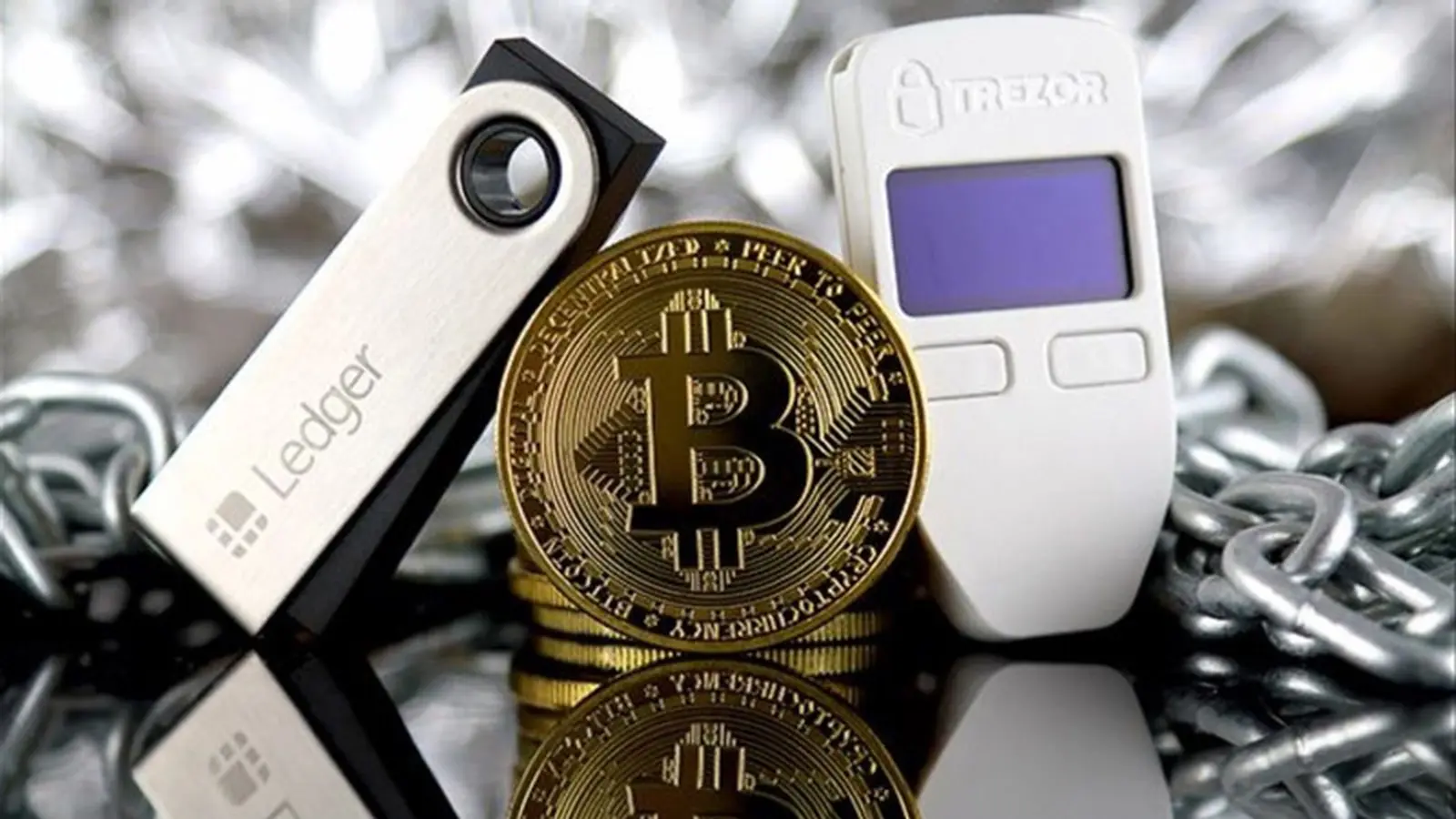
Major hardware wallet makers hit by data exposure
Trezor and SafePal, two leading hardware wallet manufacturers, have reported a customer data exposure affecting a combined 53,487 users. Although private keys and seed phrases were not compromised, the incident highlights growing concerns around self-custody and cryptocurrency security for retail holders.
What was leaked and how many users were affected
According to published reports, the leaked dataset included names, email addresses, phone numbers, shipping addresses and order details for 53,487 customers. SafePal stated that a vulnerability in an order-tracking plugin was responsible for exposing roughly 39,798 user records. Both companies insist that recovery phrases, private keys and on-chain balances remain secure.
Market reaction and token impact
Market response was muted. SafePal's native token SFP fell by about 0.56% on the day of the announcement and was trading near $0.23, indicating traders viewed the event as a data privacy incident rather than a direct threat to crypto assets.

Why this matters for self-custody holders
Security experts warn that personal data tied to hardware wallet purchases can be valuable to attackers. Knowing someone likely stores significant crypto off-exchange makes them a potential target for phishing, social engineering and even physical threats. The breach echoes the 2020 Ledger leak, which led to years of ongoing phishing campaigns and targeted harassment of crypto holders.
Practical steps for users
Investors should increase vigilance: treat unsolicited messages with skepticism, avoid clicking suspicious links, never share seed phrases, and verify recovery requests through official channels. Consider enhancing personal security practices, limiting public exposure of wallet ownership, and using hardware wallet best practices to protect private keys and maintain robust self-custody.
As the industry matures, incidents like this underscore the difference between asset security and personal privacy. Hardware wallets can keep funds safe on-chain, but user data leaks remain a serious privacy and security risk for anyone holding cryptocurrency.

“I cover automotive innovation, electric vehicles, and the future of mobility — where technology meets sustainability.”

Discussion
Leave a Comment
Comments
No comments yet. Be the first.