
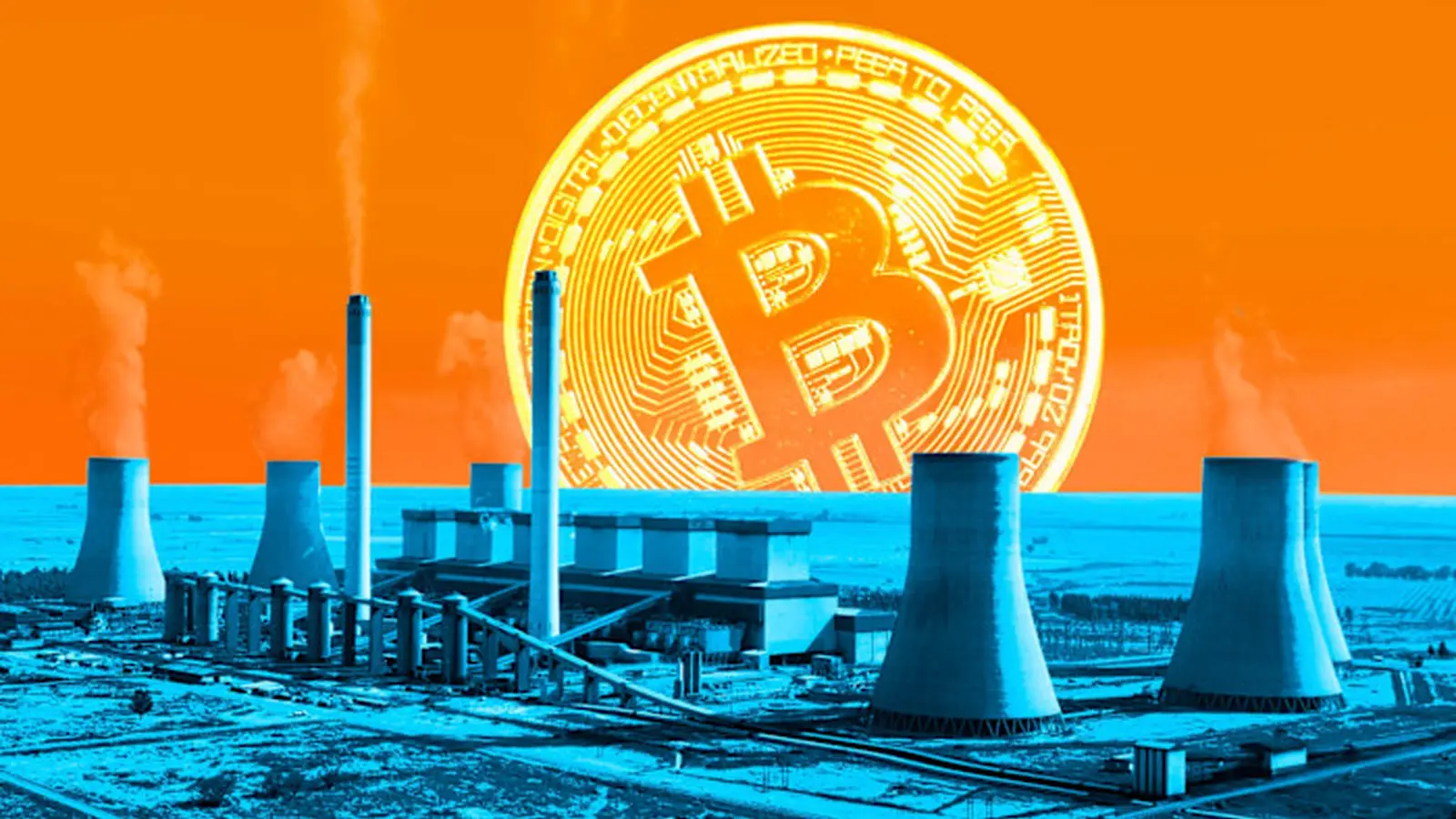
New preliminary data from the Cambridge Centre for Alternative Finance indicates Bitcoin mining’s annualized electricity demand jumped sharply between mid-2024 and late 2025. The centre’s early figures suggest annualized consumption rose about 38%, from roughly 138 terawatt-hours (TWh) in June 2024 to an estimated 190 TWh in December 2025. At the same time, hydropower appears to have overtaken natural gas as the single largest energy source used by miners, while low-carbon energy now constitutes a larger share of the reported power mix.
Key findings
- Bitcoin mining electricity use up 38% to ~190 TWh (annualized) between June 2024 and December 2025.
- Hydropower now reportedly leads natural gas as the largest single source of mining power in the survey.
- Low-carbon sources supplied 59.4% of the reported energy mix, up from 52.4% in the prior Cambridge study.
- Estimated greenhouse-gas emissions rose by around 20%, from ~40 million to ~48 million tonnes CO2-equivalent.
- Only about 10% of surveyed miners have already allocated capacity to AI or high-performance computing (HPC), though many are exploring the option.
Cambridge’s preliminary update and the tweet
Alexander Neumueller of the Cambridge Centre for Alternative Finance presented these preliminary numbers at the Energy Investors Forum in Dallas. The centre plans to publish the second edition of its Digital Mining Industry Report later in 2026, with a full energy breakdown and final methodology.
Preliminary data from the Cambridge Centre for Alternative Finance shows Bitcoin mining’s annualized electricity consumption rose 38% from 138 TWh in June 2024 to about 190 TWh in December.

Hydropower displaces natural gas in reported energy mix
The 2025 Cambridge Digital Mining Industry Report previously found that natural gas supplied the largest single share of miners’ electricity among survey respondents, at 38.2%, with renewables contributing 42.6% and nuclear roughly 9.8%. Coal fell to 8.9% from an earlier 2022 estimate of 36.6%.
In the preliminary update covering December 2025 rates, hydropower is now shown as the leading single source for the surveyed cohort. Cambridge has not yet released a full per-source breakdown for the update, but Neumueller attributed some of the shift to broader survey coverage in hydro-rich regions such as Ethiopia. Ethiopia’s expansion of mining tied to low-cost electricity from the Grand Ethiopian Renaissance Dam is one cited example.
Why hydropower’s share matters

The rise of hydropower in the reported mix affects how the industry’s carbon intensity is interpreted. When a larger share of operations uses hydro or other renewables, a survey-based emissions estimate will trend lower than one that assumes higher reliance on fossil fuels. However, changes in sampling and geographical reach of surveys can also tilt results—more responses from regions with abundant hydro will increase the apparent share of renewable generation even if global generation patterns are more varied.
Electricity demand growing faster than emissions
Cambridge’s update highlights a divergence: electricity demand increased substantially, but reported emissions grew at a slower pace because miners reported a cleaner average power mix. Annualized power use rose by roughly 52 TWh between the two reference points, a measurement that projects December 2025’s rate over a full year rather than indicating exact calendar-year consumption.
Despite the cleaner reported mix, estimated greenhouse-gas emissions still climbed from an approximate 40 million tonnes of CO2-equivalent to about 48 million. Efficiency gains in new ASIC hardware have improved the joules-per-hash metric, but adding large amounts of new computing capacity (hashrate) outpaced those efficiency improvements, pushing overall electricity consumption higher.
Methodological caveats
Cambridge’s Bitcoin Electricity Consumption Index incorporates multiple variables—equipment efficiency, miner economics, transaction fees, network difficulty and regional electricity prices—so estimates can shift as those inputs change. The centre’s earlier work also highlighted how different modeling choices produce divergent emissions figures: a survey-based approach yielded ~39.8 million tonnes while a location-based method produced ~69.6 million tonnes. The discrepancy underscores sensitivity to assumptions about exact mining locations, grid mixes, contracted power, and the use of stranded or flared energy.
Survey limits and geographic bias
The preliminary update relies on responses from firms representing slightly more than half of global Bitcoin hashrate, expanding coverage compared with Cambridge’s first report. While broader survey participation increases sample size, it also brings potential geographic biases. Heavy response rates from U.S. miners in earlier surveys likely overstated the U.S. share of global activity; conversely, stronger participation from hydro-dependent markets can inflate the share of hydropower in the reported mix.

Miners eye AI and HPC but deployments remain limited
The survey also asked whether miners are diverting power capacity into artificial intelligence and high-performance computing services. Roughly 10% of respondents said they already allocate some power to AI or accelerated computing workloads. More than 40% of other miners reported actively exploring the option.
Neumueller warned that expressed intent does not equal commitment: AI and HPC customers usually need consistent, resilient power, advanced networking and specialized cooling—attributes that many Bitcoin mining sites currently lack. Miners can rapidly throttle off Bitcoin rigs to manage electricity costs, but AI data centers typically require service-level guarantees and stable power contracts. Still, nearly 90% of respondents expect AI and HPC diversification to grow over the next several years; publicly listed miners have announced tens of billions in prospective AI and HPC contracts as they seek steadier, non-mining revenue streams.
Early financial signals
Some listed mining companies already show the shift in their financials. For example, TeraWulf reported more revenue from HPC hosting than from Bitcoin mining in Q1 2026—about $21 million from HPC versus under $13 million from crypto mining—illustrating how energy-intensive miners are positioning for broader compute markets.
Implications and outlook for the crypto energy debate
The Cambridge preliminary update makes two concurrent points: the Bitcoin network’s electricity consumption continues to grow as hashrate rises, and the share of low-carbon generation reported by miners is increasing. Both developments matter for policymakers, grid operators and cryptocurrency investors. A rising share of renewables and hydropower can reduce the sector’s carbon intensity on paper, but absolute emissions may keep growing until efficiency and cleaner grid expansion outpace raw demand.
Cambridge’s final Digital Mining Industry Report, due later in 2026, will provide the community with more detailed source breakdowns and finalized methodology. For now, the data reinforce that monitoring electricity consumption, energy mix, emissions, and miner diversification into AI and HPC will remain central to evaluating the environmental and economic impact of Bitcoin mining globally.


“With a background in economics and digital markets, I write about startups, finance, and the trends transforming the global economy.”

Discussion
Leave a Comment
Comments (3)
Feels a bit overhyped. Low-carbon share up on paper, yet total CO2 climbed. Need location based checks, not just surveys.
Seen this firsthand, miners wanna host AI but most sites lack stable power, contracts and proper networking. TeraWulf pivot makes sense, tbh
Hydro now #1? Hmm maybe. Sounds like survey sampling wobble, more hydro regions replied. emissions still +20% so not exactly clean yet…