
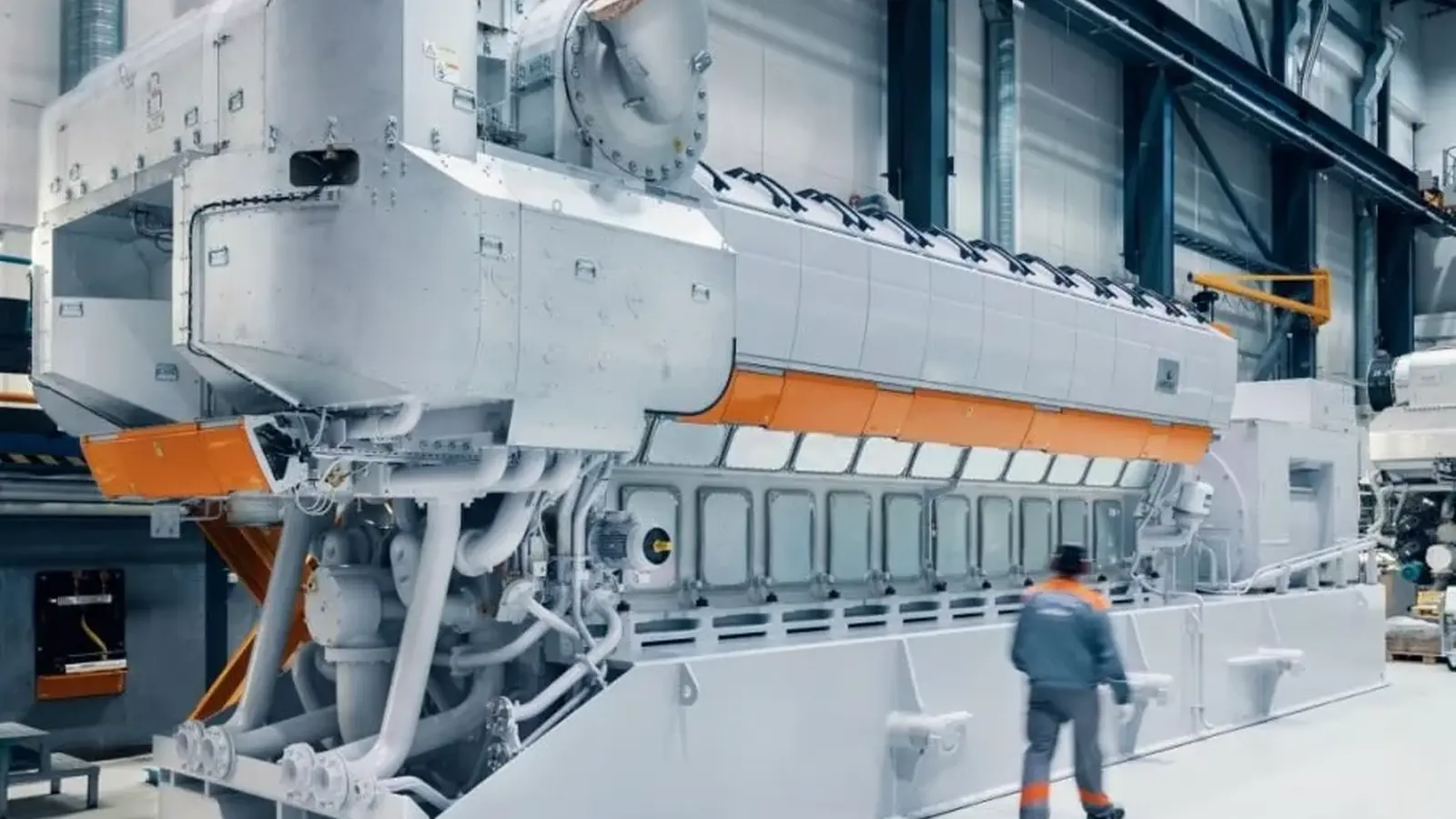
Imagine a hulking engine, silent in its intent, turning pure hydrogen into usable electricity and slipping that power into the national grid. No smoke. No CO2. Just a thrum of turbines and a promise that the renewable era might have a new heavy-lift tool.
Finnish energy firm Wärtsilä has pushed a prototype hydrogen-fueled internal combustion engine through its paces at a testing site in northern Spain and, for the first time at this scale, successfully delivered generated electricity to Spain's national grid. The unit runs on 100 percent hydrogen and was built to tackle the intermittency problem that plagues wind and solar: supply when the sun sleeps and when the wind falls still.
A heavy lifter for variable renewables
This is not a fuel cell. It's a reimagined combustion engine optimized for hydrogen. Think of it as a dispatchable power plant in a single machine: fast to start, able to ramp output, and designed to provide the sorts of grid-balancing services that batteries and renewables alone struggle to offer over long durations.
Wärtsilä says multiple units could be clustered into plants capable of producing hundreds of megawatts. The appeal is obvious. Grid operators need reliable, scalable backup that emits no greenhouse gases when it runs on green hydrogen. A fleet of these engines could act like a virtual thermal fleet, only without the carbon.

That potential does not erase reality. Scaling hydrogen use demands more than clever engineering. Production at gigawatt scale, safe and cost-effective storage, and revamped transmission infrastructure are prerequisites. Governments will need to match technical progress with supportive rules and long-term policy certainty before investors commit at scale.
- Production: green hydrogen requires abundant cheap renewable electricity paired with electrolysis capacity.
- Storage and transport: large volumes of hydrogen pose logistical and safety challenges distinct from gas or liquid fuels.
- Policy and finance: infrastructure and market signals must follow technology so deployment is viable.
Spain is a useful proving ground. The country already leans heavily on wind and solar, so a non-emitting, dispatchable resource fits the system narrative. This successful grid connection proves the concept in principle. The next step will be testing durability, efficiency under real dispatch cycles, and how these engines integrate with other grid services.
This marks the first time a large-scale hydrogen combustion engine has fed power into a national grid, a milestone that shifts hydrogen from lab curiosity toward practical grid architecture.
Expect more pilots. Expect policy debates. Expect questions about cost and where hydrogen is produced. But also expect that, for operators wrestling with renewables' variability, this technology adds a credible option to the toolbox.

“I cover emerging technologies, digital innovation, and the intersection of tech and everyday life. My goal is to make complex trends accessible and inspiring.”

Discussion
Leave a Comment
Comments
No comments yet. Be the first.