
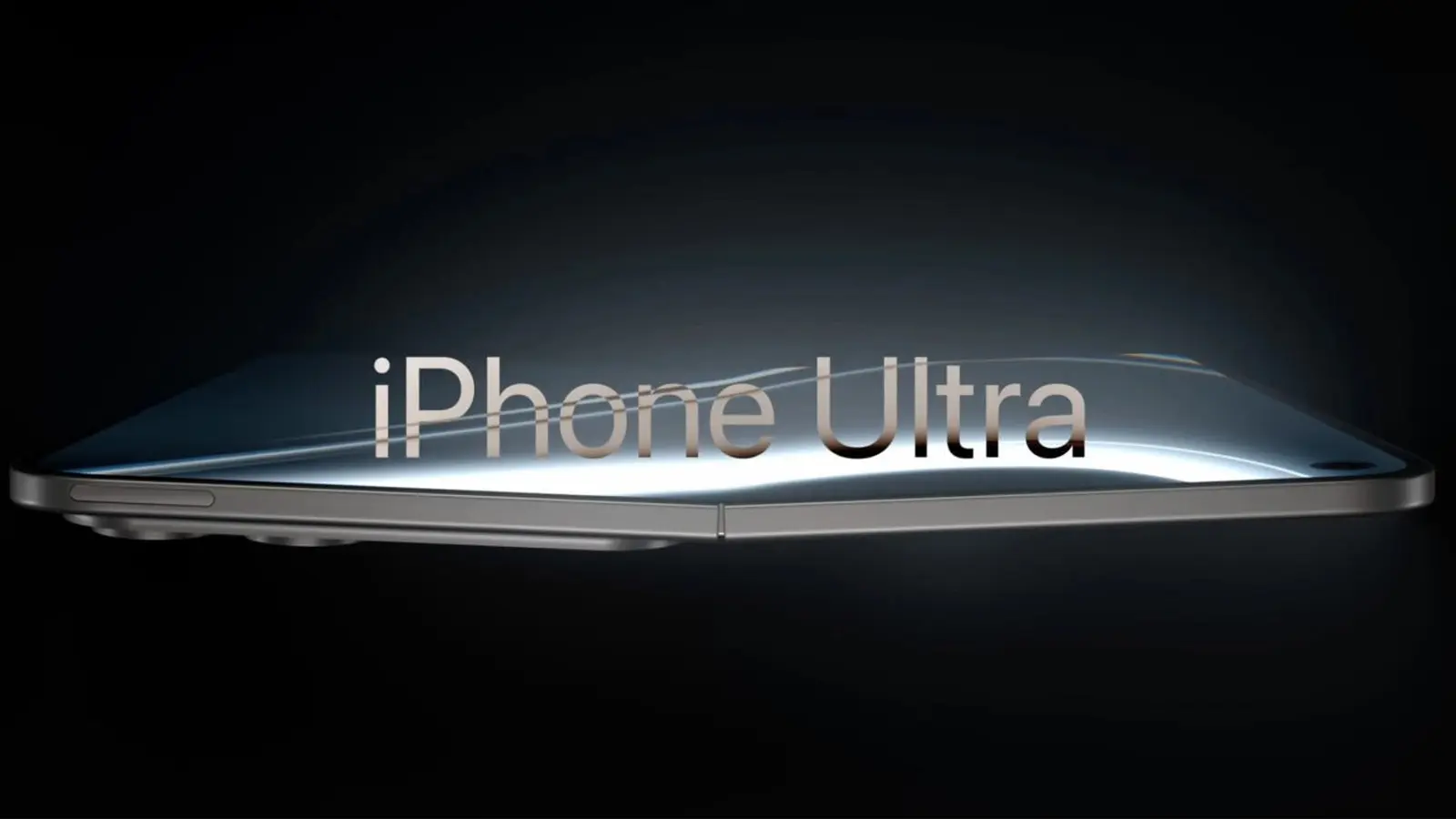
Lines of code do something Apple rarely lets speak for it. In the iOS 27 beta, developers uncovered plain-text clues that point to a foldable iPhone and a software designed to make it feel native, not tacked on.
Clues tucked inside iOS
Security researchers and independent coders, including the handles M1Astra and Sam Henri Gold, found strings in the iOS 27 framework that are hard to read as anything but foldable support. The files contain references like 'foldState', 'angleDegrees', 'mechanicalAngleDegrees' and 'isanglevalid'. Those names suggest the system will detect whether a device is opened or closed and even measure how far the hinge is bent.
Why does that matter? Because fold detection changes the UX. Imagine placing the device half-open and having the top half behave like a passive display while the bottom becomes a keyboard or control surface. Android calls this Flex Mode. Apple seems poised to offer a similarly polished, system-level approach, where apps and widgets can react to hinge angles with subtle, intentional behavior.
Some features already visible in the public beta line up with that idea. iOS 27 introduces full-screen widgets that take over the display on a single-pane iPhone. On a foldable, those same widgets could naturally occupy half the screen, letting two complementary views live side by side without awkward scaling.

There are smaller touches with bigger implications. iPhone Mirroring, for example, now supports an iPad-sized window, which would feel at home on a foldable whose unfolded canvas sits between phone and tablet. These are the kinds of refinements you only notice when the hardware and software are built to expect one another.
So is Apple really ready to ship a foldable? The amount and specificity of the code makes a good argument. When operating-system developers bake angle sensors and fold states into core frameworks, it is not just a prototype — it is preparation for real devices and a real launch schedule. That aligns with whispers about a fall reveal, most likely in September, probably alongside the next iPhone family.
Whether Apple will call it iPhone Ultra or choose another name is still a question. The code does not speak branding. It does, however, suggest that if Apple is launching a foldable this year, it will be accompanied by thoughtful software behavior rather than gimmicks.
Expect more hands-on leaks and developer notes between now and the autumn event. For anyone who follows smartphone design, this feels like the moment when years of rumor start turning into tangible features.

“I cover emerging technologies, digital innovation, and the intersection of tech and everyday life. My goal is to make complex trends accessible and inspiring.”

Discussion
Leave a Comment
Comments
No comments yet. Be the first.