
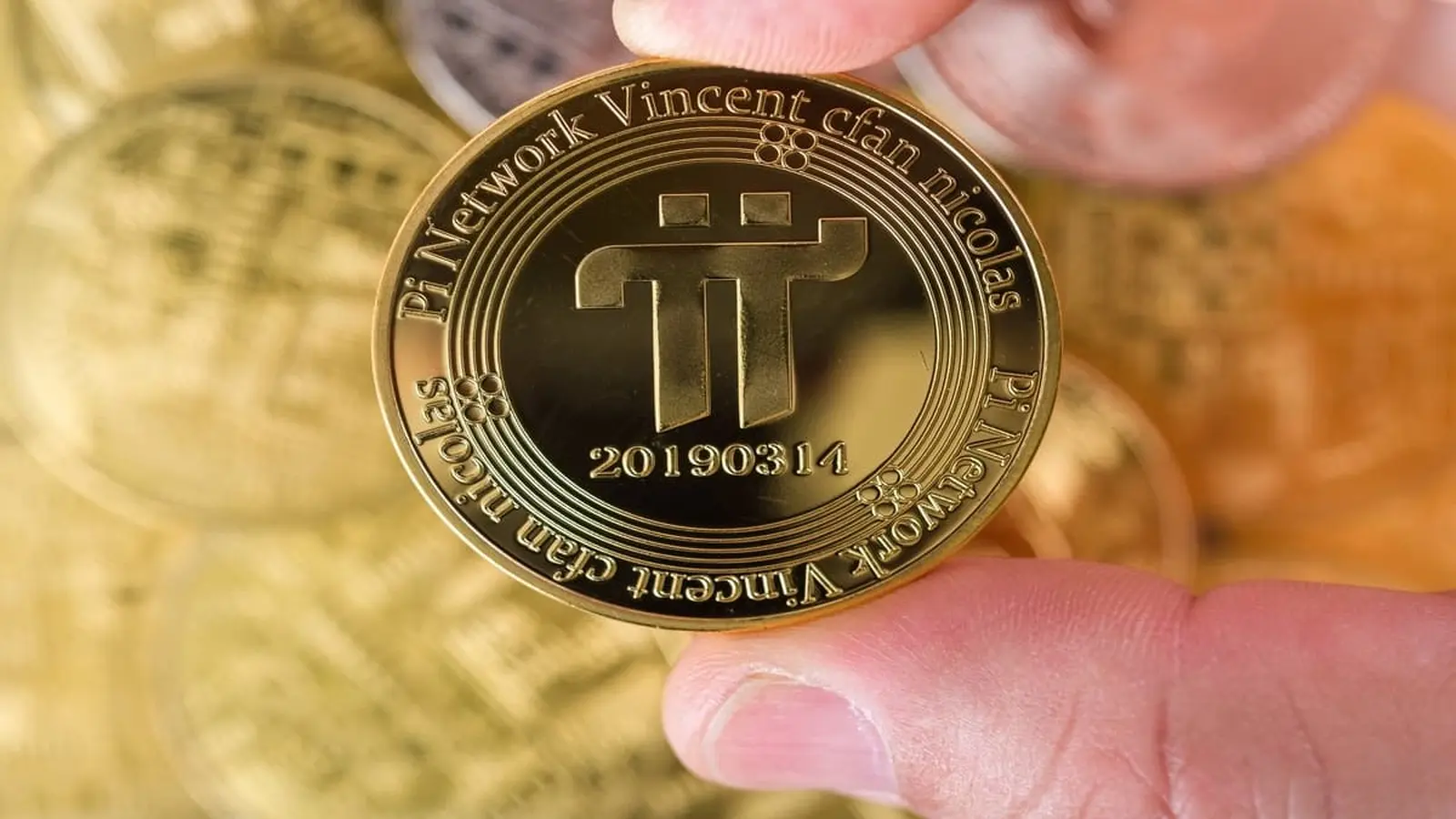
Pi Coin edges up after Pi2Day but faces technical resistance
Pi Coin (PI) showed modest gains as Pi Network rolled out several ecosystem upgrades during its Pi2Day event. The protocol introduced SoloHost, Pi Sign-In, and PiVerify — features intended to expand on-chain utility, developer adoption, and business integrations. The token recovered from a fresh intraday low, helped by a broader crypto market rally and improved derivatives activity, but short-term bearish technical patterns and heavy token unlock schedules keep the outlook cautious.
Key takeaways
- Pi Network launched SoloHost, Pi Sign-In, and PiVerify during Pi2Day, signaling growing utility for developers and businesses. - PI bounced from oversold conditions, but a potential bearish flag on the 4-hour chart caps upside. - Large monthly token unlocks and limited listings on major exchanges remain primary constraints on sustained price recovery.

What Pi2Day announced and why it matters
The Pi2Day announcements aim to move Pi Network from a large user base toward tangible on-chain activity. SoloHost is positioned to enable new local AI apps and compute use cases via Pi Desktop and node infrastructure. Pi Sign-In is pitched as a unified authentication layer to link users, devices, and decentralized applications, while PiVerify gives third-party firms access to Pi’s verified user pool — more than 18 million KYC-verified accounts — creating potential demand drivers for the PI token.
These upgrades could materially improve Pi Network's developer ecosystem and real-world business integrations, which are important long-term catalysts for token adoption. However, utility upgrades alone may not immediately translate into higher price action without supporting market liquidity and exchange access.
Market context: Bitcoin rally and derivatives flows
Macro tailwinds also helped sentiment. Bitcoin reclaimed territory above $61,000 and briefly breached $62,000 after U.S. June payrolls data surprised to the downside, increasing hopes of Fed rate cuts later in the year. That rally added roughly $50 billion to total crypto market capitalization and lifted many altcoins, including PI. Open interest in PI derivatives ticked above $20 million following last week’s selloff, indicating renewed trading interest.
Technical outlook: oversold bounce meets a bearish flag
PI’s short-term recovery followed a sharp drop to a new low near $0.1141. The daily Relative Strength Index fell into oversold territory around the mid-20s, prompting a bounce back toward the $0.115 support area. On shorter time frames, however, sellers still control the structure.


PI 4-hour price chart — July 2
The 4-hour chart shows what looks like a classic bearish flag: after a steep fall from about $0.132, price has been consolidating in a tight ascending channel. A descending trendline has repeatedly capped rallies since late June, and the Supertrend indicator sits above price near $0.121, reinforcing resistance. The MACD is starting to improve, with the histogram turning positive and MACD lines tilting upward, but buyers must clear several hurdles before momentum can shift.
Immediate resistance cluster and invalidation points are around $0.116, $0.120, and $0.123 on Fibonacci retracements. A decisive move above the descending trendline and the Supertrend would weaken the bearish flag and open a path toward $0.123–$0.125. Conversely, a failure to hold the lower boundary of the pattern and a break beneath the recent $0.111 low would likely expose new all-time lows.
Supply-side risks: token unlocks and limited exchange listings
Fundamental supply pressure remains the primary headwind to a meaningful PI price recovery. On-chain data from PiScan indicates that between roughly 76 million and 149 million PI tokens are scheduled to unlock during rolling 30-day windows, and more than 1.7 billion tokens could enter circulation over the next 12 months. This accelerating liquid supply has so far outpaced demand and contributed to the token trading near record lows.
Liquidity constraints are compounded by the absence of listings on major centralized exchanges such as Binance, Coinbase, and Bybit. Limited exchange availability reduces trading depth and amplifies sell-side pressure when large unlocked allocations hit the market.
Outlook and what traders should watch
Short term, PI is likely to remain range-bound until either market participants absorb the increased supply or demand materially improves. Watch these key factors:
- Price action relative to the descending trendline and Supertrend around $0.120–$0.121.
- Volume and open interest changes in PI derivatives as a gauge of market participation.
- The pace and scale of monthly token unlocks reported on-chain.
- Any announcements from major exchanges regarding listings, which would improve liquidity.
Sustained buying above $0.120–$0.121, driven by genuine adoption of SoloHost, Pi Sign-In, and PiVerify, could invalidate the bearish flag and set a recovery toward $0.123–$0.125. Until then, token unlock schedules and exchange constraints make a cautious trading approach prudent for investors and traders eyeing PI in the broader crypto market.


“I cover automotive innovation, electric vehicles, and the future of mobility — where technology meets sustainability.”

Discussion
Leave a Comment
Comments (2)
Nice tech moves, but token unlock numbers are scary. Adoption talk cant fix liquidity overnight, watch listings and volume, imo
Is Pi actually ready tho? SoloHost sounds cool but huge unlocks + no Binance.. feels risky, price might stay stuck unless big listings happen