
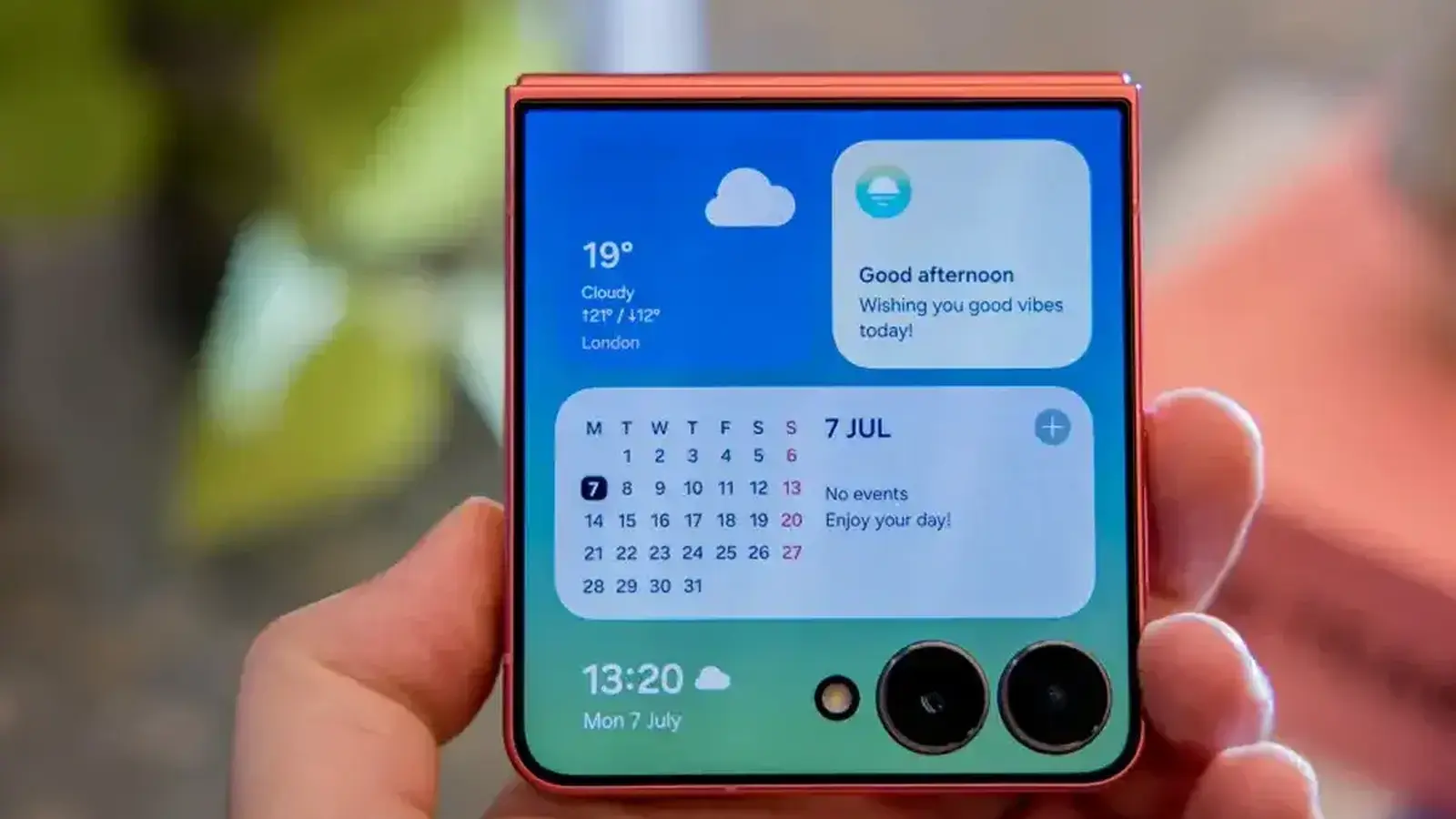
Think foldables were settling into a familiar pattern? The latest FCC filing suggests Samsung has a few surprises up its sleeve. The paperwork names the model SM-F776U, a US-bound unit that typically signals a Snapdragon-powered variant.
A closer read of the radio sheet
The document reads like a communications playbook. The Flip8 will handle a wide swath of 5G bands, including 1, 2, 3, 5, 7, 8, 12, 14, 20, 25, 26, 28, 29, 30, 38, 41, 48, 66, 70, 71, 77 and 78. It also lists Wi-Fi 7 compliance (be, including 6 GHz), Bluetooth, NFC and wireless charging. DisplayPort support appears in the additional capabilities section, hinting at more flexible external display options than you might expect.
One line jumps off the page: NB-NTN B255. That acronym stands for NarrowBand Non-Terrestrial Network, and it’s the kind of technical detail that increasingly matters to consumers and carriers alike. In plain terms, it’s a satellite-ready radio band. Google’s Pixel 10 family supports B255 and B266, so Samsung checking the B255 box could mark a meaningful expansion of satellite features in its flagship foldables.
.avif)
Why does that matter? Satellite connectivity changes what a phone can do when you are out of cellular reach. Emergency messaging, basic data fallback and limited location services become possible in remote spots. It is not a substitute for full broadband, but for safety and reach, it’s a big step.
Leaks to date paint the Flip8 as an evolution rather than a reinvention. Expect a crease-free display technology that improves the user experience under the fold. Don’t expect dramatic camera upgrades, a bigger battery or faster charging speeds. Samsung seems focused on polish where it counts rather than overhauling every spec.
.avif)
Chipset distribution looks familiar: units sold in Europe and South Korea should ship with the Exynos 2600, while models destined for other markets will run on a Snapdragon processor. Which Snapdragon remains unspecified in the filing, but the US model number points in that direction.
Small adjustments. Targeted features. A satellite-capable radio. The Flip8 feels like a pragmatic flagship—one that tightens the experience more than it chases headline specs. What to watch next: chipset confirmation and whether carriers will enable NB-NTN services at launch. Those two answers will tell you whether this foldable is merely clever or truly consequential.

“I cover emerging technologies, digital innovation, and the intersection of tech and everyday life. My goal is to make complex trends accessible and inspiring.”

Discussion
Leave a Comment
Comments
No comments yet. Be the first.