
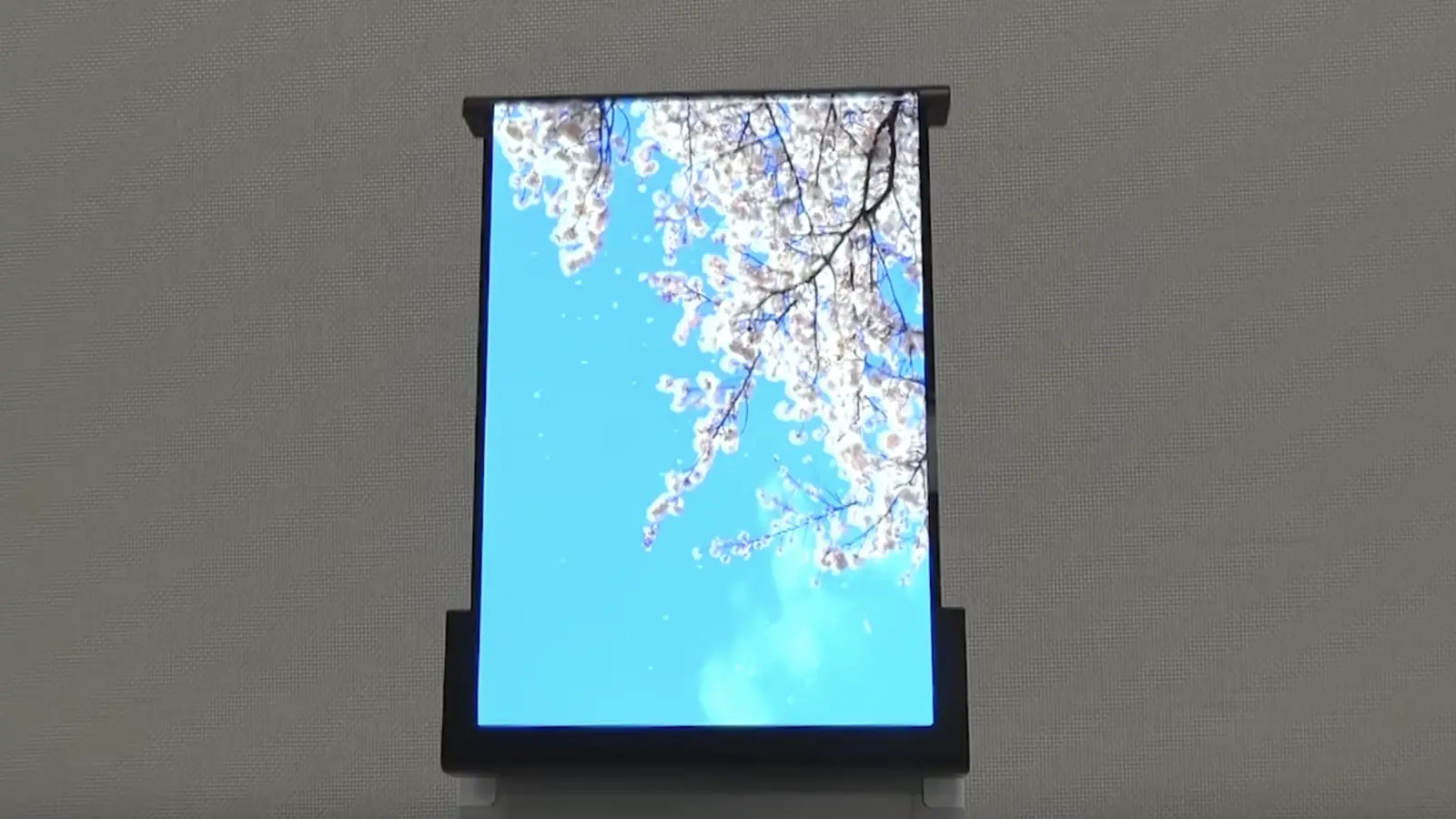
Imagine pulling a phone from your pocket and watching its display quietly extend to tablet size. No creases. No folding hinge. Just a smooth sheet that appears as if by magic. That’s the image a new Korean report is selling, and it centers on Samsung Display pushing to turn rollable screens into a real consumer product.
According to unnamed industry insiders cited in the report, Samsung Display is in talks with Samsung Electronics to supply rollable panels for a smartphone aimed at the first half of 2028. A Samsung Electronics official is said to have confirmed those discussions. Call it Galaxy Z Slide, call it Galaxy Z Roll; Samsung has trademarked both names, which suggests the company is hedging its bets on branding.
Why 2028 might be the year rollables leave the labs
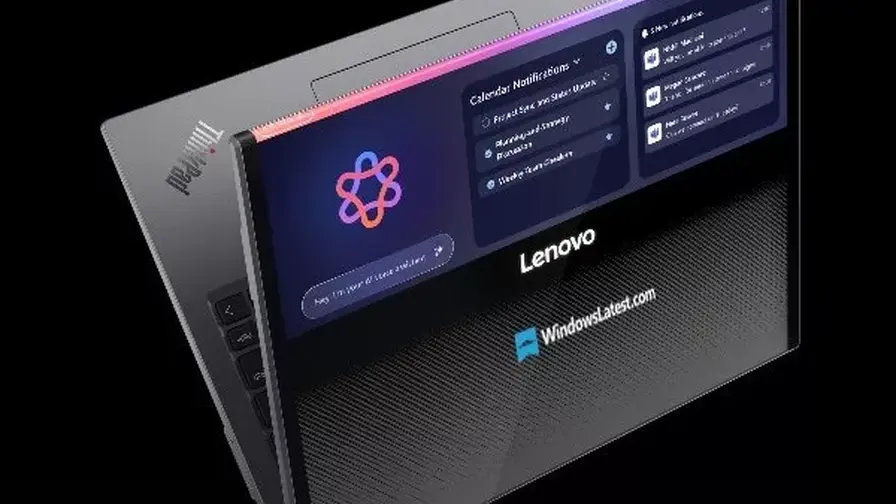
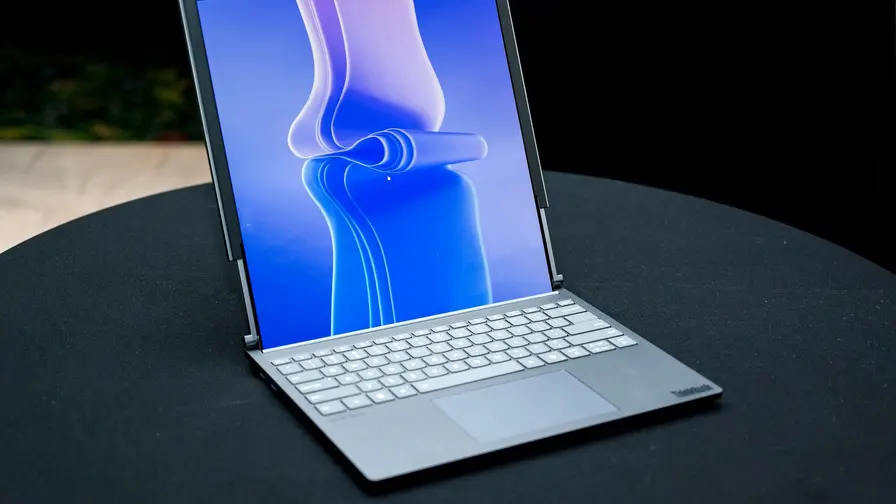
Technical roadblocks have slowed rollables far more than foldables. The engineering demands are different and tougher. A display that needs to extend reliably, then retract without damage, must balance materials science, mechanical engineering and long-term durability. Still, Samsung Display has been iterating publicly. The company showed early rollable concepts in 2023 and has since supplied panels to Lenovo for rollable laptops, proving the tech can be mass-produced at least for some device categories.

Insiders quoted by the report expect the first phone version to offer a roughly 10-inch panel with a 16:9 aspect ratio and a pixel density of around 440.6 ppi. That’s a tablet-class canvas in a pocket-sized package. If true, the rumor also suggests a follow-up model arriving around 2030—an expected cadence for a product class that will need several years to mature.
Why does Samsung care so much? Because the foldable market is getting crowded. Chinese panel makers like BOE moved fast and, at times, have overtaken rivals in foldable panel shipments. Rollables, on the other hand, remain a less crowded field. Reports claim Samsung Display currently leads in rollable development, giving it a window to dominate the emerging segment if it can turn prototypes into phones people actually want to buy.
Does that mean the market will swallow rollables whole? Not necessarily. The category faces questions beyond engineering. Software must adapt to changing screen sizes fluidly. Protective design—how you keep the extended screen safe—becomes a new challenge. And consumers need a reason to switch from a compact foldable or a large tablet. Will the convenience of a screen that grows on demand outweigh higher prices and early-stage quirks? That’s the gamble.
Samsung Electronics’ role is crucial. Even if Samsung Display ships enough panels to lead the supply chain, a convincing handset requires system-level expertise: thermal design, battery life, cameras, and user experience. The report suggests Samsung Electronics is at least exploring those pieces with its display arm, which is the logical next step if Samsung wants to convert manufacturing advantage into market share.
There’s also market timing to consider. Launching in the first half of 2028 gives Samsung time to refine the mechanics and early software behavior, and to watch how competitors react. It also lets the company capitalize on being first-to-scale for a product many have dreamed about but few have executed. If Samsung nails the launch, it could set the template for what a rollable smartphone should be.
No product is guaranteed. The history of mobile hardware is littered with innovative formats that failed to find buyers. But Samsung has already learned how to mainstream foldables. That experience—good and bad—matters here. Rollable screens are harder, yes. But having a lead in development and an ecosystem partner willing to take the risk changes the odds.
Expect skepticism. Expect hype. Expect prototypes and patent filings. And expect Samsung to keep its cards close until it’s ready to put a tape-measured, retail-ready device in front of customers. If the 2028 timeline holds, we’ll stop asking when rollables will arrive and start asking how quickly they can improve.

“I love exploring gadgets, apps, and trends that redefine how we connect, work, and play in a digital world.”

Discussion
Leave a Comment
Comments (2)
Worked with flexible panels in prototypes, they scuff easy and need way better software. If Samsung nails thermal, battery and UX, big win.
Is this even real? Rollable phone sounds amazing but how do you protect that extended screen, and battery life? Skeptical but curious.