
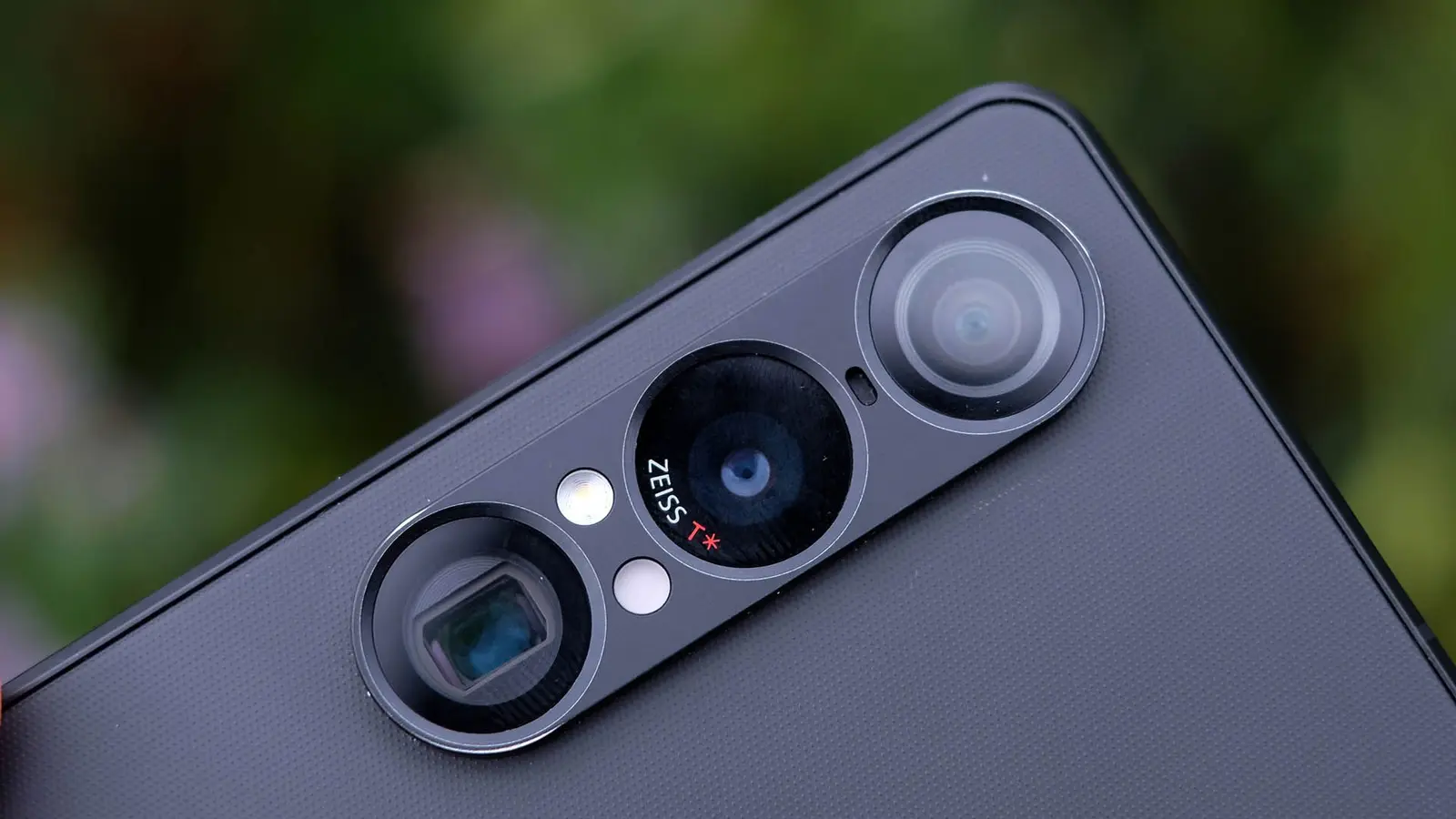
Ever tried to pinch a distant subject into focus only to find details smeared and autofocus hunting? Sony wants to change that quietly, at the pixel level.
A sharper telephoto, baked into silicon
The LYTIA 610 is a 1/2-inch stacked CMOS sensor packing roughly 64 effective megapixels, but its headline isn’t the megapixel count. It’s the way Sony rearranged optics on the sensor itself. With what the company calls an RB2x2 On Chip Lens pixel architecture, green pixels get a dedicated 1x1 lens treatment for clearer detail, while red and blue pixels sit under a 2x2 lens group tuned for phase-detection autofocus.
That mix-plus-match approach sounds simple. It is not. Sony pairs the physical layout with a tailored remosaicing algorithm so the camera can stitch color and luminance into cleaner images. The result: more than 20 percent higher spatial resolution compared with the LYTIA 601, even though the pixel size remains at 0.7 micrometers.

This should make telephoto cameras noticeably sharper without compromising autofocus performance.
But Sony did not stop at optics. The sensor’s internal processing and analog-to-digital conversion have been revamped to read data at roughly double the speed of the previous 1/2-inch generation. That gain unlocks practical benefits: sustained 4K recording at up to 120 frames per second for smoother slow motion, and 4K 60fps with HDR for challenging lighting across highlights and shadows. Faster readout also narrows the timing gap between primary and secondary modules in multi-camera phones, reducing visible jumps when switching lenses during video capture.
Why will phone makers care? Because delivering sharper telephoto images usually meant a trade-off—better detail often came at the cost of reliable autofocus. Sony’s design attempts to split that difference by delegating resolution duties to green pixels while keeping color and phase detection where they matter most. The net effect should be clearer long-range shots, steadier tracking, and fewer compromises in hybrid zoom systems.
.avif)
Physically the LYTIA 610 supports MIPI C-PHY and D-PHY outputs, and Sony says mass production shipments will begin by the end of June 2026. Expect handset designers to test this sensor first in devices that prioritize zoom and video performance.
Not every phone needs a 64MP telephoto. But for manufacturers chasing cleaner zooms and higher-frame-rate video without rethinking lens stacks, this sensor offers a pragmatic path forward. Keep an eye on device previews later this year; sharper distant subjects may arrive without you noticing how the fix was engineered.


“I cover emerging technologies, digital innovation, and the intersection of tech and everyday life. My goal is to make complex trends accessible and inspiring.”

Discussion
Leave a Comment
Comments
No comments yet. Be the first.