
Trump meeting fails to produce revised CLARITY Act text
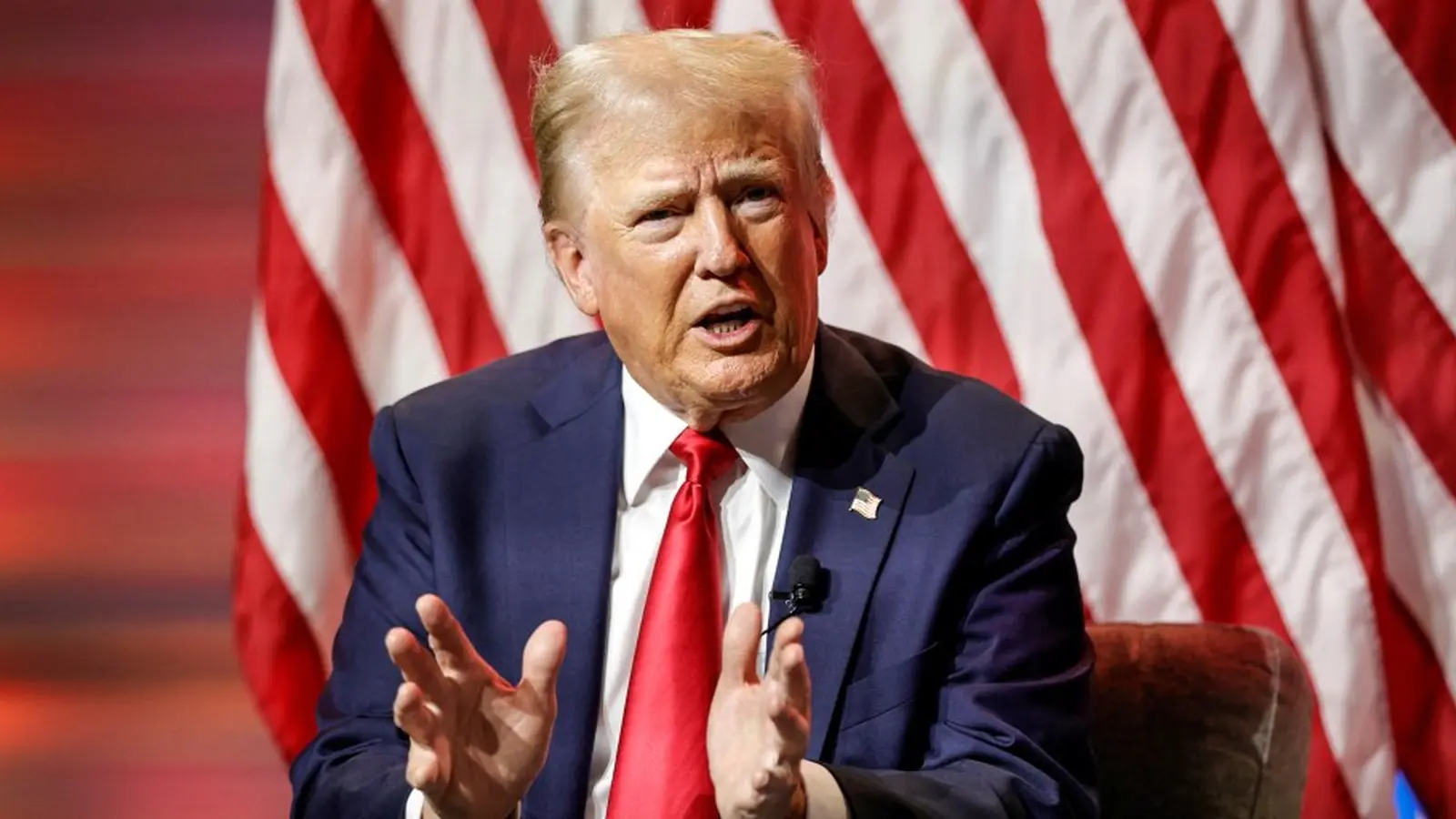
President Donald Trump’s recent meeting with Senate Republicans did not resolve the impasse over the CLARITY Act, and updated legislative language still has not been released. The continued delay has shaken confidence in the bill’s prospects for 2026, with prediction markets trimming the likelihood of passage.
Polymarket cuts 2026 passage odds
Polymarket traders have reduced the probability that the CLARITY Act will become law in 2026 to 32%. The drop reflects growing skepticism that negotiators can craft a version of the crypto bill that secures bipartisan support, particularly amid sustained Democratic concerns about ethics and consumer protections tied to the legislation.
White House meeting leaves bill text unavailable
Journalist Eleanor Terrett reported on X that after Thursday’s White House meeting, no updated CLARITY Act text had been made available. Republican senators met with the president to discuss ethics provisions linked to the proposal, but industry stakeholders now expect the draft language to surface next week, prolonging a delay around one of Washington’s most closely watched crypto policy initiatives.
The meeting had raised expectations that draft language would be released promptly. Senator Bernie Moreno told reporters that a text would follow once the president received a briefing, remarking that journalists would have "a lot of reading to do." Senator Cynthia Lummis also expressed hope the White House discussion would lead to public language, though she offered no firm timetable.

Legislative path and Republican aims
The House passed its version of the CLARITY Act in 2025, signaling bipartisan interest in clearer frameworks for digital assets and blockchain innovation. However, Senate negotiators have been drafting separate language focused on crypto market structure, enforcement, and industry compliance. Any final measure will require enough votes in the Senate to reconcile with the House bill.

Republican supporters argue the CLARITY Act would strengthen law enforcement tools against illicit finance, enable faster interdiction between exchanges and investigators, and preserve money-laundering charges while supporting crypto-market growth. Senator Lummis described the bill as designed to give investigators more efficient mechanisms to freeze illicit funds and accelerate enforcement timelines.
House informational hearing
In New York, Republican members of the House Financial Services Committee scheduled an informational hearing to discuss how the CLARITY Act could support digital-asset innovation. The event is not expected to affect the Senate’s technical negotiation process, but it demonstrates continued industry and congressional interest in defining a U.S. regulatory framework for cryptocurrencies and blockchain markets.
Democratic ethics concerns remain the main obstacle
Democratic negotiators continue to push for stricter ethics language and stronger consumer protections. Senator Ruben Gallego, a leading Democratic negotiator, told POLITICO that the ethics provisions proposed by Republicans were insufficient, especially given President Trump’s commercial interests in the crypto sector. Gallego said the draft delivered to Democrats was "very weak," offering the president substantial flexibility while failing to provide the oversight Democrats seek.
According to a Democratic Senate aide, the version discussed at the White House was not reviewed or approved by Democratic senators. That lack of concurrence prevents Republicans from presenting the proposal as a truly bipartisan compromise and leaves the timeline for release and a potential Senate vote uncertain.
Senator Cory Booker has emphasized the necessity of cross-party cooperation, urging negotiators to complete their discussions before circulating a new draft. Booker said bipartisan collaboration is the only viable path to meaningful crypto legislation in this Congress.
What to watch next
- Whether Republicans can finalize ethics language that attracts Democratic support.
- The timing and content of any revised CLARITY Act text once it is released.
- How Polymarket and other prediction markets react to new developments — a bellwether for legislative momentum.
- Industry reactions from major exchanges and blockchain companies as the bill’s provisions become clearer.
For crypto industry stakeholders, lawmakers, and investors, the CLARITY Act represents a critical junction: it could define how the U.S. regulates digital assets, balances innovation with consumer protection, and addresses the intersection of political ethics and blockchain policy. With the text delayed and partisan differences unresolved, the bill’s fate in 2026 remains uncertain.

“With a background in economics and digital markets, I write about startups, finance, and the trends transforming the global economy.”

Discussion
Leave a Comment
Comments (2)
Is this even true? Dems say they havent seen the draft, GOP says ethics fixed. If thats real then who trusts the process anymore... feels half baked, or just politics?
wow, more theatre than lawmaking... 32%? this feels like smoke and mirrors, they hype a meeting then no text. industry left hanging, ugh