
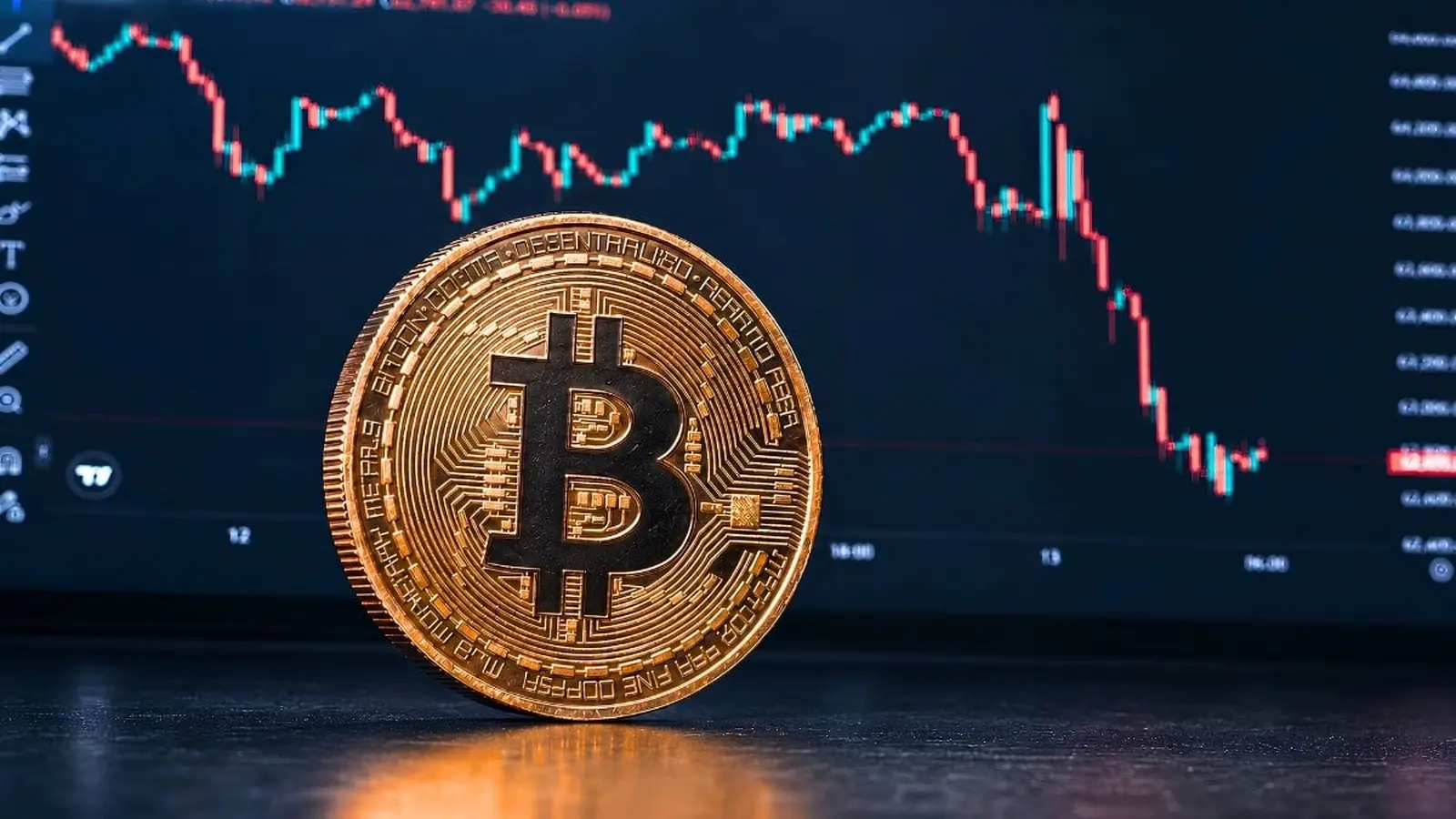
Trump announcement sends Bitcoin toward $62K amid Hormuz tensions
President Donald Trump’s declaration that the United States will reassert control over shipping in the Strait of Hormuz and impose new transit charges coincided with renewed weakness in Bitcoin, which dropped more than 2% and traded near $62,240 at the time of reporting. The move — framed by the president as a protection of global maritime traffic — has reverberated through risk assets and crypto markets as investors reassess geopolitical risk around a critical energy corridor.
What Trump announced
In a July 13 post on Truth Social, Trump said the renewed blockade will target only Iranian vessels and customers while allowing other countries continued access to the passage. He declared the U.S. role in the region with the phrase, "THE GUARDIAN OF THE HORMUZ STRAIT," and said Washington will charge a 20% cargo reimbursement on shipments protected by U.S. forces. According to the statement, the fee is intended to cover the cost of securing the waterway and will take effect immediately.
This announcement follows earlier proposals from the Trump administration to take operational control of the chokepoint and to introduce transit fees — proposals that surfaced after Tehran had reportedly considered imposing tolls of its own.
Market reaction: Bitcoin price action and technical signals
Bitcoin’s decline extended from the week’s highs above $64,000 as the sudden spike in geopolitical risk pressured crypto sentiment. The flagship cryptocurrency slipped below $63,000 and was changing hands near $62,240, down roughly 3% on a 24-hour basis.
Technical indicators point to fading bullish momentum. BTC failed to hold above the 78.6% Fibonacci retracement level around $63,200 and also moved back below the 50-day simple moving average near $64,650. The price remains confined to a descending channel that has been in place since May, while longer-term moving averages — the 100-day and 200-day SMAs — sit substantially higher at approximately $70,700 and $73,800, respectively.

Bitcoin daily price chart — July 13

Despite the pullback, the Chaikin Money Flow (CMF) indicator remains slightly positive at around 0.06, signaling that capital inflows have not completely evaporated. Still, resistance in the $63,200–$64,600 range has repeatedly capped recovery attempts. Near-term support lies around the 20-day moving average at about $61,870, followed by the psychologically important $60,000 level.
Prediction markets reflect lower odds for Hormuz reopening
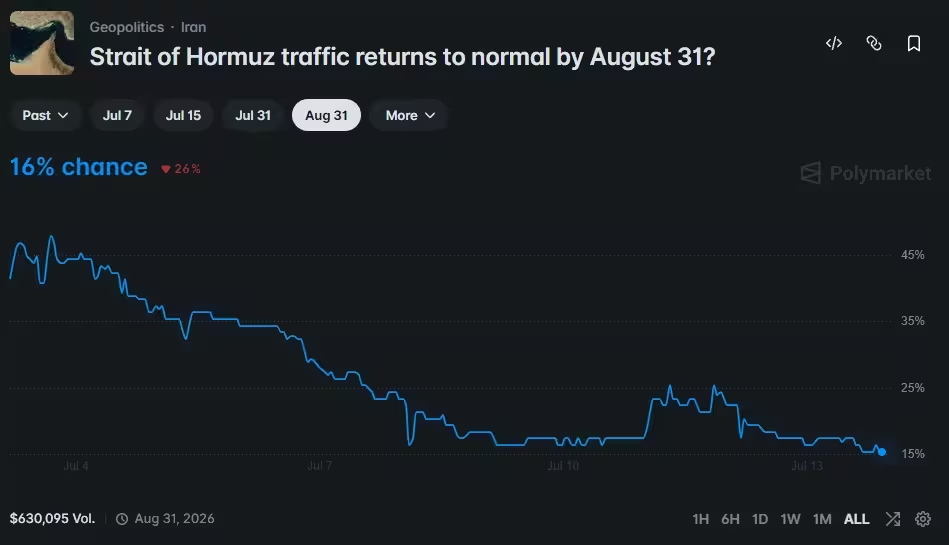
Crypto prediction markets have reacted swiftly. Data from Polymarket show that traders now assign only a 16% probability that maritime traffic in the Strait of Hormuz will normalize by Aug. 31. That is a sharp drop from near 48% earlier this month, underscoring growing market skepticism after the end of the ceasefire and renewed incidents near the chokepoint.
The deterioration in probabilities has followed a series of escalations between Washington and Tehran. Iranian naval authorities reportedly announced the Strait would remain closed until further notice, and several vessels operating in the area were struck in recent days as Tehran seeks to reinforce control over the oil transit route.
Crypto investors weigh geopolitical risk and liquidity flows
For cryptocurrency traders and institutional allocators, heightened tensions in a vital global shipping lane translate into an uptick in perceived tail risk. Risk-off flows typically hit volatile assets like Bitcoin, especially when sudden geopolitical headlines drive uncertainty about oil supply, shipping insurance costs, and broader macroeconomic spillovers.
On-chain metrics and sentiment indicators will be watched closely in the coming days to gauge whether the current pullback is a short-lived reaction or the start of a deeper retracement. Market participants will also track changes in open interest across derivatives venues, stablecoin flows, and capital movement signals such as the CMF to detect whether buyers return or sellers intensify their bids.
Outlook
With the United States moving to charge transit fees and asserting military protection for the strait, investor attention remains fixed on diplomatic and military developments in the region. If tensions escalate further or if maritime disruptions persist, expect continued pressure on Bitcoin and other risk assets. Conversely, any credible de-escalation or diplomatic breakthrough could remove a key headwind for crypto markets and help restore upward momentum.

Traders and crypto investors should monitor price action around the $61,800–$63,200 band, derivative positioning, and news feeds for developments in the Strait of Hormuz that could quickly shift market sentiment.

“I cover automotive innovation, electric vehicles, and the future of mobility — where technology meets sustainability.”

Discussion
Leave a Comment
Comments (2)
feels like posturing not real policy, BTC dip looks overhyped. oil jitters could fade tho, watch levels.
Is this even real? 20% transit fee to 'protect' shipping... markets will panic, BTC drops make sense, imo