
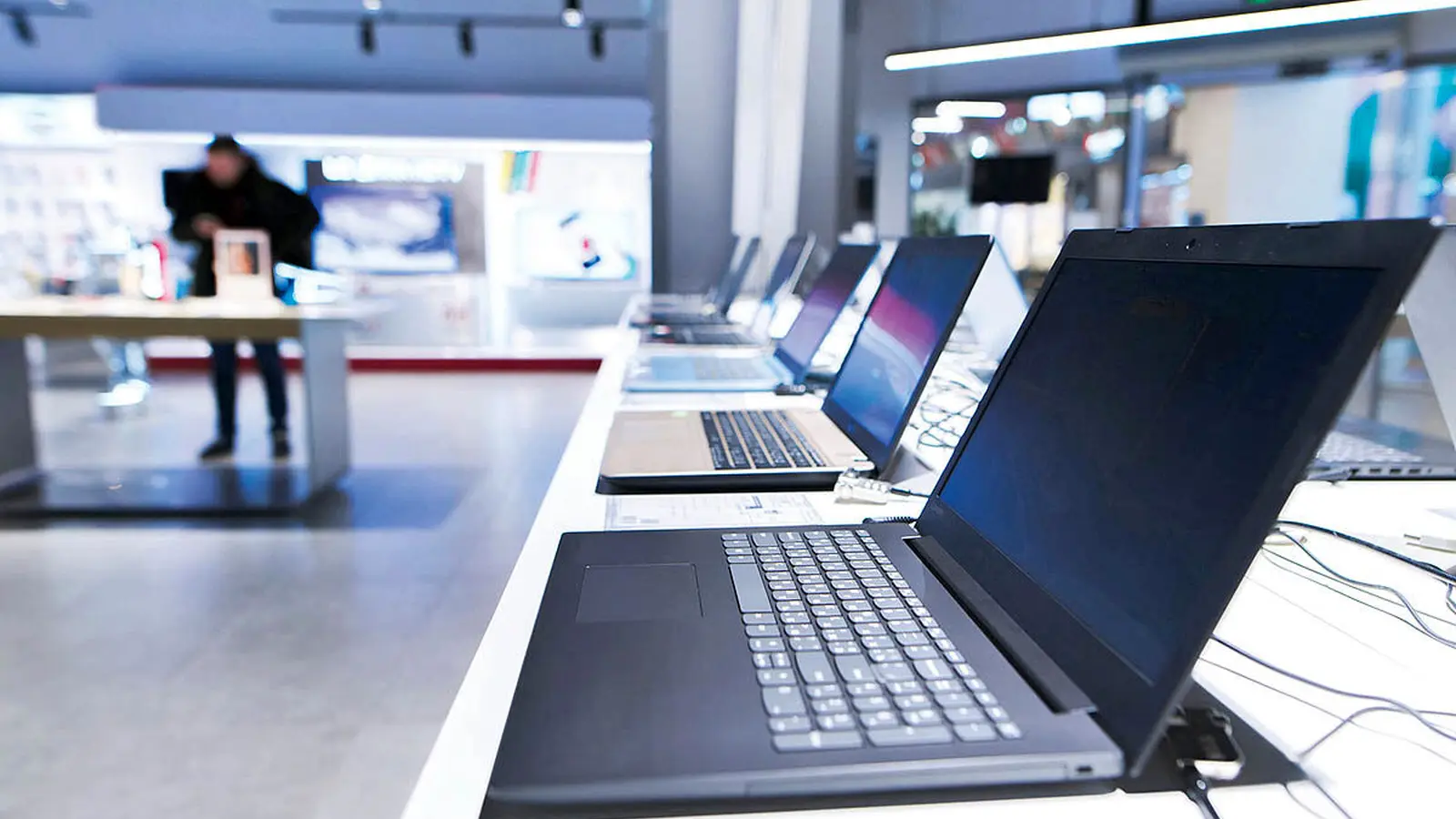
A fresh IDC update has raised alarms: a global shortage of RAM could shrink the PC market and push device prices higher in 2026. What began as a supply shuffle for data centers may now ripple into consumer laptops, desktops and phones.
Why RAM is suddenly scarce
The crisis isn't a typical cyclical blip. Memory makers have been reallocating production away from consumer DDR5 modules toward more profitable, enterprise-focused memory types such as HBM used in AI servers. That structural shift — accelerated since mid-October — prioritizes data centers over everyday devices and has tightened the supply of mainstream RAM.
In short: manufacturers chase higher margins and capacity for AI workloads, leaving less DDR5 available for PCs and smartphones. The result is a squeeze on parts that account for a significant share of manufacturing cost for these devices.
What the shortage means for buyers and the market
IDC’s worst-case scenario is stark: global PC shipments could drop as much as 9% in 2026, a far steeper decline than last month’s 2.5% estimate. The mobile market isn’t immune either — analysts say smartphone volumes could contract by up to 5% as vendors either raise prices or dial back specs.

Consumers can expect average PC prices to climb roughly 6–8% as memory costs get passed on. Ironically, the same era that promised growth — driven by the end of Windows 10 support and the push for “AI PCs” — now faces higher costs because AI-capable machines demand larger memory configurations (commonly 16–32GB or more).
That creates a bitter paradox: users are asked to pay a premium for AI-ready features that many haven’t widely adopted yet, turning memory inflation into an almost mandatory surcharge for functions people didn’t explicitly request.
Winners and losers
Bigger OEMs such as Dell, HP and Lenovo are relatively insulated thanks to long-term contracts and fuller inventories. Smaller brands, boutique builders and DIY gamers — who rely on open market RAM pricing — will likely feel the pinch most acutely.
- PC shipments: potential drop up to 9% in 2026.
- Smartphones: possible market contraction around 5%.
- Average PC prices: rise of roughly 6–8% expected.
For consumers weighing upgrades, consider delaying nonessential purchases, hunting for last-season inventory, or choosing models from large OEMs that may be less affected by spot-price swings. Keep an eye on memory market signals — eventually production will rebalance, but timing remains uncertain.
What was poised to be a banner year for PC hardware now looks tougher: industry momentum collides with a memory supply shift driven by the AI boom, and that collision could reshape device pricing and availability throughout 2026.

“I cover emerging technologies, digital innovation, and the intersection of tech and everyday life. My goal is to make complex trends accessible and inspiring.”

Discussion
Leave a Comment
Comments
No comments yet. Be the first.