
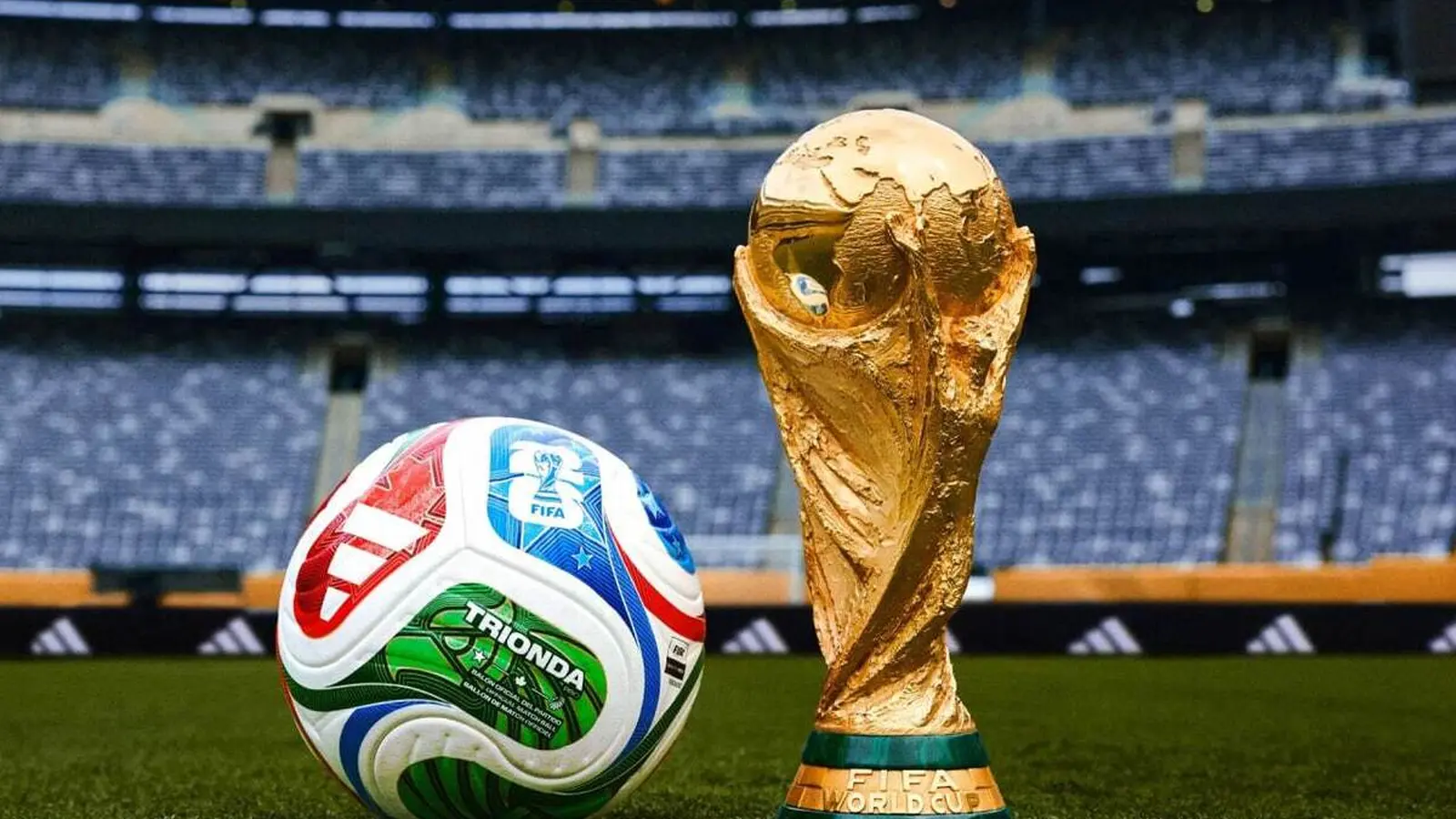
A flash of green, yellow and pink landed on the Google homepage and it had football fans smiling. The company unveiled a special Doodle to mark the countdown to the 2026 World Cup, and it’s nothing if not playful.
The illustration centers on a player frozen mid-rabona, that audacious flick of the leg that says confidence, not caution. It’s a small scene but it tells a bigger story: the World Cup isn’t just about scores and statistics. It’s about style, crowd moments and those highlight-reel moves that get replayed for years.
When a logo behaves like street art
Doodles have become Google’s way of bending the search homepage into a cultural bulletin board. Today’s artwork keeps that tradition alive. The color palette feels celebratory rather than literal — a leafy green, a warm yellow and a pop of pink suggest jerseys, confetti and summer heat without being a direct copy of any nation’s kit.

Practical note for some readers: the custom Doodle isn’t visible to users on Iranian IP addresses. If you’re browsing from Iran and want to see it, a VPN is required to load the special artwork.
Why deploy a rabona? Because it’s drama wrapped in athletic skill. It catches the eye. It invites conversation. Google knows how to create a quick, emotional connection with millions of people who open the search bar every day.
There’s also a strategic angle. These celebratory logos are an easy way to mark global moments and guide traffic toward timely searches — match schedules, ticket info, and streaming options. For readers, a Doodle is often the first hint that something big is happening, and the tiny animation can spark a chain of curiosity: where to watch, who’s playing, which cities will host.
Whether you love the sport for tactics or theater, today’s Doodle does its job. It announces the World Cup as a festival of flair. It nudges the internet to look up, to check fixtures and to dream about the next spectacular goal.
Credit: Amir Abdolmaleki. The Doodle appeared on Sunday, June 14, 2026 and will be visible on Google’s web and mobile homepages in most regions.

“I cover emerging technologies, digital innovation, and the intersection of tech and everyday life. My goal is to make complex trends accessible and inspiring.”

Discussion
Leave a Comment
Comments
No comments yet. Be the first.