
3 Minutes
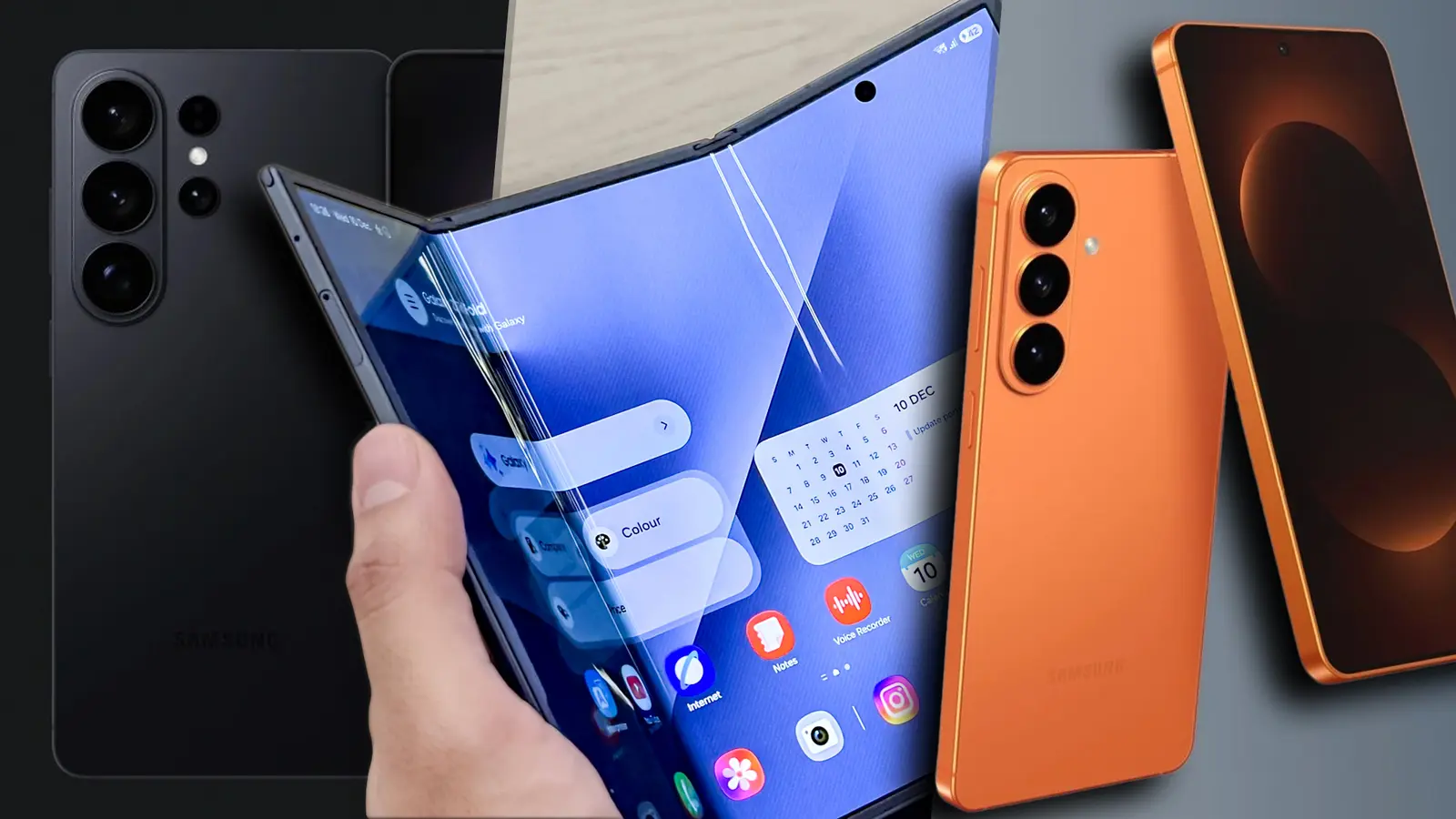
Samsung may be about to make a move many buyers have been dreading: higher prices across its Galaxy phone, tablet and laptop ranges. Industry chatter points to rising component bills — especially memory — as the main trigger, with the ripple effects reaching mid-range handsets and flagship devices alike.
Why Galaxy prices may climb in 2026
The biggest pressure comes from memory. The explosive growth of generative AI has driven strong demand for high-bandwidth memory used in data centers and AI accelerators. That demand has tightened overall memory supply and pushed up prices not only for HBM but also for conventional DRAM and NAND used in consumer devices. In plain terms, Samsung and other manufacturers are paying more to source the RAM and storage that keep phones and laptops competitive.
Memory is far from the only cost driver. OLED display panels, advanced camera modules and other premium components have grown pricier. Add higher labor costs and escalating marketing spend as competition intensifies, and the margin squeeze becomes clear — especially for mid-range models where margins are already thin.
- Memory shortages and higher chip prices
- Costlier OLED panels and camera systems
- Rising labor and marketing expenses
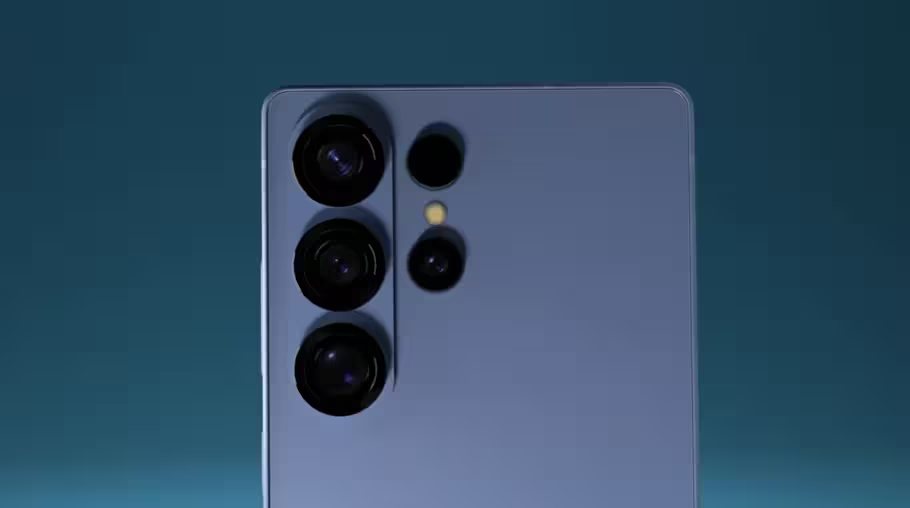
Analysts now expect the memory supply situation to remain tight well into 2027, which suggests any price relief for consumer devices could be some way off.
What does that mean for buyers? In markets such as India, Samsung is reportedly eyeing price increases of up to ₹2,000 on some Galaxy A-series models. The upcoming Galaxy S26 lineup is also widely expected to debut at higher price points than the current S25 family. For people thinking about an upgrade, that makes current offers more attractive — at least for the moment.
Indeed, many Samsung products are still selling with temporary discounts during seasonal sales. Recent promotions have trimmed prices on devices like the Galaxy Z Fold 7, Galaxy S25 Ultra, Galaxy Watch 8 and Samsung's OLED TVs across several regions. Those deals may be among the last opportunities to buy certain models before a broader price reset.
So should you wait or buy now? If you need a device today, the discounts make a strong case for purchasing now rather than betting on lower prices later. If your upgrade can wait and you prefer the newest releases, be prepared for steeper entry prices when the S26 and refreshed lines arrive.
In short, rising component costs driven by AI demand and constrained supplies are reshaping smartphone pricing. Samsung is not immune to these macro trends, and consumers may see the impact on Galaxy price tags in 2026 and beyond.
Source: gizmochina



Leave a Comment