
2 Minutes
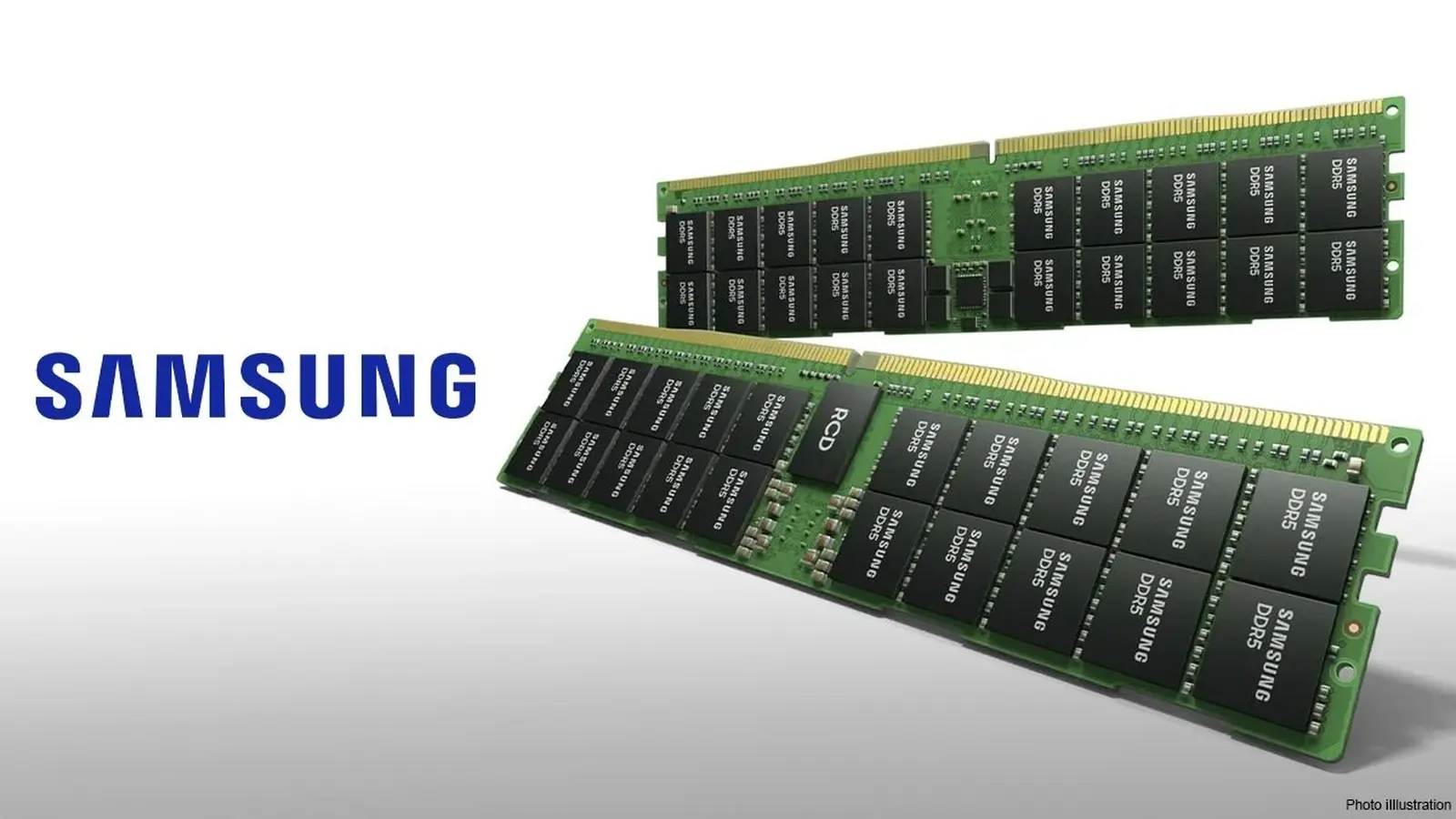
Samsung has raised contract prices for both DDR5 and DDR4 memory, erasing the cheaper fallback manufacturers have relied on as DRAM costs climb. The move tightens supply and pushes memory costs higher across the board.
Why this matters to builders, OEMs and shoppers
Industry reports from Taiwan, cited by Jukan on X, indicate Samsung boosted DDR5 contract prices by more than 100%, putting many modules near $19.20 each. At the same time, 16GB DDR4 modules are reportedly trading around $18 — a much smaller spread than before. That shrinks DDR4’s long-standing role as the budget choice for system builders, laptop brands and device makers.
These contract-rate changes primarily affect OEMs that buy memory in large volumes, but the impact is likely to filter down. Laptop makers could either raise retail prices or ship lower base RAM in 2026 models. Smartphone makers may be pushed toward smaller base configurations or higher prices, as more phones ship with larger RAM capacities.

Spot-market data suggests little relief: DDR5 spot prices worsened through December and DDR4 spot costs are rising too. In practice, a price gap that once let manufacturers use DDR4 as a cost-saving option is narrowing fast — so even mid-range and budget devices could face higher bills.
What to expect next
Market watchers are braced for further increases in Q1 2026, with analysts not expecting meaningful easing until possibly 2027. That timeline means DRAM will remain a major variable in device pricing and product planning for the next year. Some vendors, including Samsung’s Galaxy A-series lines, have already adjusted prices upward.
For consumers that means upgrades may cost more and base configurations could change. For OEMs, it’s a squeeze: either absorb rising memory costs, trim features, or pass them on. In any case, the memory market’s shifts will be a key trend in hardware pricing and product strategies through 2026.
Source: gizmochina



Leave a Comment