
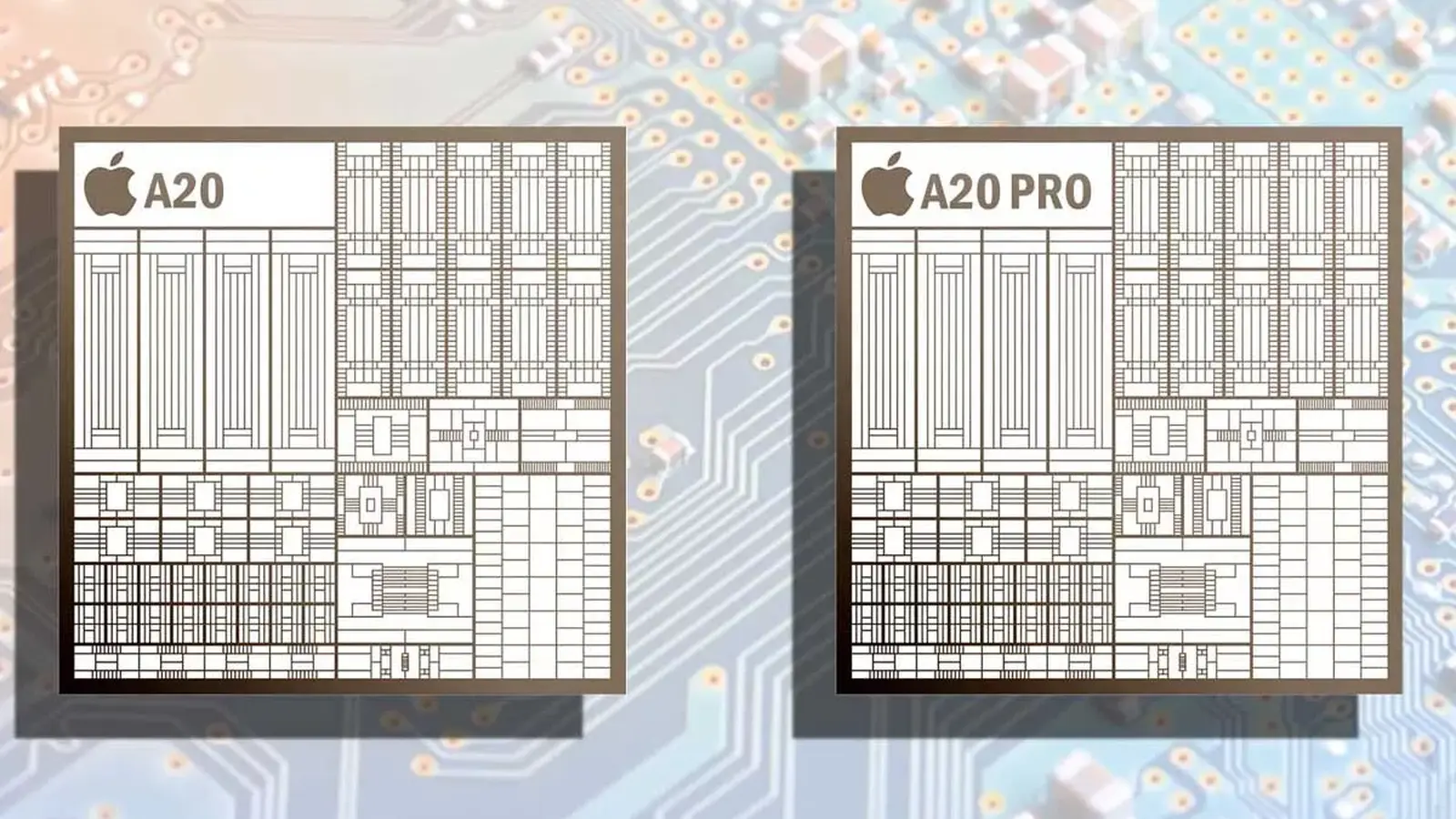
Apple's next-generation A20 chip, expected to power the iPhone 18, could drive a major shift in smartphone pricing. Early forecasts suggest production costs could climb sharply as the industry moves to a 2nm node and more advanced transistor designs.
Why the A20 might be so expensive
Industry leaders Samsung and TSMC have announced mass-production readiness for 2nm chips. That leap promises lower power draw and higher performance — crucial for on-device AI and demanding mobile workloads — but it also brings higher manufacturing costs. Reports indicate the A20 could cost around $280 per unit to produce, roughly 80% more than the A19 used in the iPhone 17.
Several factors are driving that rise. First, the move to 2nm and the adoption of GAA (gate-all-around) transistor architecture require new production processes and tooling. Second, memory prices, especially for high-performance RAM, have surged, adding directly to chip BOMs. And third, multiple suppliers including Apple, Qualcomm, and MediaTek have already placed orders with TSMC for 2nm capacity, raising demand at a time when supply lines are still adjusting.
The upside is meaningful: GAA lets current flow more uniformly across transistor structures instead of relying on a few channels, improving energy efficiency and performance. For users, that can translate into faster AI features, smoother multitasking, and longer battery life — selling points Apple and other vendors will likely lean on if costs push retail prices higher.
- Estimated A20 unit cost: about $280
- Reported increase vs A19: ~80%
- Key tech: 2nm process, GAA architecture
- Potential benefits: better AI performance and improved battery life
Will consumers accept higher prices for noticeably better battery life and on-device AI? That will be the test for Apple and the broader smartphone market as the 2nm era begins to roll out.

“I cover emerging technologies, digital innovation, and the intersection of tech and everyday life. My goal is to make complex trends accessible and inspiring.”

Discussion
Leave a Comment
Comments
No comments yet. Be the first.