
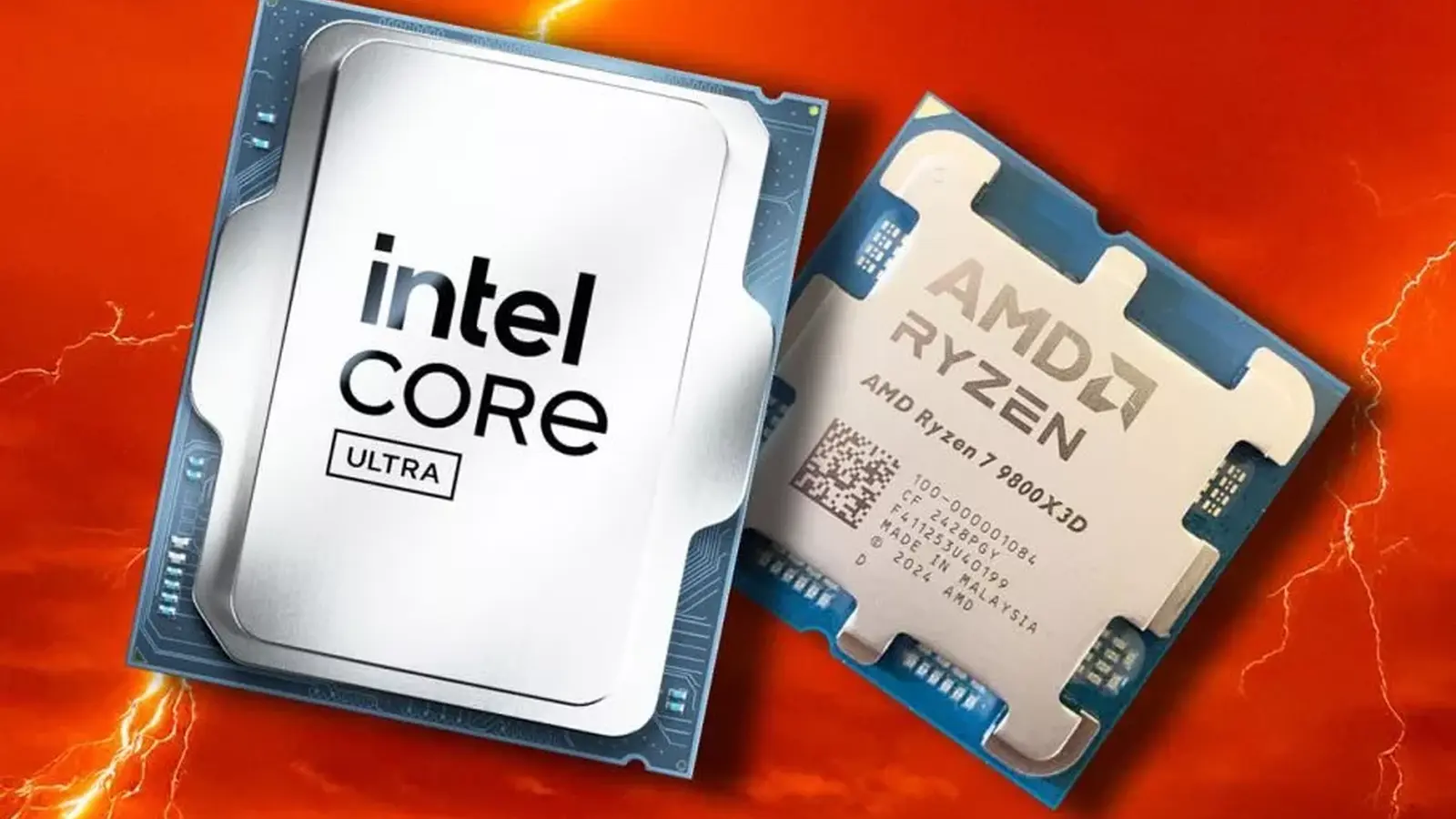
Steam's final 2025 hardware survey reveals a fast surge for AMD, narrowing the gap with Intel and reshaping PC gaming hardware trends as memory prices climb.
AMD closes in — faster than expected
December 2025 data from Steam shows AMD capturing roughly 47% of reported desktop CPU usage among respondents, up from about 42% in November. Intel still sits near 55%, but the margin between the two has shrunk from roughly 13 points to around 8 points in just one month. Analysts had predicted AMD would gain share over time — what’s surprising is the speed of the move, making an AMD lead in gaming PCs a real possibility in 2026.
One driver behind the shift is the spike in DDR5 memory prices. Higher RAM costs have pushed price-conscious buyers toward older, well-performing AMD processors like the Ryzen 5800X, which have reappeared on bestseller lists as solid upgrade choices for systems that don’t require the newest memory standards.

GPU, OS and memory trends on Steam
Nvidia still dominates the graphics market: the GeForce RTX 3060 is the most common desktop GPU at about 6.53% share, while the RTX 4060 (laptop) tops the laptop GPU list. On operating systems, Windows 11 leads with roughly 70% of Steam users, followed by Windows 10 at 26%. macOS and Linux account for roughly 1.86% and 3.19% respectively.
Memory configurations are interesting: about 40% of Steam users report 16GB of RAM, and nearly 39% report 32GB. Despite record-high RAM prices, the proportion of systems with 32GB rose by roughly 2% in recent weeks. Steam’s public data doesn’t separate DDR4 from DDR5, so we can’t tell which generation is behind that growth. For graphics memory, roughly 32% of machines report 8GB VRAM and about 18% report 12GB.

What does this mean for gamers and builders? AMD’s momentum on Steam suggests the company is reclaiming ground in the gaming-PC segment, Nvidia remains the go-to GPU choice, and volatile RAM prices are directly shaping upgrade behavior. Whether AMD completes a full overtake of Intel next year will hinge on product cycles, supply, and how quickly memory prices normalize.


“I cover emerging technologies, digital innovation, and the intersection of tech and everyday life. My goal is to make complex trends accessible and inspiring.”

Discussion
Leave a Comment
Comments
No comments yet. Be the first.