
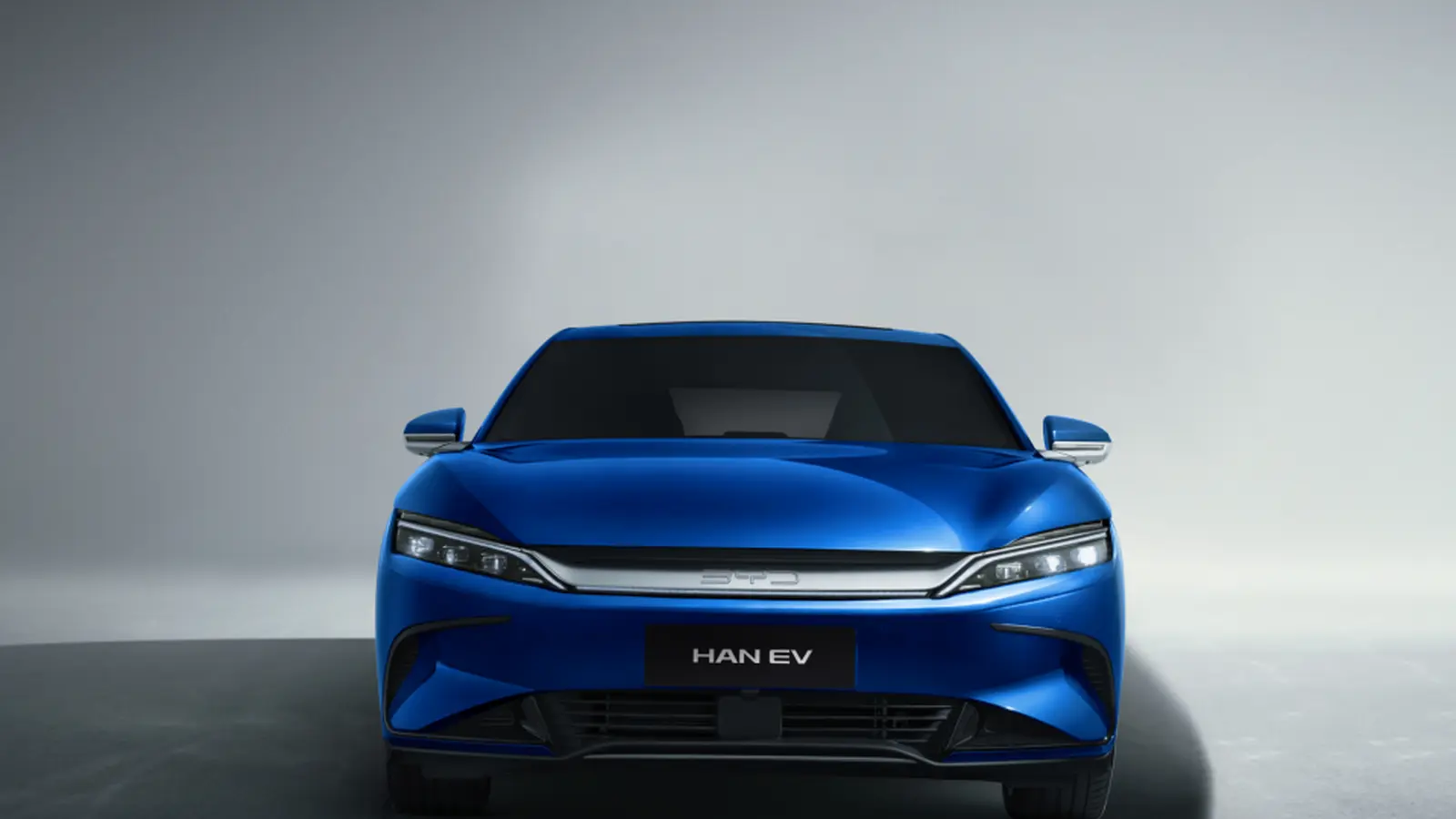
Canada is set to dramatically lower import tariffs on Chinese electric vehicles, dropping the duty from 100% to 6.1% under a new preliminary trade agreement with China. In exchange, China will cut its tariff on Canadian canola seed exports from 84% to roughly 15%—a major shift that links the fast-growing EV market to broader commodity trade.
A sharp turn from the U.S. and Mexico on Chinese EVs
The decision puts Canada on a different path than its North American neighbors. The United States continues to apply a 100% tariff on Chinese EVs, a level that effectively blocks most new Chinese electric cars from competing in the American market. Mexico, meanwhile, is sitting at a 50% tariff after increasing its rate last year.
That divergence matters for automakers and buyers alike. With Canada easing access, the country could become a key entry point for Chinese EV brands looking to expand across North America—especially as global EV production scales and competition intensifies.
Import caps: how many Chinese electric cars can enter Canada?
Under the outlined framework, Canada would allow:
- Up to 49,000 Chinese EVs initially
- A higher ceiling of 70,000 units after five years
Prime Minister Mark Carney described the agreement as “preliminary,” signaling that details could still evolve.
Why Chinese EVs could appeal to Canadian drivers
Chinese EV manufacturers are widely seen as cost leaders, in part due to industrial policy support and scale-driven supply chains. That often translates into aggressive pricing and strong value—something that resonates in a market where monthly payments, charging costs, and total cost of ownership drive purchase decisions.
While the deal doesn’t name specific models, the broader category includes compact EVs and electric crossovers that typically compete on:
- Price per kilometer of range
- Standard tech features (large infotainment screens, driver-assist suites)
- City-focused efficiency and packaging
Will cheaper EV imports hurt Canada’s auto industry?
Carney downplayed the potential disruption, arguing that even the expanded quota would represent a small share of Canada’s overall vehicle market. As he noted, Canadians purchase about 1.8 million vehicles annually—making the initial intake a “low, single-digit” proportion of the sector.
In practical terms, the move could put downward pressure on EV pricing, potentially nudging established automakers to sharpen incentives, offer better trims at lower price points, or accelerate new battery-electric launches.
A geopolitical and market signal
Carney said Canada’s relationship with China has become “more predictable” in recent months, suggesting the agreement is also about stability and results. With China remaining Canada’s second-largest trading partner after the United States, the deal signals a new willingness to separate Canadian EV policy from Washington’s playbook—at least for now.
For Canadian consumers, the headline is simple: more electric vehicle choice may be coming, and it could arrive at prices that reshape expectations in the EV segment.

“Blockchain and fintech are reshaping finance. I break down market trends, regulations, and innovations for a global audience.”

Discussion
Leave a Comment
Comments (2)
Wow didnt expect Canada to split from US on this. Risky move, could push prices down quick.. hope charging infra keeps up, and dealers dont pull shenanigans
Wait Canada really cuts EV tariffs to 6.1%? sounds like a backdoor for cheap Chinese cars, but what about safety standards, local jobs, resale value? curious...