
3 Minutes
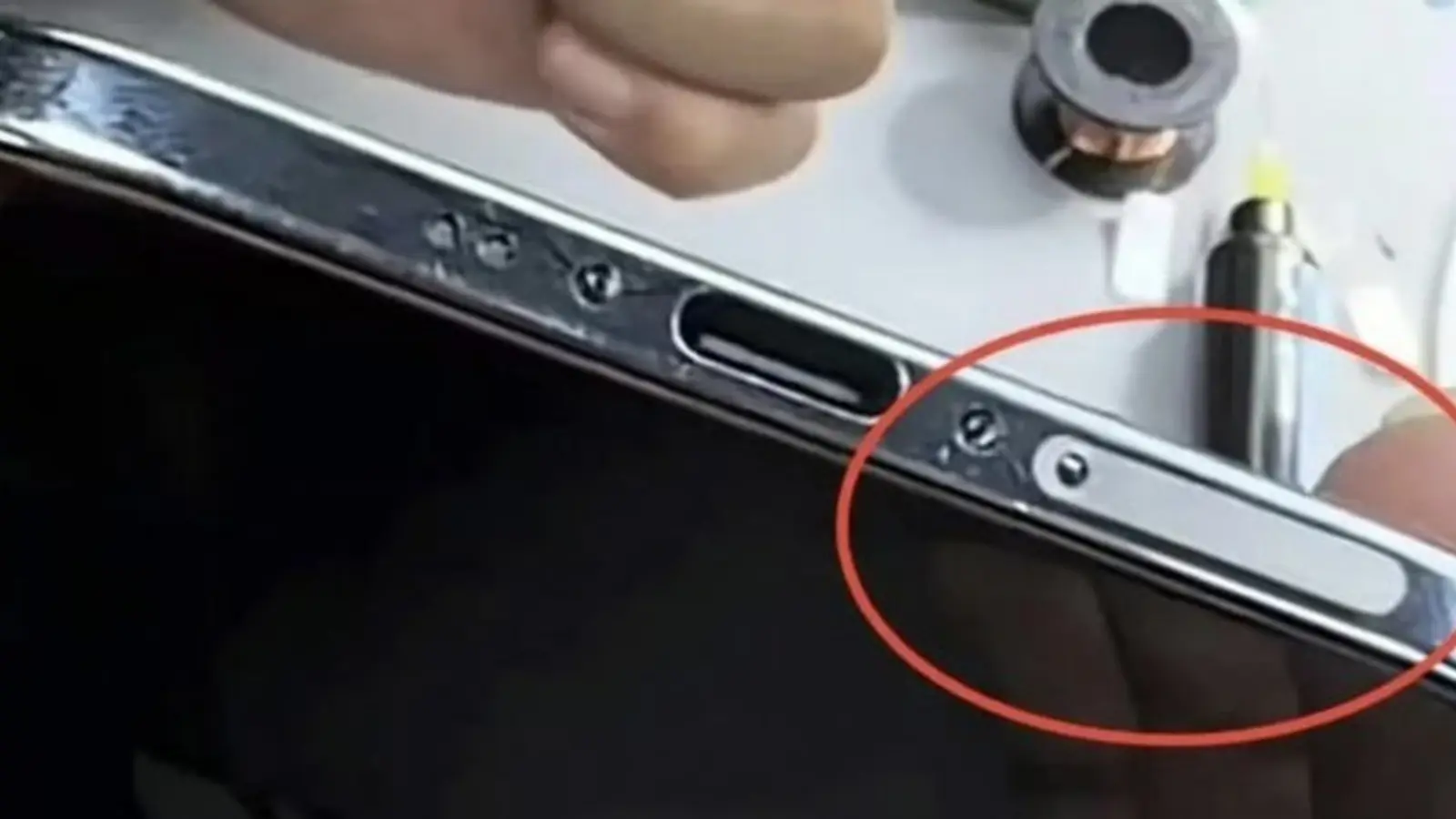
A Shenzhen electronics shop has reportedly converted Apple's eSIM-only iPhone Air into a phone that accepts a physical SIM card. Images circulating from Huaqiangbei show the handset with a freshly fitted SIM slot beside the USB-C port — and the device appears to be fully functional.
How they squeezed a SIM into an eSIM phone
According to the limited information available, the mod began with one clever trade-off: the original Taptic Engine vibration motor was swapped for a much smaller unit. That freed up just enough internal room to add a SIM card reader and carve a physical slot where there was none before. Enthusiasts shared photos showing the phone using a China Telecom SIM, placing calls and connecting to 5G data without obvious issues.
Perhaps most surprising, early reports claim the modified iPhone Air retained its IP68 ingress protection rating despite the hardware surgery. If true, that suggests careful sealing around the new slot and a thoughtful rework of internal components — not a crude, exposed hack.

Why this matters — and why to stay cautious
For users in regions that still prefer physical SIMs, a retrofit like this answers a clear demand: convenience, carrier compatibility, and the tactile assurance of a removable SIM. But there are trade-offs. This kind of modification almost certainly voids warranty, may affect long-term reliability, and carries legal and safety considerations. We don’t know whether the modder tested the phone extensively or whether similar conversions will be offered at scale.

So what should you take away? It’s an impressive technical feat that highlights the creativity found in Shenzhen’s hardware markets, but it’s not an official fix or an aftermarket alternative for most users. If you value warranty coverage, resale value, and predictable behavior, sticking with Apple’s original configuration remains the safer choice.
Still curious? This story raises bigger questions about device design and regional preferences: will manufacturers ever offer hybrid options again, or will eSIM-first designs become the global norm?
Source: gsmarena



Leave a Comment