
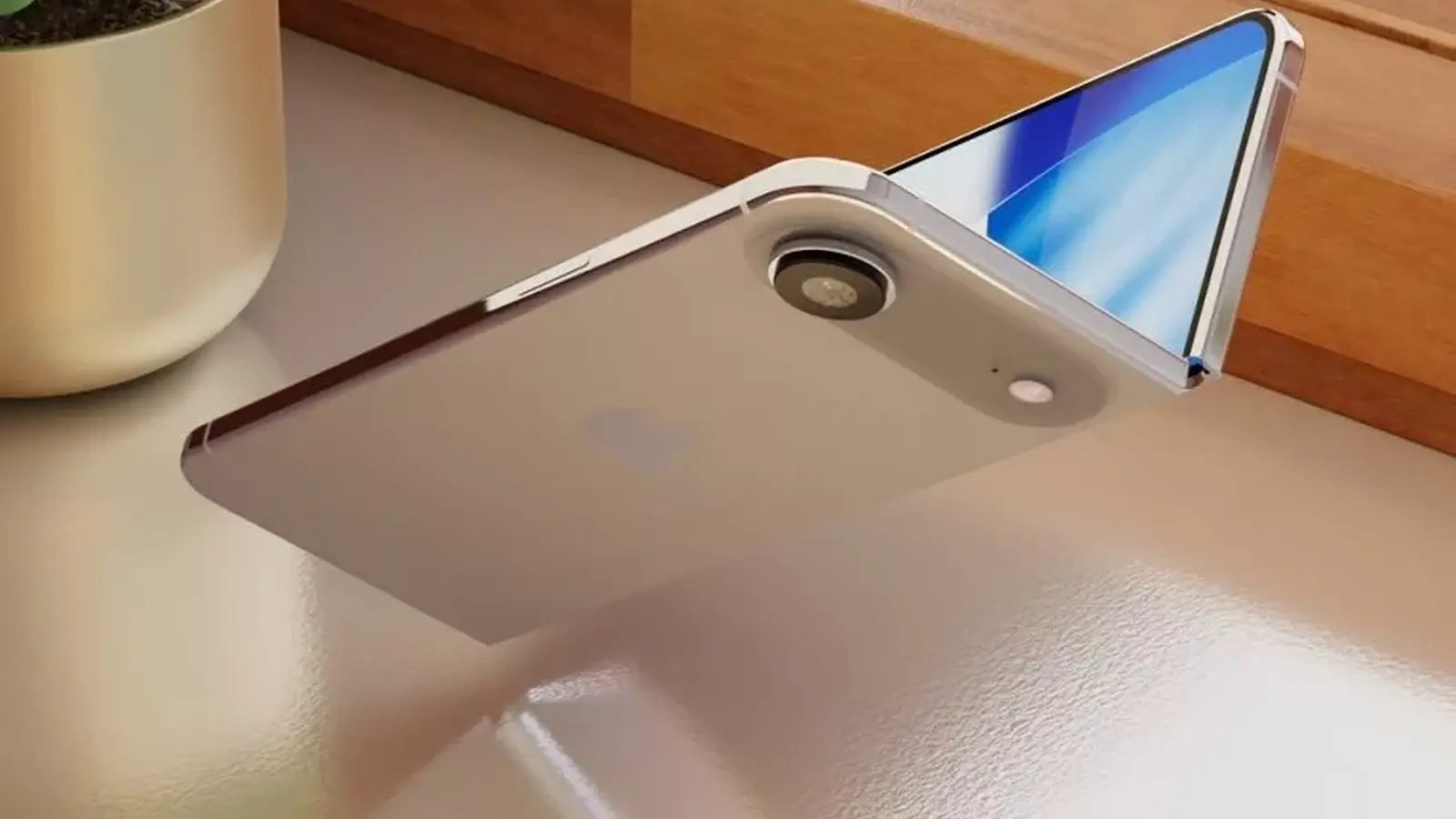
Apple's rumored foldable iPhone may launch without a physical SIM tray, relying solely on eSIM for connectivity. That design choice promises a thinner, lighter device but raises questions about global compatibility and user convenience.
Why Apple could go eSIM-only
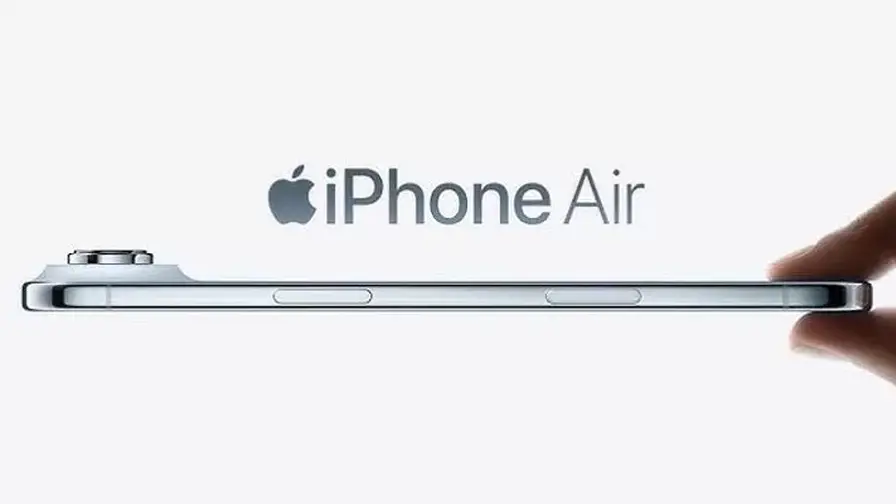
Reports from Chinese outlet Instant Digital, corroborated by Bloomberg and analyst Ming-Chi Kuo, suggest the foldable iPhone will drop the SIM tray to shave millimeters and grams off the chassis. Apple first tested an eSIM-only approach with the ultra-thin iPhone Air, and designers say a similar strategy could let the foldable feel like two slim iPhone Airs hinged together.
Removing the physical SIM slot helps internal packaging and durability and can improve water resistance. But eSIM-only devices also bring limits: eSIM support varies by carrier and country, and swapping numbers between devices isn’t as simple as popping in a SIM card.
Implications for China and global users
China remains a key challenge. When Apple introduced the iPhone Air without a SIM tray, the company had to coordinate with China Mobile, China Telecom and China Unicom so customers could activate eSIMs at carrier stores. Many Chinese users still prefer physical SIMs, yet the iPhone Air showed there’s appetite for lighter, sleeker designs even in that market.

For global customers, eSIM-only means smoother transitions for those on modern carrier plans, but it could complicate travel, second-line use, or resale. Given reports of high pricing, low production volume and narrow profit margins, the foldable is likely to be a niche, premium item rather than a mass-market replacement.
Apple reportedly plans to debut the foldable in September 2026 alongside the iPhone 18 Pro and iPhone 18 Pro Max as part of a shifted two-stage release rhythm. Expect a device that’s design-forward — offering an iPad mini–like canvas when open — but positioned with lower specs than the Pro models and a premium price tag. So will an eSIM-only foldable win over enough buyers? The answer may come down to how carriers and regional markets adapt.

“I love exploring gadgets, apps, and trends that redefine how we connect, work, and play in a digital world.”

Discussion
Leave a Comment
Comments
No comments yet. Be the first.