
3 Minutes
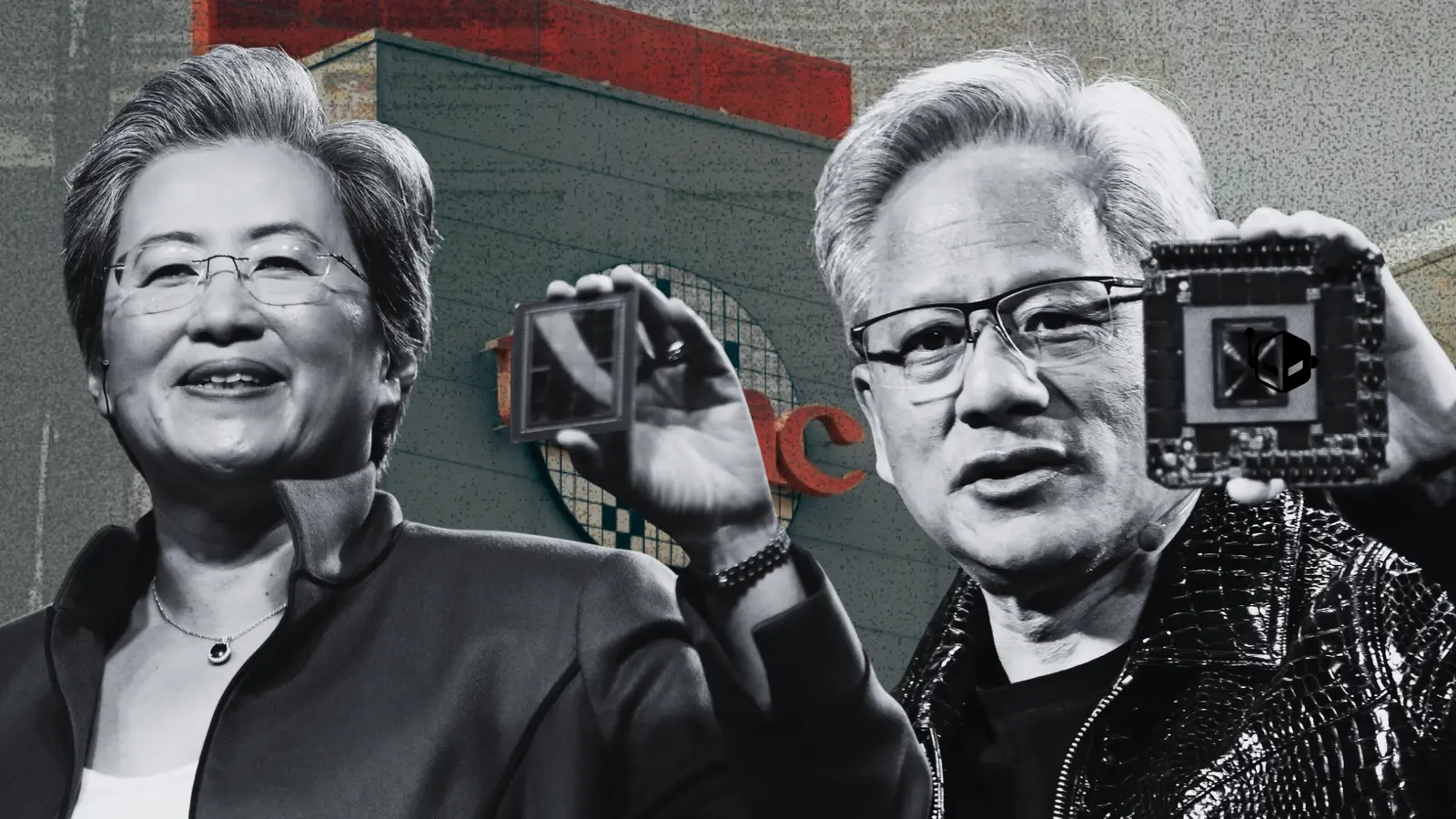
Two of the most influential chipmakers of the last decade—NVIDIA and AMD—put an audacious bet on TSMC as their primary foundry partner. That decision, once questioned, is now widely credited with shaping the modern AI and high-performance compute landscape.
A gamble that reshaped the chip world
TSMC didn’t become the backbone of the AI supply chain overnight. Founded and scaled under Morris Chang, the foundry focused on customer trust and deep technical collaboration long before AI made semiconductor shortages headline news. For companies that committed early, that meant priority access to leading process nodes, collaborative IP development and smoother ramp-ups—advantages that proved decisive as demand for AI accelerators exploded.
Jensen Huang has recounted promising Morris Chang that NVIDIA would be a major TSMC customer—a confidence that looked bold during tougher nodes like 28nm but now looks prescient. That close partnership allowed NVIDIA to secure long-term contracts and privileged access to advanced processes, helping power the company's rapid climb in data-center GPUs and AI accelerators.

AMD's move was no less consequential. Under Lisa Su, AMD shifted away from its legacy fab ties and embraced TSMC as its lead manufacturer after spinning out GlobalFoundries. That pivot helped AMD close performance and efficiency gaps, capture server market share, and compete more directly with rivals whose fabs struggled to keep pace.
Why does this matter? Manufacturing excellence is a choke point in modern chip design. Superior process nodes, yield improvements and predictable capacity planning translate directly to product performance and availability. TSMC’s willingness to nurture long-term client relationships—rather than prioritize short-term revenue—created an ecosystem where designers could optimize chips around node strengths and secure supply when demand spiked.

Intel’s struggles with internal fabs underscore the contrast. Even the century-old incumbent has leaned on TSMC for some of its product lines, illustrating how foundry choice can be a strategic make-or-break moment for semiconductor companies.
Today, when the industry debates capacity and geopolitics, the practical lesson is clear: early, trust-based partnerships with a leading foundry can amplify a chipmaker’s roadmap. NVIDIA and AMD didn’t just buy wafers—they invested in a relationship that scaled alongside AI’s needs. And the payoff is visible in faster product rollouts, privileged process access and the market momentum both firms enjoy now.
Source: wccftech



Leave a Comment