
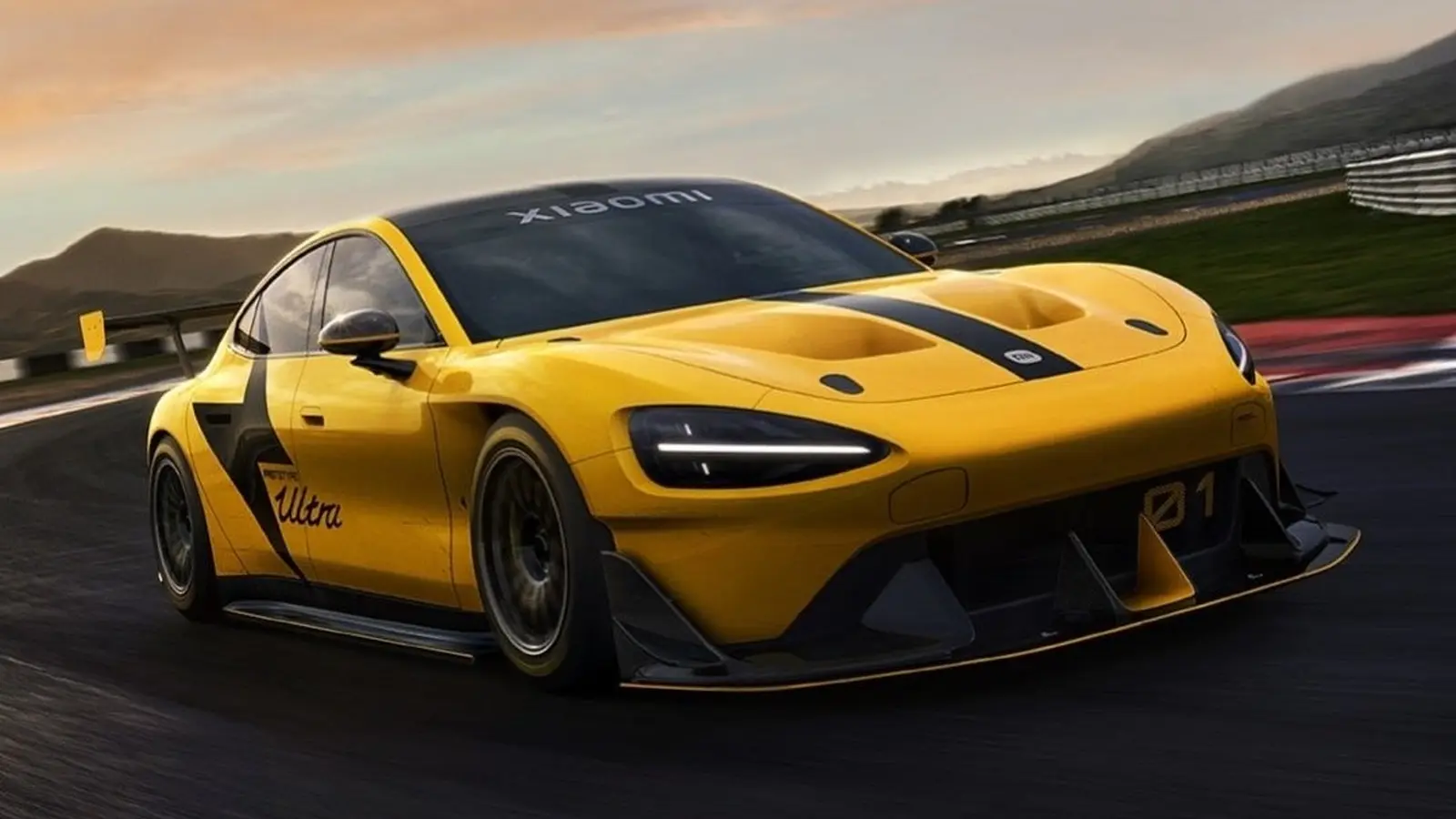
Ford and Xiaomi publicly refute joint EV factory reports
Reports that Ford and Xiaomi were discussing a joint venture to build electric vehicles in the United States have been denied by both companies. The Financial Times originally cited several anonymous sources claiming preliminary conversations had taken place, but official statements from each company called those claims inaccurate.
What the companies said
Xiaomi told media outlets that it has not held negotiations with Ford about forming a joint automotive company and emphasized it currently offers no products or services in the U.S. market. Ford issued a separate statement labeling the Financial Times story "without foundation." Aastocks had carried Xiaomi's denial quoting the company directly.
"There were no such talks," Xiaomi said, while Ford described the report as baseless. The conflicting accounts leave the industry watching closely for any signs of collaboration — or further clarification.
Why the rumor mattered
A partnership between a major U.S. automaker and a fast-growing Chinese EV tech company would be significant for manufacturing, battery supply chains, and software integration. The FT story also claimed Ford had reached out to BYD and other Chinese automakers about potential cooperation in the U.S., though none of those firms confirmed the discussions.

Key considerations around the rumor:
- Access to battery technology and expertise could accelerate U.S. EV production.
- Partnering with a consumer-tech company like Xiaomi might boost in-car software and connectivity.
- Any cross-border deal would face intense regulatory and political scrutiny in Washington.
Context: Ford’s stance and the rise of Chinese EV makers
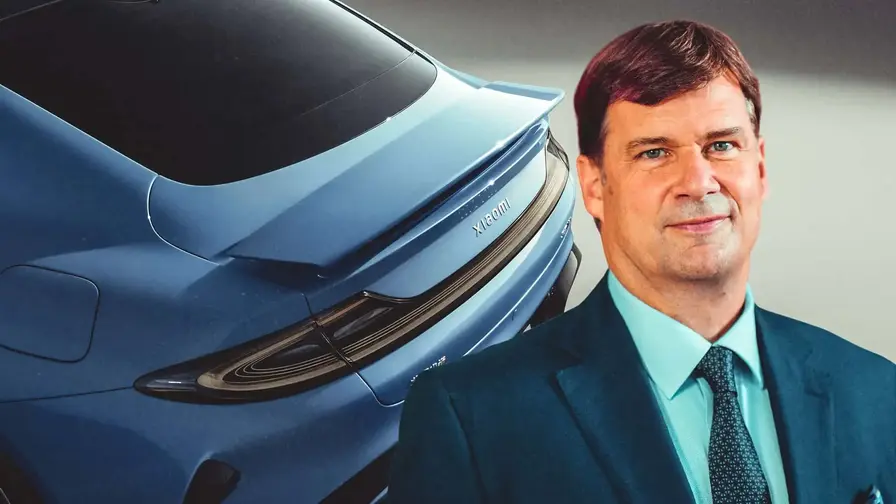
Ford executives have previously acknowledged interest in some Chinese EV technologies. CEO Jim Farley has praised Chinese electric vehicles publicly and even owns a Xiaomi SU7 sedan, underlining the company’s admiration for the design and technology coming from China. Farley has warned that Chinese automakers represent a serious competitive threat to Western brands if they enter the U.S. market.
At the same time, U.S. policy toward Chinese tech and vehicles has become more restrictive. Tariffs on Chinese car imports, plus limits on using certain Chinese hardware and software in smart vehicles, create additional obstacles for any potential partnership or market entry.
Despite political headwinds, Ford has sought to secure battery supply and tech through other routes — notably a licensing deal with CATL for battery technology to be used in U.S.-built vehicles.
Where Xiaomi and other Chinese automakers stand
Xiaomi launched its first production electric car in 2024, expanding the brand from consumer electronics into passenger vehicles. Meanwhile, automakers like BYD are accelerating sales in Europe, Southeast Asia, and Latin America and moving toward local manufacturing in those regions.
Quote to note:
"No formal talks happened between Xiaomi and Ford," a Xiaomi spokesperson said — a succinct rebuttal that highlights how quickly rumor can spread in today’s global EV market.
Takeaways for car enthusiasts and industry watchers
- Don’t expect an imminent Ford–Xiaomi EV plant in the U.S. based on current statements.
- Watch for strategic moves around battery technology and software partnerships instead of headline joint ventures.
- Regulatory and geopolitical factors will remain decisive for any China-U.S. automotive collaboration.
For readers tracking EV manufacturing, supply chains, and market entry strategies, the episode underscores both the intense interest in Chinese EV tech and the complex hurdles companies face when expanding internationally.

“I cover automotive innovation, electric vehicles, and the future of mobility — where technology meets sustainability.”

Discussion
Leave a Comment
Comments (2)
Hmm feels overhyped. A Xiaomi-Ford plant would be huge but Washington would eat that alive, not gonna happen soon imo, if that ever...
Really? both deny it so fast... sounds like FT had a leak or someone messing with markets, or just a rumor. politics will complicate any deal, for sure