
Nissan's sleek solution for solar EVs
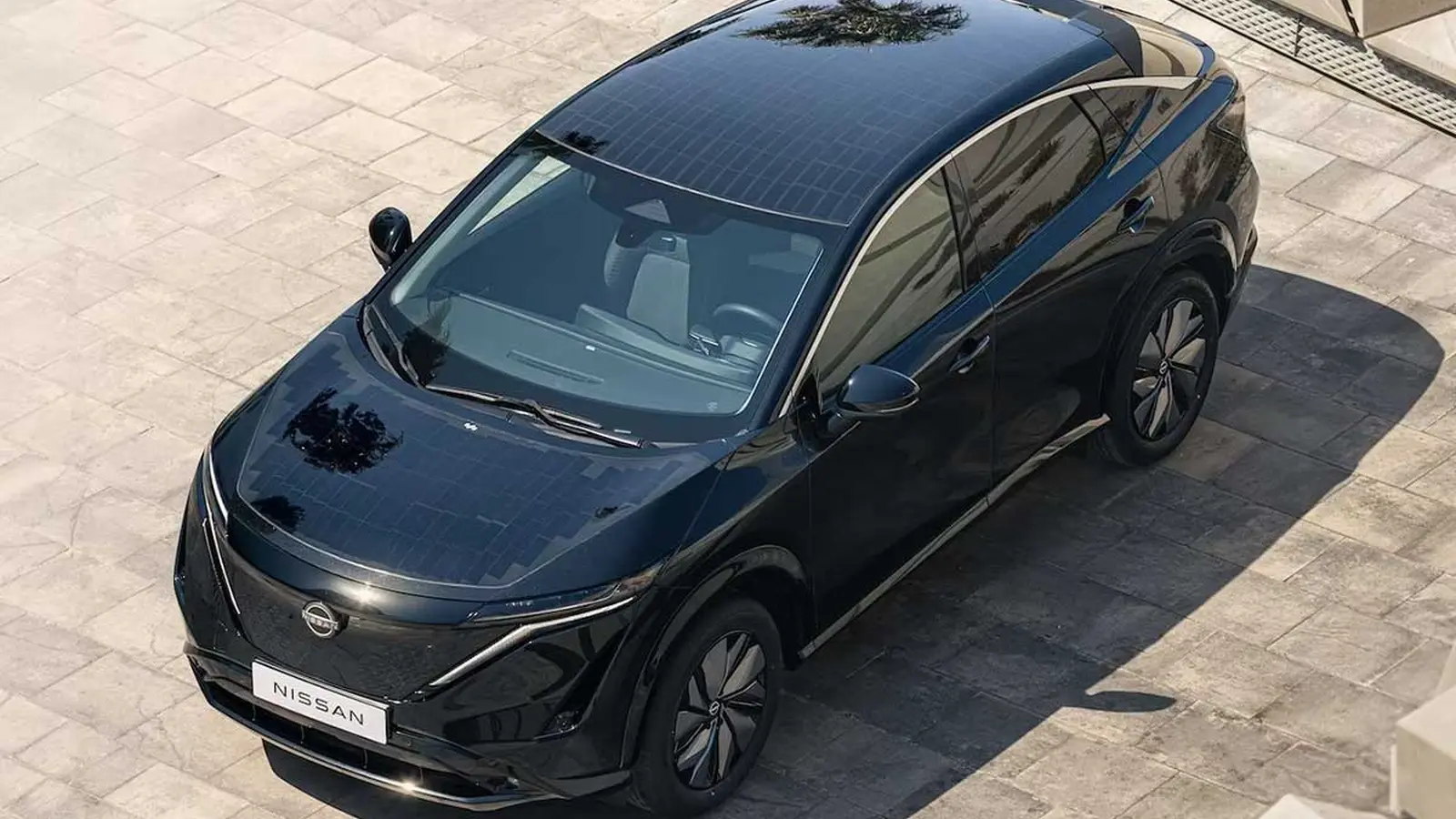
Nissan has taken a fresh approach to using solar energy in electric vehicles with a new Ariya concept that integrates photovoltaic panels into the car’s bodywork. Instead of the familiar “patch” of glass bolted to a roof or hood, this concept uses bespoke solar panels that become part of the vehicle skin — from the hood and roof to the tailgate — preserving the Ariya's clean lines and aerodynamic profile.
How the integrated solar system works
About 4 square meters of custom solar material cover the vehicle. These are not ordinary rigid panels: Nissan uses a hybrid polymer-and-glass construction molded precisely to the body’s curvature. The electricity produced feeds directly into the high-voltage system so drivers experience the benefit seamlessly — there’s no need to manage a separate charging source.

Nissan rates the system at up to 23 km (14 miles) of additional range per day under ideal sunny conditions. In very sunny regions — think Dubai or parts of Khuzestan — the concept could deliver roughly 16–21 km (10–13 miles) daily. Even in cloudier cities such as London, the panels still contribute meaningful energy. Nissan estimates this setup could reduce the need for plug-in charging by as much as 65% in certain use cases.
What this means for EV owners and the market
This innovation shifts solar roof tech from a novelty to a practical range-extending tool for electric vehicles. For daily commuters, that could translate into fewer charging sessions and lower operating costs. However, Nissan is clear that solar won’t replace conventional chargers — it’s a complementary system that improves efficiency and reduces dependence on the grid.

Highlights:
- Integrated polymer-glass solar skin across hood, roof, and tailgate
- Approximately 4 m² of solar coverage
- Up to 23 km extra range on ideal days; 16–21 km in very sunny regions
- Potential to reduce cable charging by up to 65% in certain conditions
Design and real-world trade-offs
The Ariya concept demonstrates that solar integration can be aesthetically pleasing and compatible with modern EV design. But practical barriers remain. Cost and repairability are the elephant in the room: replacing a damaged door or panel that doubles as a solar array will be more expensive than swapping a conventional body part. Even a minor fender-bender could lead to higher repair bills if integrated solar elements are involved.

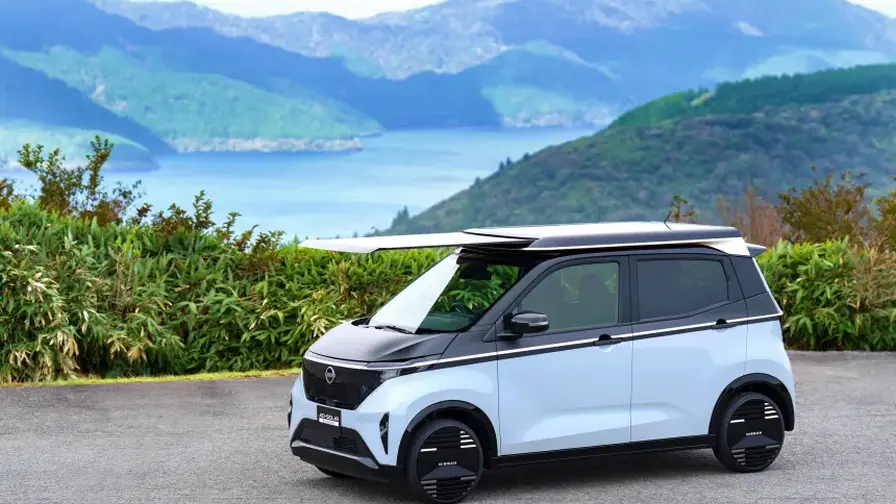
Nissan has experimented before — early efforts like the Sakura prototype showed promise but still looked tacked-on. This latest project is a more mature execution that points toward a future where solar-equipped EVs are attractive, functional, and sensible rather than gimmicky.
For now the Ariya solar setup is a concept, not a production feature. If development continues and costs come down, integrated solar skins could become an important differentiator in the competitive EV market, especially for buyers who prioritize range resilience and reduced charging frequency.

“Cars are evolving faster than ever. I cover electric vehicles, smart mobility, and the future of transportation worldwide.”

Discussion
Leave a Comment
Comments (2)
I drove a solar test car once, it helped for short trips, saved plug charging a lot. But city driving and shade kill it, so not a full solution yet.
Looks slick, but is this for real? Repair costs freak me out, door damage = huge bill. And what about weight, durability... realy?