
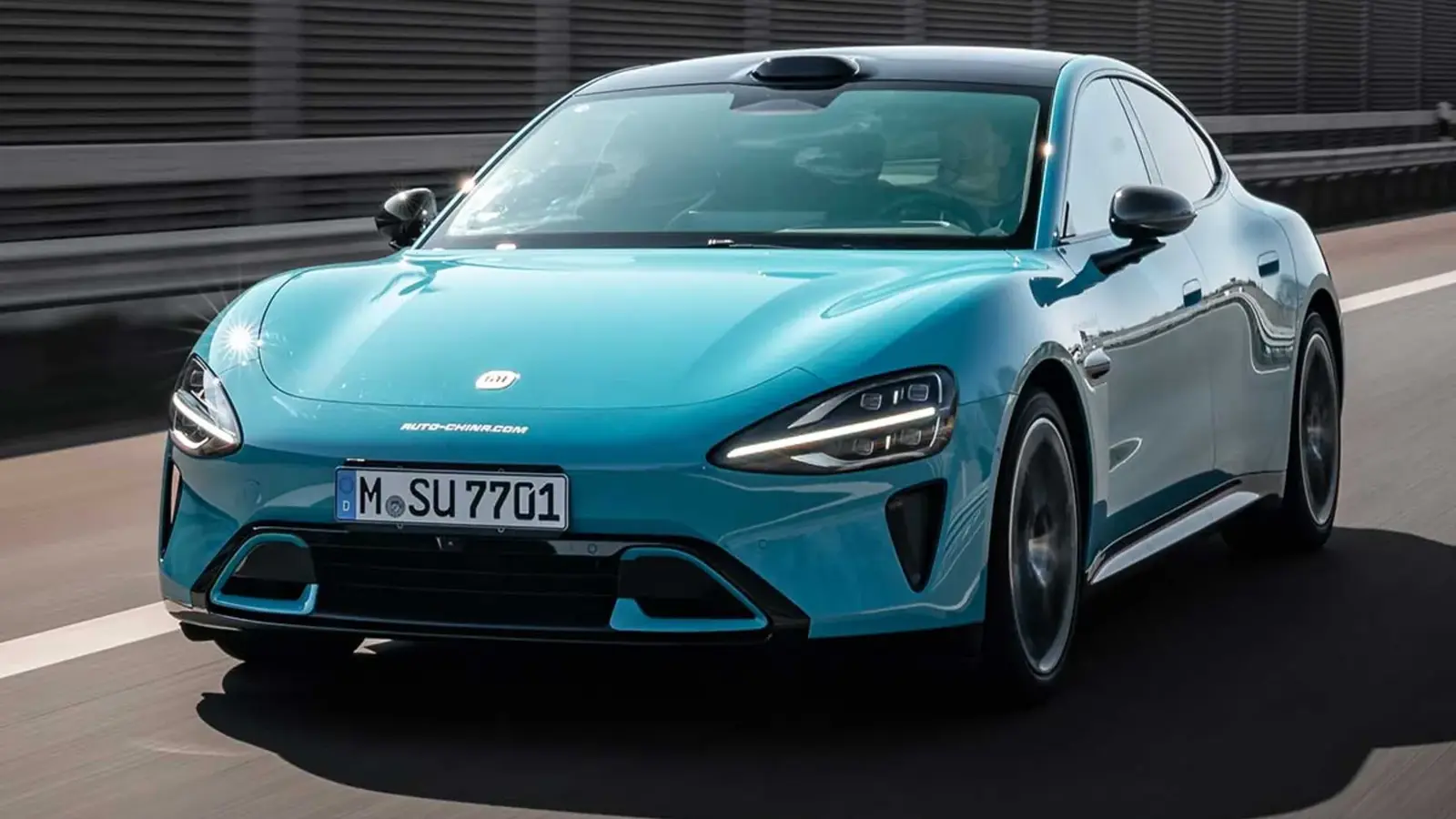
Remarkable battery endurance from a heavy-use Xiaomi SU7
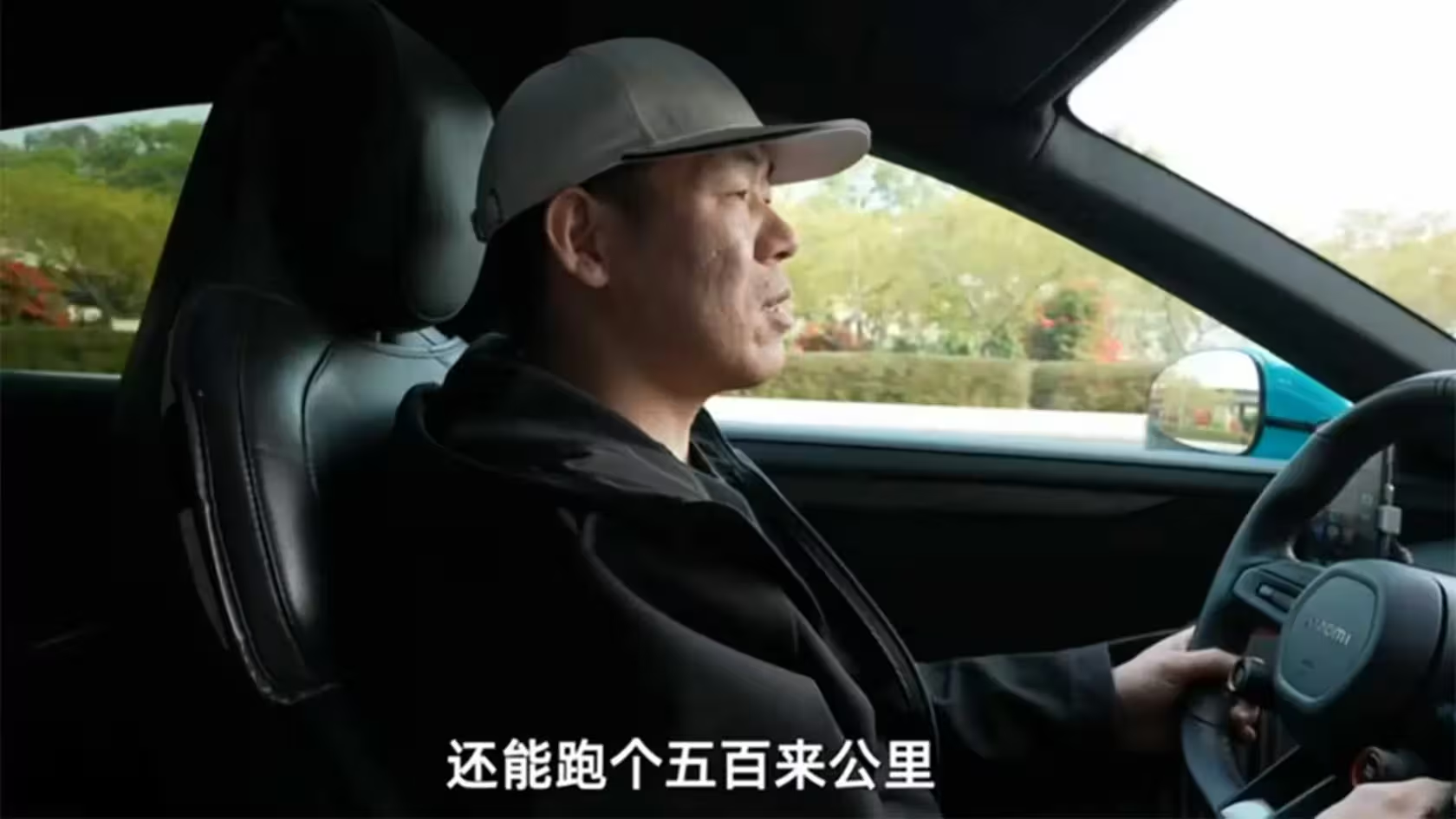
A rear-wheel-drive Xiaomi SU7 Pro recorded an astonishing 94.5 percent battery health after 265,000 km of driving in just 18 months. The owner, Mr. Feng, says the car averaged roughly 600 km per day under heavy usage, a workload that would be daunting even for many conventional gasoline cars.
'I was really shocked when Xiaomi staff told me the result,' Feng said. 'I expected battery health to be around 90 percent at best, but 94.5 percent exceeded my expectations.'
How this mileage translates to battery cycles and usage
The SU7 in question is fitted with a 94.3 kWh battery pack and, with a reported consumption of about 18 kWh per 100 km, the math suggests the pack has endured the equivalent of roughly 500 full charge-discharge cycles. In reality, the number of charge events is higher because many EV drivers follow recommended practices and keep charge levels between 20 and 80 percent, which increases partial-cycle counts but reduces stress on the cells.

Highlights:
- Battery pack: 94.3 kWh
- Average energy use: ~18 kWh/100 km
- Estimated full-cycle equivalents: ~500
- Average daily driving: ~600 km
Beyond the battery: low wear across the vehicle
Surprisingly, other components show minimal wear. Tire tread depth remains around 8 mm, a figure typical for new cars, and brake pads have not required replacement. Even the coolant retains full purity and a freeze point of -38°C, indicating the thermal management system has remained effective under sustained heavy use.
Industry context and why this matters
Comparing this real-world data to industry norms highlights why the report has drawn attention, including from Xiaomi CEO Li Jun. Most automakers warranty batteries for about 8 years or 150,000 km and consider a 20–30 percent capacity loss normal in that period. Tesla, for example, offers an 8-year or 160,000 km warranty for its rear-wheel-drive Model 3 and Y, with a minimum 70 percent capacity guarantee. The SU7 Pro's performance at much higher mileage shows an edge in long-term battery resilience.
What this means for EV buyers and the market
For prospective EV buyers focused on long-distance reliability and total cost of ownership, this is a meaningful data point. Mr. Feng also reports fuel-cost savings of over 100,000 yuan (about 14,300 USD) from switching away from gasoline vehicles, and he plans to push the SU7 to 600,000 km within three years to further test durability.
The takeaway: battery health, thermal management, and conservative charging practices together can deliver exceptional longevity. For automotive enthusiasts and fleet operators, the SU7 case is a useful real-world benchmark for EV battery degradation, maintenance needs, and operating savings.

“Cars are evolving faster than ever. I cover electric vehicles, smart mobility, and the future of transportation worldwide.”

Discussion
Leave a Comment
Comments
No comments yet. Be the first.