
5 Minutes
Lights on the factory floor. Robots move with military precision. Yet targets can feel like Everest when you set the summit too high.
One model doing most of the heavy lifting
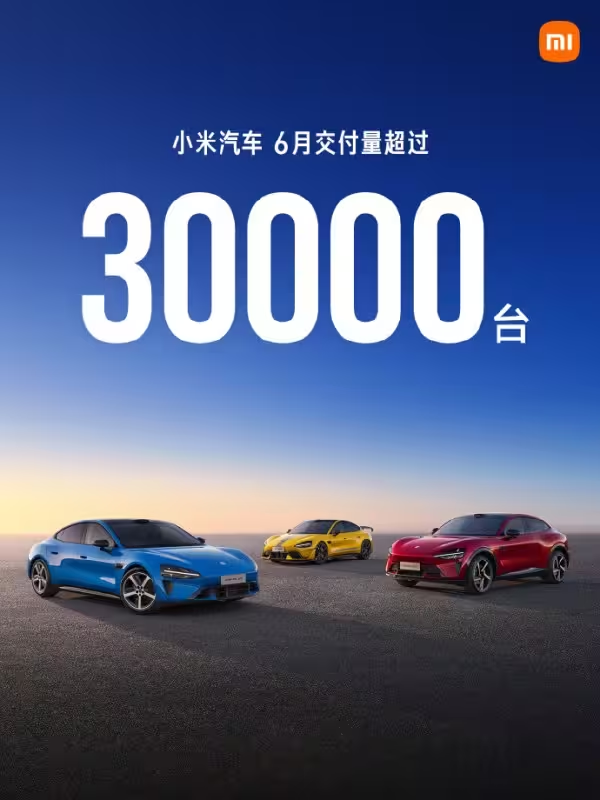
Xiaomi reported another month of steady EV deliveries in June, crossing the 30,000 mark for a third straight month. On paper that looks solid for a brand that only recently began selling cars. Look closer and the picture is less comforting. From January through May the company handed over 150,317 vehicles. Add an estimated 35,000 for June and the first half of 2026 totals roughly 185,000 units. Not bad for a newcomer. But corporate leadership has published a full-year target of 550,000 units, leaving a gap of about 365,000 cars for the remaining six months.
How do you make up that shortfall? By shifting into a higher gear. Xiaomi would need to average roughly 60,000 monthly deliveries from July through December to reach its goal. That is a steep climb. The automaker’s historical monthly peak has never exceeded 40,000 units. Asking production to surge by 50 percent overnight is a tall order for any factory, let alone one still finding its rhythm.
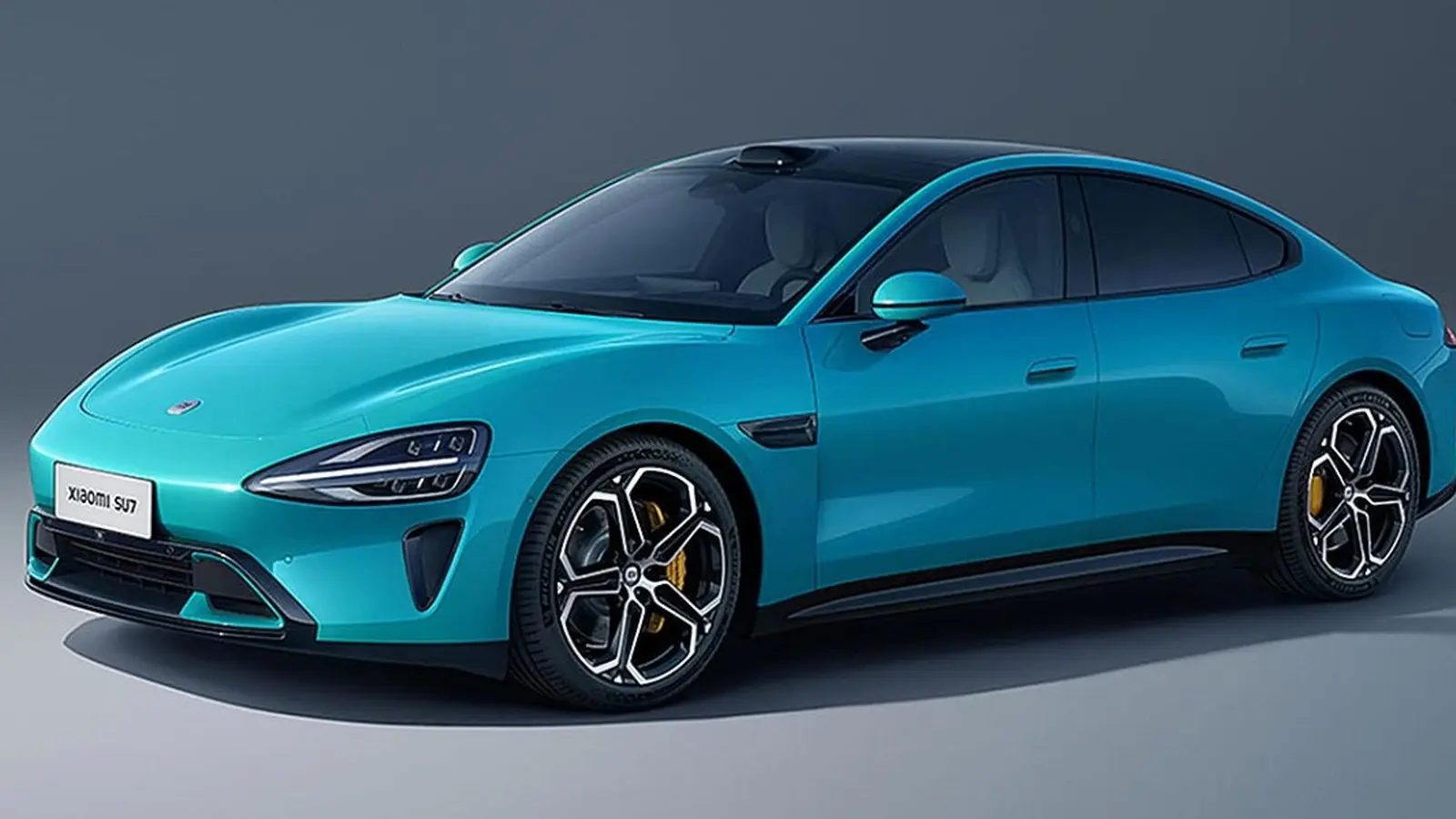
There is another imbalance at play: a skewed lineup. Sales are concentrated around a single hit model. In May the SU7 sedan alone accounted for 24,023 deliveries. It has become the brand’s flagship volume driver and the clear favorite among buyers. Reservations for the new-generation SU7 already top 80,000, which suggests the sedan will likely keep contributing north of 20,000 sales per month for the foreseeable future. That kind of consistency helps, but it is not a complete strategy when you need scale.
Meanwhile the YU7 crossover is losing steam. May marked its fifth consecutive month of declining deliveries. Consumers appear to prefer the sedan’s profile and value proposition, and analysts expect the downward trend to continue through June. Relying on one healthy product while another slips creates vulnerability. What happens if demand for the SU7 softens? The company would have far fewer levers to pull.
Recognizing the risk, Xiaomi is expanding its portfolio fast. At the first-quarter 2026 briefing, partner Lu Weibing confirmed a major new launch before year-end. This model will not be a pure battery electric vehicle. Instead Xiaomi is betting on an extended-range electric powertrain to win over buyers worried about long trips and charging gaps.
The newcomer, named Skynomad N90, is a full-size smart family SUV that has begun road testing. It uses a small gasoline engine as an onboard generator to recharge the battery while driving, addressing range anxiety and making the vehicle more appealing to buyers without reliable home charging or who travel long distances often. Xiaomi plans to position the N90 toward the premium family segment, pricing it at roughly €39,000. When it arrives in the second half of 2026 it will round out a passenger lineup that includes the SU7 sedan, the YU7 crossover, and this large SUV.

Will the Skynomad N90 rescue the 550,000-unit goal? Maybe. A new model can spark a wave of orders, but timing matters. Even with a successful launch, Xiaomi still faces logistical hurdles: ramping suppliers, scaling production lines, and smoothing delivery logistics across multiple models at once. Each step takes time and operational precision.
For now Xiaomi sits somewhere between an impressive debut and the hard reality of automotive scale. The company has momentum and a hit product in the SU7. It also has a demanding corporate target and limited product breadth. The rest of 2026 will be a test of execution more than imagination. Can the factories leap to the next plateau? Can the Skynomad N90 pull its weight quickly enough? Those answers will determine whether Xiaomi's EV push is a one-season sprint or the start of a durable automotive campaign.
Source: arenaev


Comments
v8rider
If they need 60k/mo from 40k peak, nah... logistics, suppliers, real world hates wishful goals. SU7 carry might not be enough

Leave a Comment