
BYD challenges U.S. import tariffs in court
Chinese electric-vehicle giant BYD has filed a formal lawsuit against the United States government, questioning the legal basis of heavy import tariffs imposed under previous administrations. The complaint, lodged on January 26 by four BYD subsidiaries operating in the U.S., argues that the administration's use of the International Emergency Economic Powers Act (IEEPA) to justify broad vehicle tariffs exceeds presidential authority and should be overturned.
What BYD is asking for
If a federal court rules in BYD's favor, the decision could weaken tariff barriers and open a clearer path for the automaker to import passenger EVs into the American market. For now, BYD's U.S. presence emphasizes energy storage systems and commercial vehicles produced at its Lancaster, California plant—but a favorable legal outcome could transform its strategy toward mainstream passenger-car sales.
.avif)
Market forces vs. dealer resistance
Recent studies from AutoPacific indicate a growing openness among American consumers to buy Chinese-made cars. Yet U.S. auto dealers and industry groups are vocally opposed, arguing that extensive state support for Chinese manufacturers unfairly tilts the competition. The tension is visible in price comparisons: for example, Chery introduced a fully electric pickup in China with a reported base price near $18,300 — a stark contrast to similarly sized electric pickups sold in the U.S., which are priced far higher.
"This isn’t just about pricing — it’s about the rules of fair competition," says one U.S. dealer association spokesperson. The legal challenge BYD has mounted is not without precedent: a New York importer previously won a similar case, though the government appealed and comparable cases remain paused pending higher court decisions.
Why a BYD win would matter
Potential consequences of BYD prevailing in court include:
- Reduced tariff barriers for Chinese-made passenger EVs
- Increased imports routed through BYD plants in Brazil and Mexico to take advantage of lower duties
- Pressure on U.S. automakers to accelerate price competitiveness and EV rollout

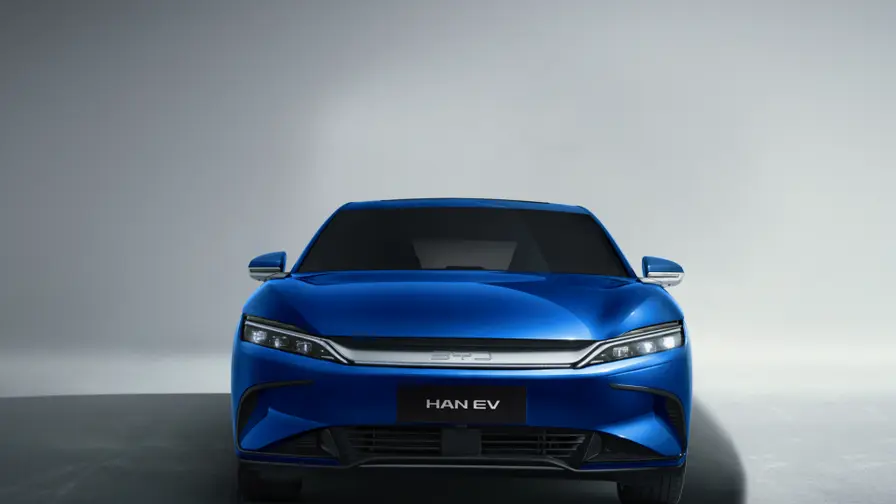
BYD, which surpassed Tesla to become the world’s top EV seller, already sells a wide model range from economical city cars like the Seagull to high-performance models such as the Yangwang U9. Success in the courtroom could be a pivotal moment that turns BYD from a U.S. energy-storage and commercial vehicle player into a mainstream competitor in the American passenger EV market.
Industry ripple effects
A ruling that curtails IEEPA-based tariffs would likely trigger a wave of legal and commercial moves: other Chinese brands could pursue similar suits, and manufacturers might reconfigure supply chains to favor Mexico or Brazil as assembly hubs for U.S.-bound vehicles. For American consumers, that could mean broader EV choice and more aggressive pricing — while for dealers and domestic OEMs, it signals a new competitive reality to which they must adapt.
In short, BYD’s lawsuit is more than a legal gambit; it’s a potential inflection point in global automotive trade, EV market dynamics, and how governments regulate cross-border competition.

“I cover automotive innovation, electric vehicles, and the future of mobility — where technology meets sustainability.”

Discussion
Leave a Comment
Comments (2)
Could be a big win for consumers. Lower prices, more options, but also chaos for dealers and US supply chains. excited but nervous..
If BYD wins, are US jobs gonna survive? Pricing will tank, dealers will freak... Mexico/Brazil reroutes seem obvious. But is IEEPA that shaky? hmm