
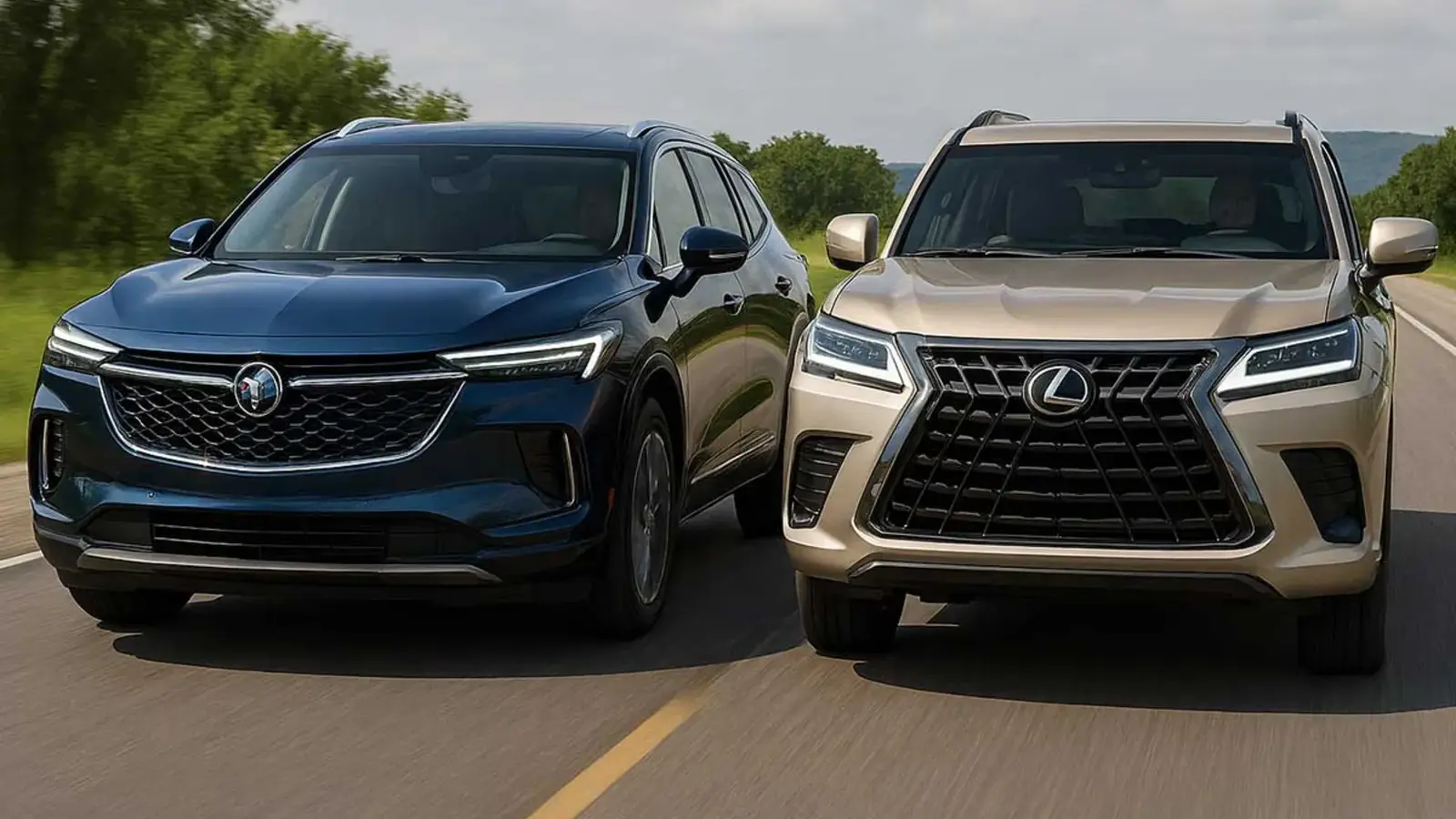
J.D. Power study: Modern cars smarter, but more problem-prone
A new J.D. Power reliability study finds that today’s cars are packed with technology, yet owners are reporting more issues than before. The broad survey polled 33,268 owners of 2023 model-year vehicles and examined 184 potential problems across nine categories. After three years of ownership the industry average rose to 204 problems per 100 vehicles (PP100) — the highest level recorded since the study was redesigned in 2022.

Infotainment systems are the weak link
Infotainment and connectivity topped the complaints list, contributing 56.7 of the 204 PP100. Four of the five most common problems industry-wide relate to mobile connectivity. Apple CarPlay and Android Auto connection issues lead the pack, followed by in-car Bluetooth problems, malfunctioning wireless chargers, and trouble connecting to manufacturers apps. In short, the high-tech cockpit that promises convenience is often the source of driver frustration.
Owners are also skeptical of over-the-air software updates. Among those whose cars received a software update in the previous year, only 27 percent reported improved performance, while 58 percent felt no noticeable difference. Worryingly, vehicles that received updates actually reported more problems overall, raising questions about software quality control and integration with vehicle hardware.

Which powertrains give owners the most trouble?
The study highlights important reliability differences by powertrain type:
- Plug-in hybrids: 281 PP100 — the highest problem rate
- Battery-electric vehicles (EVs): 237 PP100
- Hybrids: 213 PP100
- Traditional gasoline models: 198 PP100 — the most reliable on average
These figures suggest that the added complexity of electrified powertrains and their associated hardware and software can introduce new failure points. For buyers focused on long-term reliability, conventional gasoline models currently present the lowest reported trouble rates.
Brand winners and losers
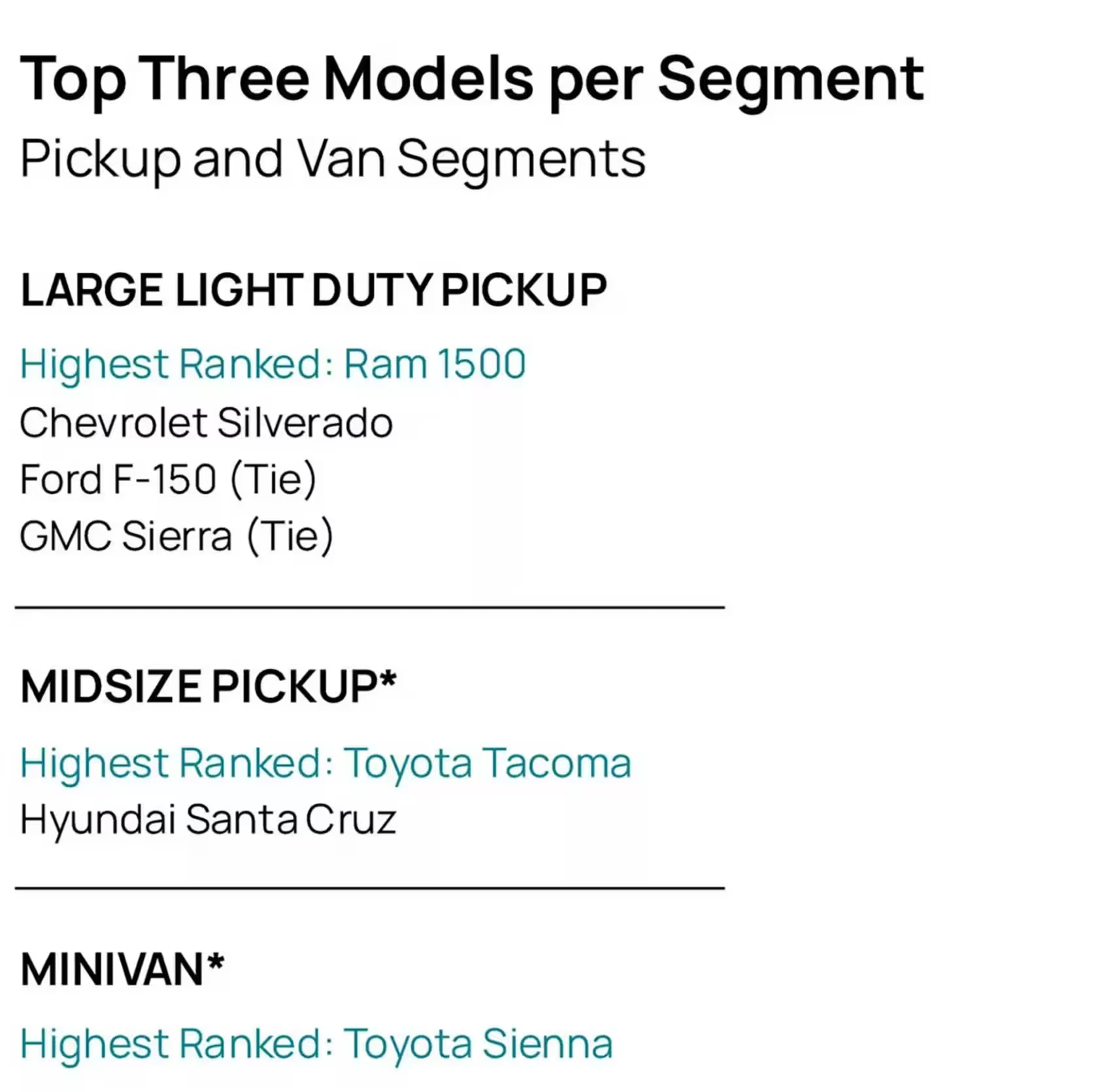
Lexus led the pack with only 151 PP100, a clear margin above other brands. The Lexus IS was named the most reliable car in the study after three years of ownership, reflecting Lexus's long-standing emphasis on durability and refinement. Toyota also performed strongly, earning top honors in eight vehicle segments.
Several mainstream and non-luxury brands outperformed the industry average: Buick, Mini, Cadillac, Chevrolet, Subaru, Porsche, Kia, Nissan, BMW, and Hyundai. Interestingly, luxury brands as a group slipped relative to mainstream makers this year.
At the bottom of the list were notable names such as Volkswagen, Volvo, Land Rover, Jeep, Audi, Mercedes-Benz, Infiniti, Tesla, and Acura, each recording above-average problem rates.
Key takeaways for buyers
- If reliability is your priority, gasoline-power models still show the fewest problems in this study.
- Expect connectivity and infotainment systems to be the most common source of complaints—verify smartphone integration and wireless features during a test drive.
- When considering an EV or plug-in hybrid, weigh potential software and electronics complexity against fuel savings and environmental benefits.
Highlights:
- Study size: 33,268 owners of 2023 models
- Categories: 184 issues across 9 areas
- Industry average after three years: 204 PP100
Quote:
'As cars get smarter, automakers must get better at software and connectivity. Hardware reliability alone is no longer enough,' says an industry analyst following the J.D. Power release.

What this means for the market
Automakers face a clear challenge: integrate advanced tech without sacrificing reliability. Brands that combine proven mechanical engineering with robust, well-tested software are poised to gain customer trust. For car shoppers, the study underscores the importance of research: reliability ratings, real-world owner feedback, and hands-on testing of infotainment and app connectivity should factor into any buying decision.
Whether you prioritize performance, luxury, or efficiency, keep one eye on the data. Until software and connectivity issues are resolved at scale, traditional gasoline models remain the safest bet for trouble-free ownership in the short term.

“I cover automotive innovation, electric vehicles, and the future of mobility — where technology meets sustainability.”

Discussion
Leave a Comment
Comments (2)
Test drove a new model last month, infotainment kept dropping CarPlay and Bluetooth. Had to use AUX like it's 2005 lol. Love the EV punch but this is annoying, dealers need better software QA
Wait so EVs and plug-in hybrids have more problems than gas cars? Sounds like software is the weak link not batteries. OTA updates making things worse? kinda worrying.