
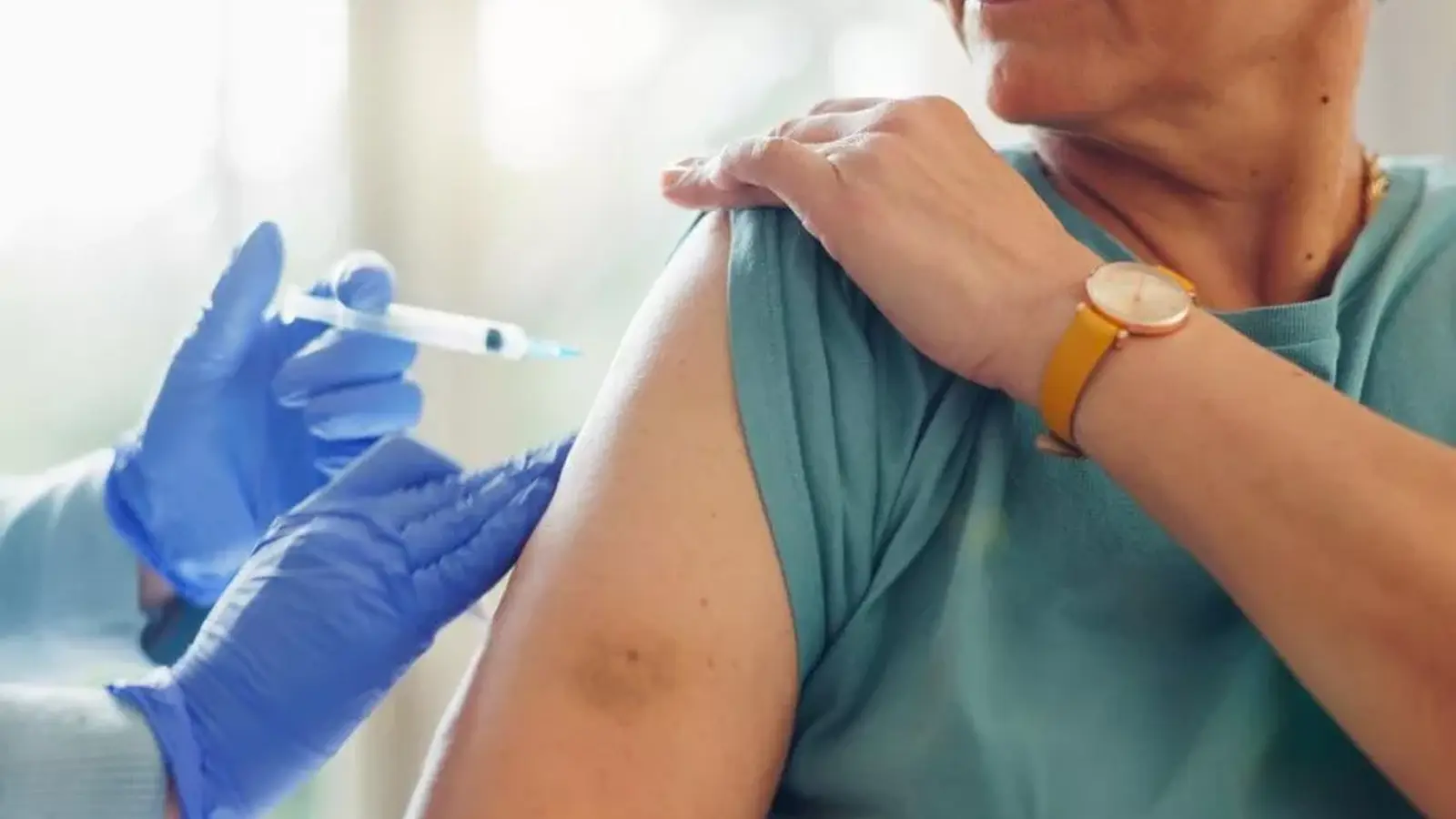
Could a shot meant to stop a painful skin outbreak also nudge the body’s biological clock backward? Recent findings suggest it can. A team of researchers has found that the shingles (zoster) vaccine does more than prevent blistering rashes: it appears to blunt the chronic inflammation and epigenetic changes associated with aging, keeping internal systems younger than expected for a person’s calendar years.
Study details and biological implications
Researchers at the University of Southern California analyzed health data and blood samples from more than 3,800 Americans aged 70 and older. Participants who had received the shingles vaccine scored better on several measures of biological health. Those measures—based on inflammatory markers and patterns of gene activity linked to aging—suggested a slower pace of biological aging among vaccinated individuals compared with their unvaccinated peers.
Why does this matter? Chronological age records how many years someone has lived. Biological age estimates how well organs and systems are functioning. Two people can both be 70 by calendar years and yet show very different biological profiles: one might have organ systems that resemble a person decades younger, while the other displays signs of premature decline. The study indicates the shingles vaccine may help tip that balance in a healthier direction.

The mechanism is not mystical. Varicella zoster virus—the same virus that causes chickenpox—remains dormant in nerve tissue after initial infection and can reactivate later in life as shingles. That reactivation fuels local and systemic inflammation. The vaccine reduces episodes of viral reactivation, and the USC team found this correlated with lower background inflammation and slower progression of epigenetic aging, the molecular process by which gene regulation shifts as we grow older.
Importantly, the protective signal was not fleeting. Blood-work showed benefits persisting four years or more after vaccination, pointing to durable immune modulation rather than just a short-lived immune boost. This lines up with earlier observations that adult vaccines such as influenza and zoster can be associated with lower risks of neurodegenerative and other age-related diseases.
Doctors already recommend the shingles vaccine for older adults because it dramatically reduces the likelihood of painful outbreaks and long-term nerve pain (postherpetic neuralgia). These new results add a broader public-health dimension: routine adult vaccination might provide a ripple of benefits across cardiovascular, metabolic, and cognitive domains by dialing down chronic inflammation—one of the central drivers of age-related disease.
There are practical caveats. The study is observational, so it shows association rather than a definitive cause-and-effect line. Still, the sample size and consistency of biological markers make the signal noteworthy. Could widespread zoster vaccination become part of anti-aging strategies in public health? It’s a provocative possibility worth exploring further in randomized trials.
For individuals, the takeaway is straightforward: keeping up with recommended adult immunizations has clear benefits for preventing disease—and may do more for long-term physiological resilience than we previously appreciated.

“The cosmos has always fascinated me. I write about space missions, astronomy, and the technologies pushing humanity beyond Earth.”

Discussion
Leave a Comment
Comments (2)
If true, huge deal. But is the cohort biased? Vaccine takers often healthier, huh... curious how they adjusted
Wait, shingles vax might slow aging? Wow that's wild, hope it's not just correlation. Need trials.