
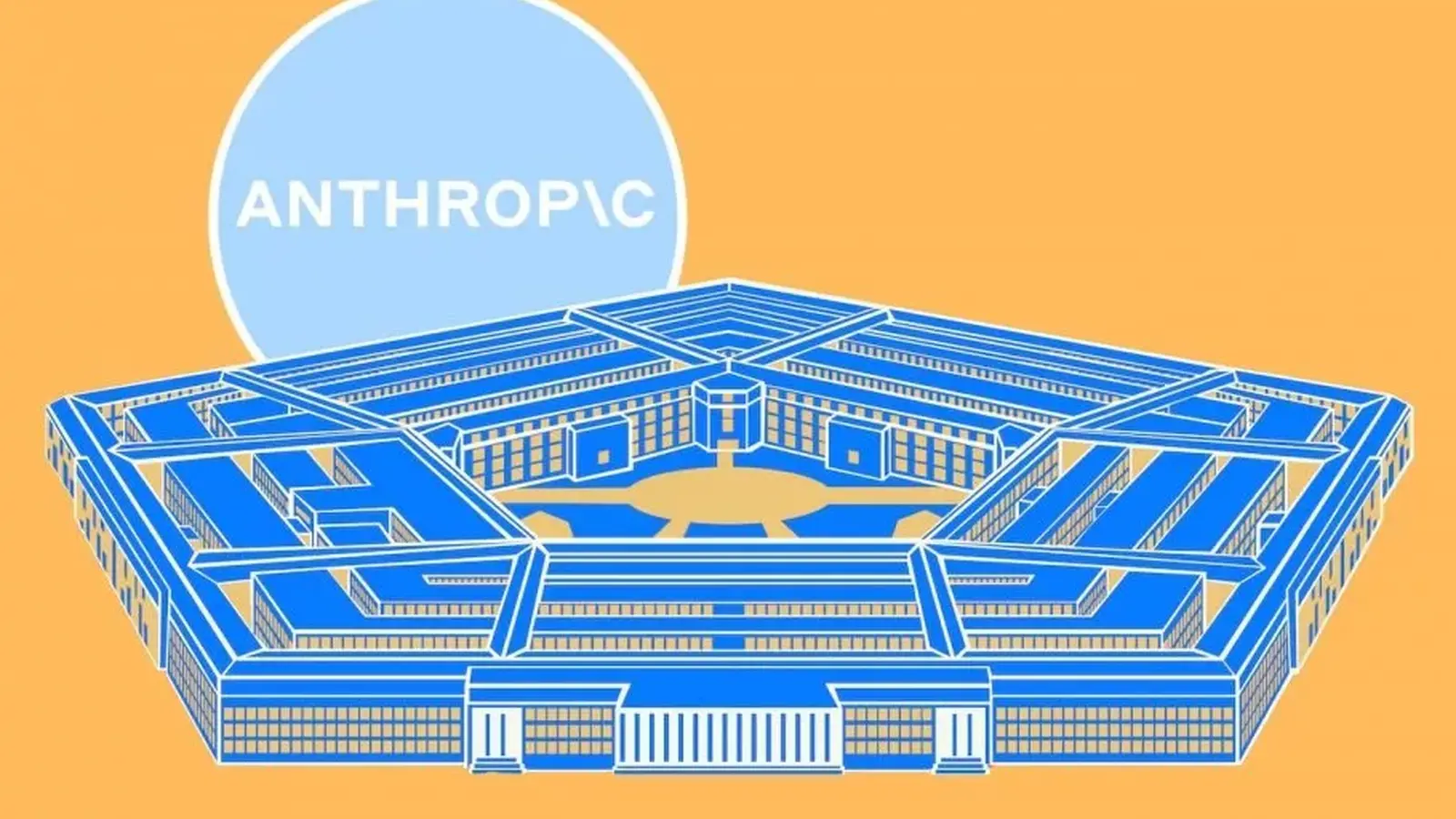
Anthropic said no. Less than 24 hours before a Pentagon ultimatum expired, the San Francisco startup formally refused a Defense Department demand for unfettered military access to its AI models.
The decision landed like a splinter in tech’s routine of quiet compliance. Executives at Anthropic declined the request out of deep concern that their systems could be repurposed for mass surveillance or for fully autonomous weapons that operate without meaningful human oversight. The stance set them apart from several industry peers who have already accepted the Pentagon’s conditions.
CEO Dario Amodei was summoned to the White House and met with defense officials, where he drew the red lines his company will not cross. He acknowledged the importance of using advanced AI in national defense, but warned that certain applications today are both ethically fraught and technically unsafe. We cannot, in good conscience, comply with their request.
Anthropic’s response also called out a practical contradiction in Washington’s posture. On one hand, the Defense Department warned it might place the company on a “supply chain risk” list—a label usually reserved for foreign adversaries. On the other, officials have argued that cloud-based large language models are critical to national security. That tension, Amodei argued, does not justify abandoning ethical guardrails.

There are legal levers on the table. The Pentagon has signaled it could invoke measures like the Defense Production Act to force vendors to remove safety constraints on models that the military deems essential. Anthropic says it will not strip safeguards in a way that knowingly endangers soldiers or civilians. At the same time the company offered a pragmatic assurance: if the Department of Defense decides to cut ties, Anthropic will cooperate to ensure a smooth handover so military operations aren’t disrupted.
Not every AI developer resisted. Companies such as OpenAI and xAI have reportedly accepted the Defense Department’s new terms. What makes Anthropic’s refusal notable is its position as one of the few firms whose models are judged close enough to military-grade to be considered for classification—yet its leaders chose principle over compliance.
Why does this matter? Because the debate is no longer abstract. When does a tool meant to assist become a weapon? And who is responsible when an autonomous system makes life-or-death decisions? Anthropic’s move forces those questions back into the public square, where lawmakers, technologists and the military must negotiate the limits of safety, sovereignty and innovation.
The standoff also underscores a broader split in the tech ecosystem: companies balancing commercial opportunity and government pressure against reputational risk and moral responsibility. The outcome will shape procurement, research priorities, and the guardrails around AI systems for years to come.
Whatever comes next, the episode is a reminder that building powerful AI without clear norms invites fraught choices—and that some companies are willing to bet their reputations on drawing a line in the sand.


“I love exploring gadgets, apps, and trends that redefine how we connect, work, and play in a digital world.”

Discussion
Leave a Comment
Comments (2)
Is this even enforceable? If Pentagon can force vendors to strip safeguards, who watches the watchers... feels messy, tbh
wow didnt expect Anthropic to say no, big move. Brave or risky? Curious how DPA drama plays out, this matters.