
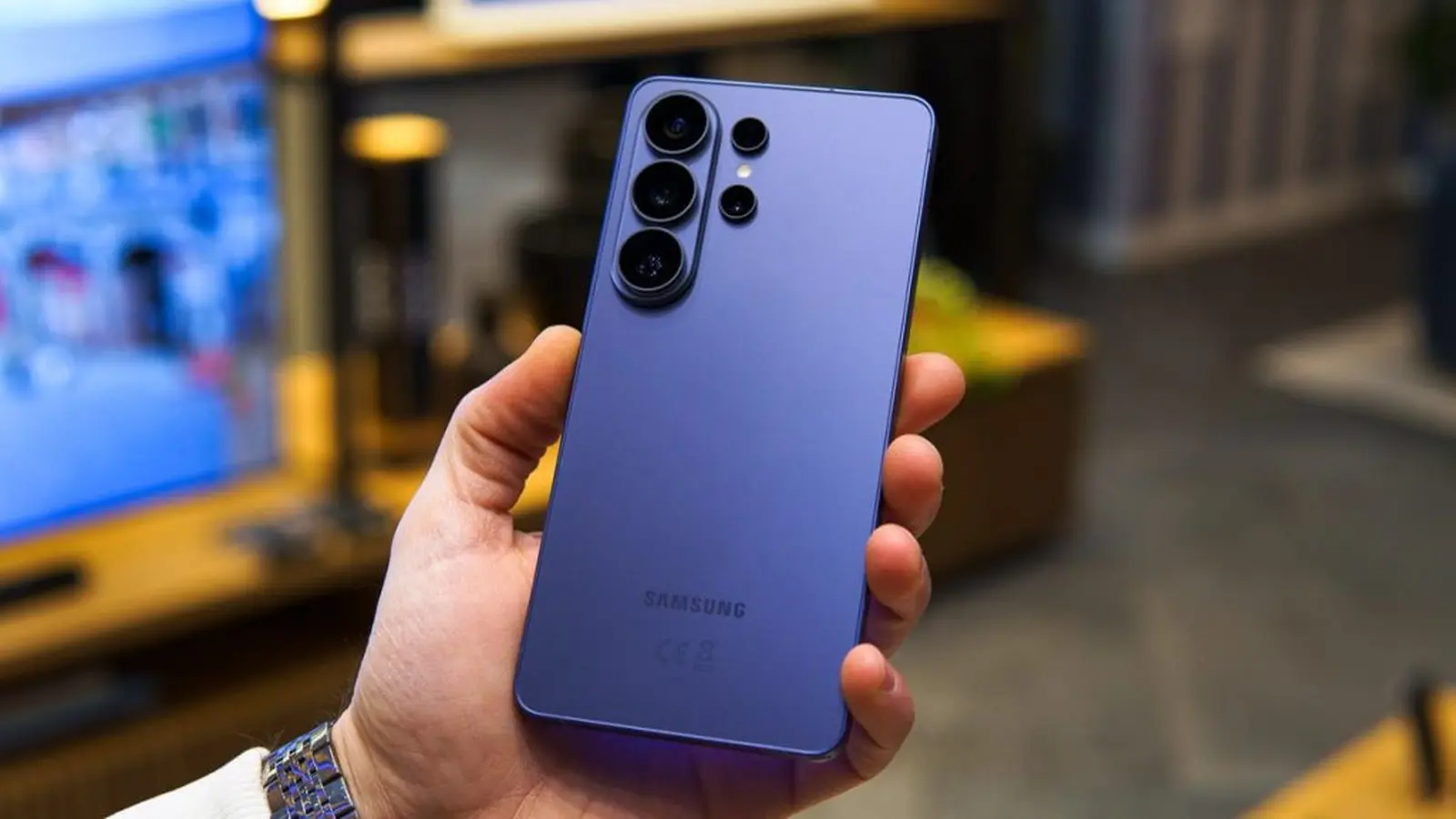
Shot a scene on your phone and wished it could drop straight into a pro editing timeline? That day is closer than you think.
Samsung unveiled the Galaxy S26 Ultra tonight as its most capable flagship yet, but the quiet headline is a tool aimed squarely at creators: native support for the Advanced Professional Video (APV) codec. First introduced by Samsung in 2023, APV is a lossless-focused video codec built to preserve image fidelity while keeping file sizes practical — Samsung claims roughly a 20% reduction compared with common codecs such as HEVC.

APV isn’t just another format with a slick name. It covers resolutions from Full HD to 4K and 8K, and works with HDR10 and HDR10+ pipelines. The codec supports tiling for immersive content, parallel encode/decode for faster processing, and a range of chroma-sampling options that go from 4:0:0 up through 4:4:4:4 to include alpha channels. Color depth runs from 10 to 16 bits, and APV can surface auxiliary streams — alpha channels, depth maps, and preview feeds — that are critical to high-end post-production workflows.
Why does that matter on a phone? Because the software and silicon ecosystem already lined up behind APV. Google added native APV handling in Android 16, Qualcomm baked support into the Snapdragon 8 Elite Gen 5, and now Samsung’s Exynos 2600 brings APV decoding and encoding to the S26 Ultra. The result is an end-to-end capture pipeline: shoot on the phone, hand off to desktop editors, and retain far more of the original data than with traditional mobile codecs.

APV lets mobile footage behave like footage from dedicated cinema cameras, making it workable in professional timelines without heavy transcoding.
That compatibility is already practical. APV files can be opened in desktop-grade apps such as DaVinci Resolve and in pro-minded mobile editors like LumaFusion. For indie filmmakers and social creators alike, that means fewer conversion steps, less quality loss, and a faster path from capture to color grading and VFX. In short: phones become first-class capture devices rather than convenient placeholders.
There are still questions to watch. Storage and battery impact, adoption across social platforms, and how third-party apps implement APV in day-to-day shoots will shape whether APV becomes a niche pro feature or a mainstream tool for anyone serious about mobile video. But the technical pieces are in place: codec, OS, silicon, and editor support.
If you make video on a smartphone, the S26 Ultra’s APV support is one of those small changes with outsized consequences — and it might finally let your phone footage sit comfortably beside footage from much larger rigs.

“I cover emerging technologies, digital innovation, and the intersection of tech and everyday life. My goal is to make complex trends accessible and inspiring.”

Discussion
Leave a Comment
Comments
No comments yet. Be the first.