
3 Minutes
No press event. No flashy demo. Just a quiet move that says a lot about where Amazon thinks delivery is headed.
The company has acquired Swiss robotics startup Rivr, a little-known player building machines designed for one very specific job: getting packages from the curb to your front door. It’s the most stubborn, expensive, and human-dependent stretch of the entire logistics chain—and Amazon wants to rethink it.
The deal wasn’t broadcast with the usual corporate fanfare. In fact, Rivr’s own website gives no hint of the acquisition. Instead, Amazon slipped the news into a message sent directly to its vast network of third-party delivery contractors, the people currently handling that final stretch.
The message was simple: Rivr’s technology could work alongside human drivers to improve safety and make deliveries smoother, especially in those last few meters where things often get inefficient.
That phrasing matters. Amazon isn’t replacing drivers—at least not yet. It’s augmenting them.
The Last 50 Feet Problem
Moving millions of packages across continents is a solved problem. Getting a single box from a van to a doorstep? Not so much.
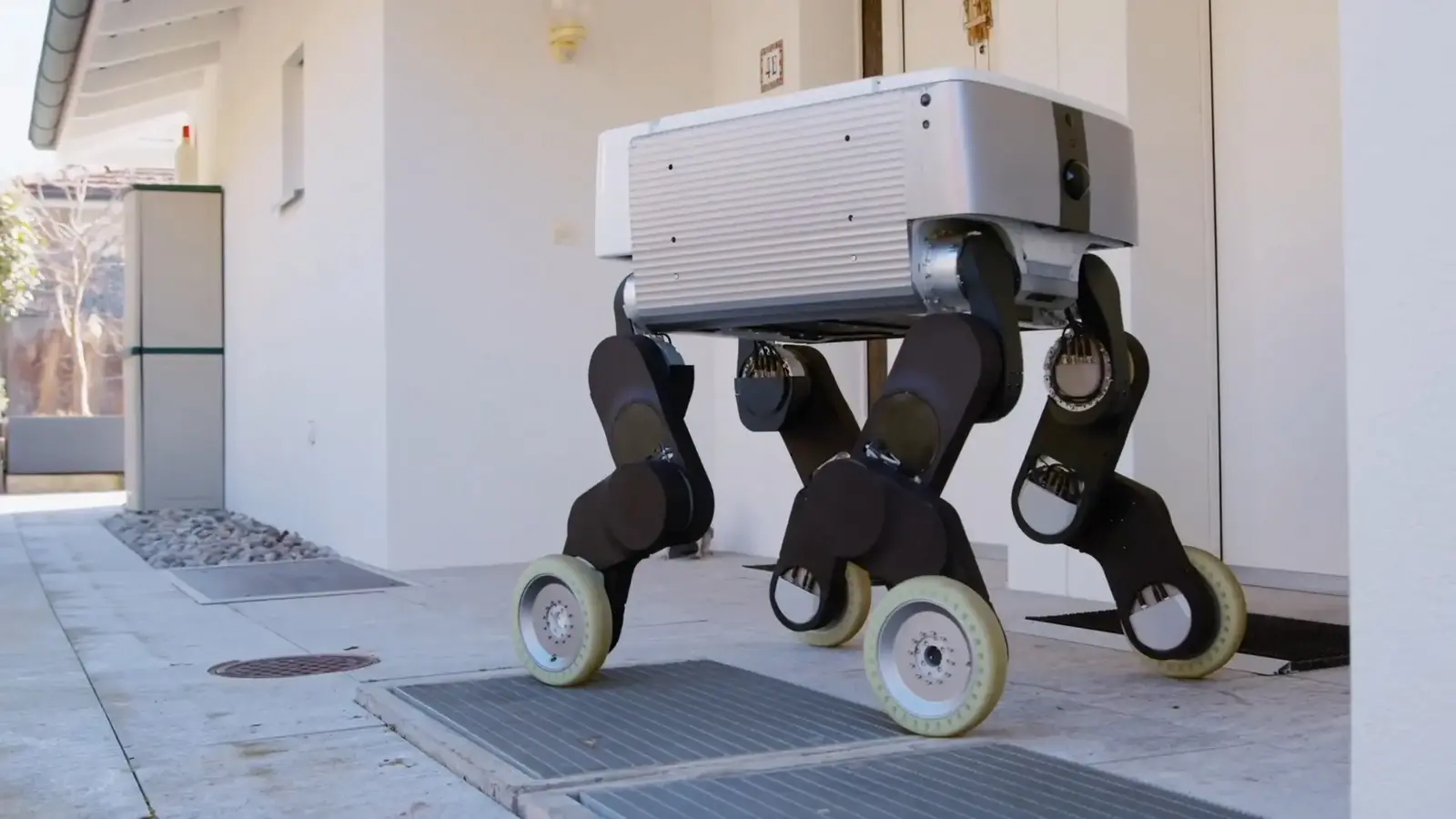
That’s where Rivr comes in. The company has been experimenting with compact, four-legged robots mounted on wheels—machines built to navigate sidewalks, steps, and unpredictable urban terrain. Think less warehouse automation, more street-level agility.
Amazon says it’s still early days. There’s no immediate rollout, no promise of robots showing up in neighborhoods next month. But the direction is clear: test, refine, scale.
For the thousands of contractors in Amazon’s delivery ecosystem, this could eventually mean working alongside robotic assistants that handle repetitive or physically demanding tasks—reducing strain, speeding up routes, and potentially cutting costs.
And yes, it also raises bigger questions about how much of delivery work will remain human over time.
The timing isn’t random. Advances in AI have made robotics far more adaptable than they were just a few years ago. Machines can now interpret environments, adjust movements, and make decisions in ways that used to require human judgment.
At the same time, labor markets are tightening in many regions, and aging populations are putting pressure on physically demanding jobs like delivery. Robotics isn’t just a tech experiment anymore—it’s becoming a practical response to a growing workforce gap.
Amazon has been here before, investing heavily in warehouse automation and experimenting with delivery drones. But Rivr signals a more grounded ambition: fixing the part of delivery that customers actually see.
The moment when a package arrives at your door. Quietly, that moment is getting a lot more high-tech.
Source: neowin



Leave a Comment