
4 Minutes
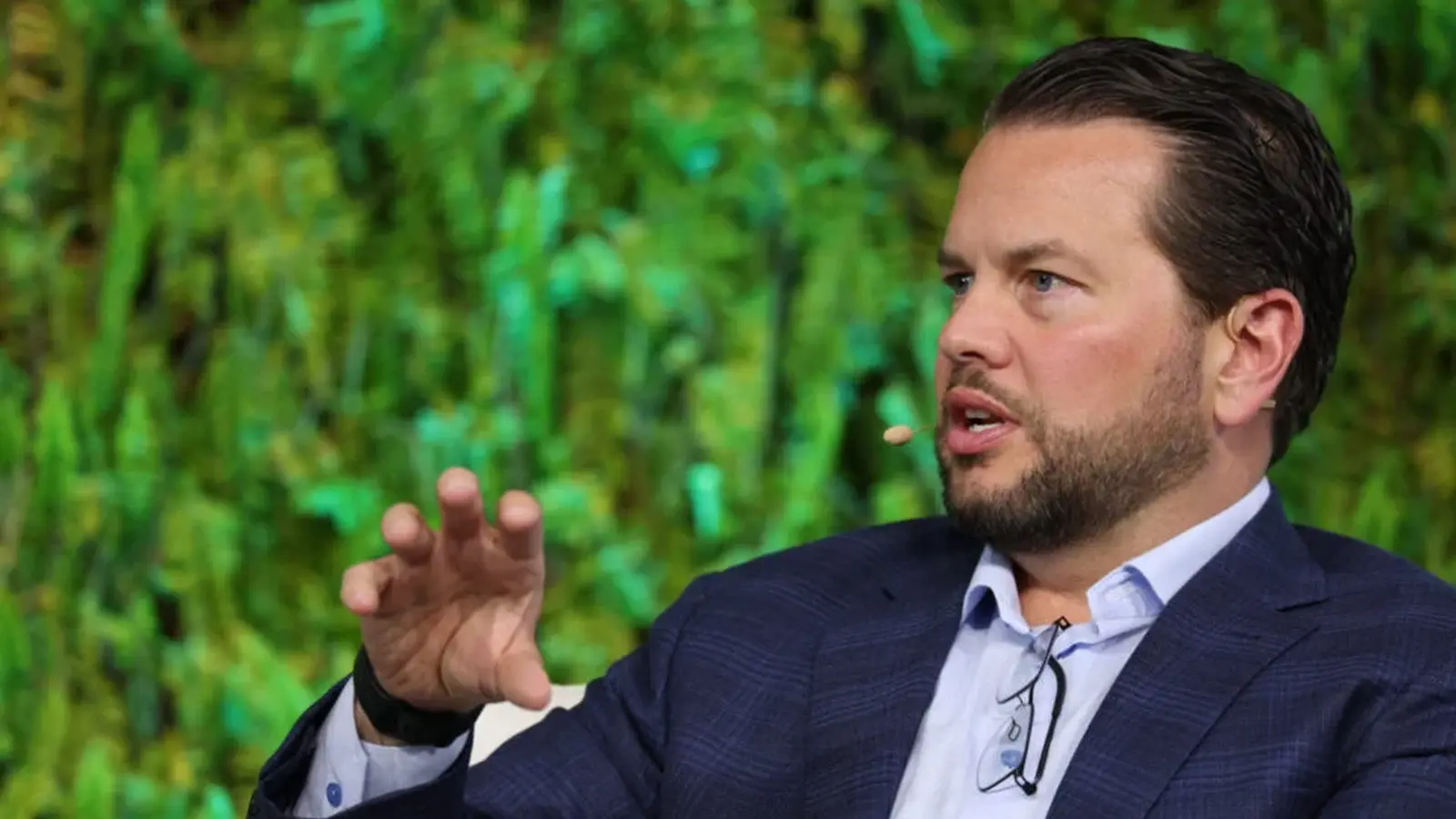
Bill Ready isn’t mincing words. The Pinterest CEO has stepped squarely into one of tech’s most uncomfortable debates, arguing that social media—at least in its current form—simply isn’t safe for kids under 16.
His stance lands at a moment when governments around the world are no longer just debating regulation—they’re starting to enforce it. Australia fired the first major shot, rolling out a nationwide ban on under-16s using social platforms in late 2025. Now, lawmakers across Europe and beyond are drafting similar rules, signaling a shift from hesitation to action.
Ready’s argument cuts deeper than policy. He’s challenging the very design philosophy behind modern social platforms: engagement above all else. In his view, systems optimized for endless scrolling, paired with the rise of AI-driven interactions, are shaping online environments that young users aren’t equipped to navigate safely.
He even draws a provocative comparison—likening parts of the tech industry to tobacco companies of the past, accused of ignoring public harm until regulation forced change. It’s a loaded analogy, but one that reflects growing frustration with years of self-regulation that critics say have fallen short.
Where the Data Is Pointing
Recent research is adding weight to these concerns. Findings from the University of Oxford’s Wellbeing Research Centre suggest a clear pattern: higher internet use among young people is linked to lower life satisfaction, with teenage girls appearing particularly affected.
Other regional studies echo the trend. In Latin America, algorithm-heavy content feeds—those designed to predict and maximize engagement—showed a stronger negative impact on mental health than platforms centered on direct communication. Meanwhile, in the Middle East and North Africa, where social media usage ranks among the highest globally, researchers observed increased stress levels and more frequent symptoms of depression.
The broader picture painted by scientists is difficult to ignore. Many now argue there’s substantial evidence tying social media to rising anxiety, cyberbullying, and even sextortion among young users. Some go further, suggesting that the rapid adoption of always-on social platforms in the early 2010s played a measurable role in the spike in youth mental health issues seen later that decade.
Still, not everyone is convinced that outright bans are the answer. Critics warn that age restrictions could be easy to bypass, while large-scale age verification systems may introduce privacy risks—or worse, open the door to surveillance abuses.
Ready acknowledges the complexity but insists inaction is the bigger risk. Pinterest has already taken a different path: accounts belonging to users under 16 are locked down by default, with no public discoverability, no messaging from strangers, and no visible likes or comments. Despite those limits, Gen Z now makes up more than half of the platform’s user base.
His takeaway is simple: prioritizing safety doesn’t drive young users away—it earns their trust.
That philosophy is now extending into policy support. Pinterest is backing the App Store Accountability Act in the U.S., a proposal that would shift responsibility to app stores themselves—requiring age verification and linking minors’ devices to parental approval systems. Similar device-level restrictions are already gaining traction in several state legislatures.
What’s unfolding isn’t just a regulatory trend—it’s a broader rethink of how young people should experience the internet. And if Ready’s position reflects where the industry is heading, the era of unrestricted youth access to social media may be nearing its end.


Comments
Reza
Is age checks on devices even doable without turning phones into surveillance boxes? kids bypass stuff, parents get blamed... complicated.
datapulse
Wow that tobacco comparison hit hard. Pinterest's defaults sound smart, but will regulators actually get it right? feels messy, but needed maybe

Leave a Comment