
3 Minutes
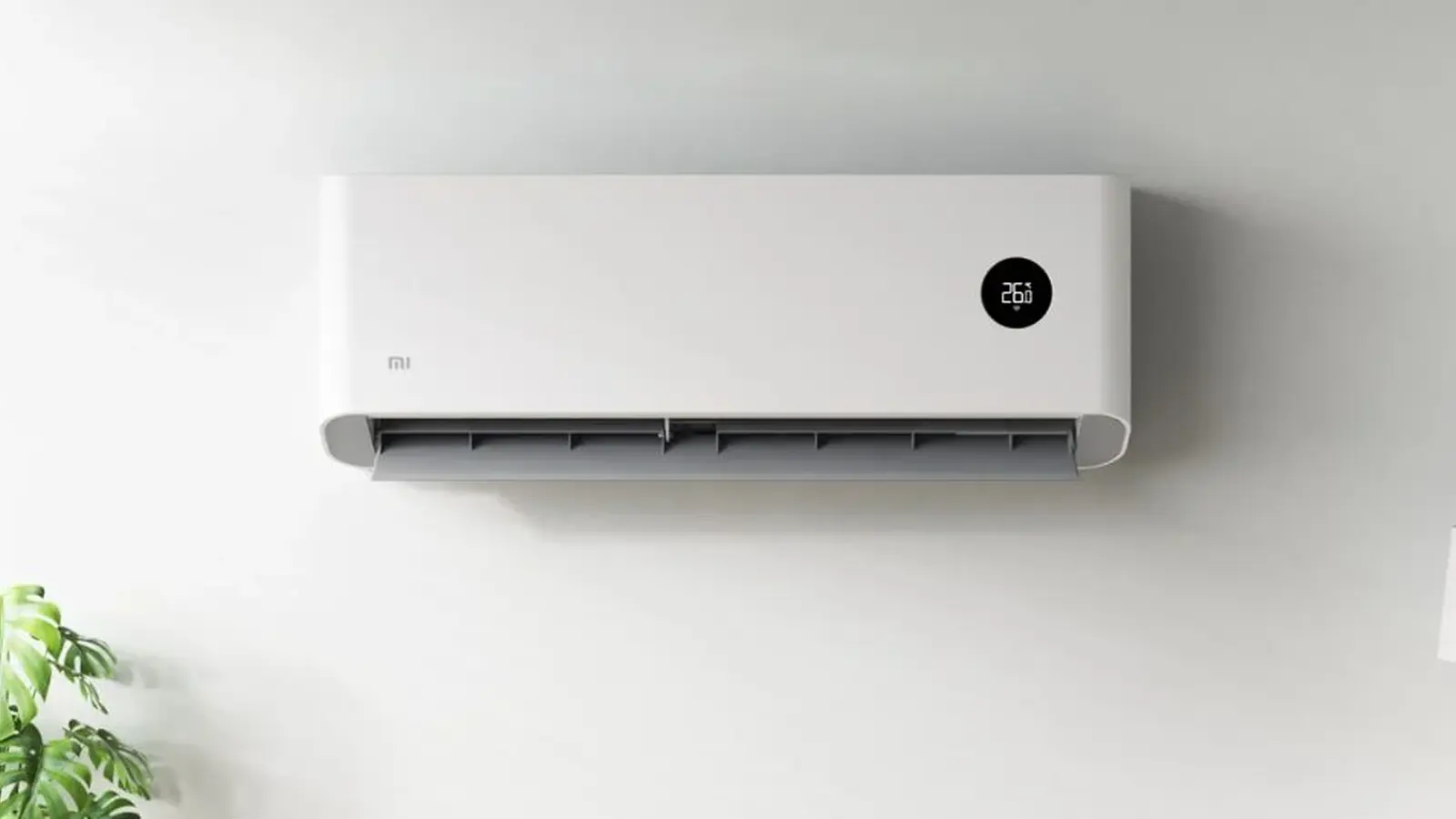
Eight and a half million units. That’s not a quiet win—it’s a statement. Xiaomi’s air conditioners didn’t just sell well in 2025; they reshaped expectations for what a smart home appliance brand can pull off at scale.
The company’s broader large home appliance division rode that wave hard, posting a 23.1% jump in revenue year over year. But the real momentum came from cooling systems, where Xiaomi found a sweet spot between affordability, smart features, and aggressive expansion.
Air conditioners alone crossed 8.5 million shipments, marking a 24% annual increase. Refrigerators and washing machines also climbed to record highs—2.8 million units (up 4%) and 2.3 million units (up 18%), respectively—but they played supporting roles in what has clearly become Xiaomi’s cooling-first story.
Where Smart Meets Practical
Xiaomi didn’t get here by flooding the market with basic units. Its lineup now stretches from entry-level wall-mounted systems to more sophisticated multi-split central air solutions, targeting everything from small apartments to larger, connected homes.
The edge lies in integration. Through HyperOS Connect and the Mijia ecosystem, users can control temperature, airflow, and scheduling directly from their phones—or just ask XiaoAI to handle it. Sensors quietly track temperature and humidity, adjusting conditions automatically without constant user input.
Then there’s the more futuristic touch: millimeter-wave radar in premium models. It detects human presence and subtly redirects airflow to where it’s actually needed. Not flashy, but deeply practical.

Xiaomi’s strategy isn’t about reinventing appliances—it’s about making them quietly smarter and more responsive.
The company also made a calculated move on trust. A 10-year warranty now backs Mijia air conditioners, covering labor, parts, repairs, and even refrigerant refills. In a category where after-sales service can make or break a brand, that’s a strong signal.
Scaling Up, Looking Outward
Behind the scenes, production scaled just as aggressively. Xiaomi’s Wuhan Smart Home Appliance Factory—capable of producing 7 million units annually—helped the company keep pace with demand. In the second quarter of 2025 alone, shipments hit 5.4 million units, a sharp 60% increase from the previous year.
That surge translated into a 16% share of China’s online air conditioner market, a space that’s becoming increasingly competitive as consumers shift toward connected devices.
And Xiaomi isn’t staying local. The brand expanded its smart appliance lineup across key European markets, including Spain, Germany, France, and Italy. India is next on the roadmap, signaling a broader push to turn its domestic success into a global footprint.
For a company once associated mainly with smartphones, this shift feels deliberate. Xiaomi isn’t just building gadgets anymore—it’s building an ecosystem that quietly powers everyday life, one room at a time.



Leave a Comment