
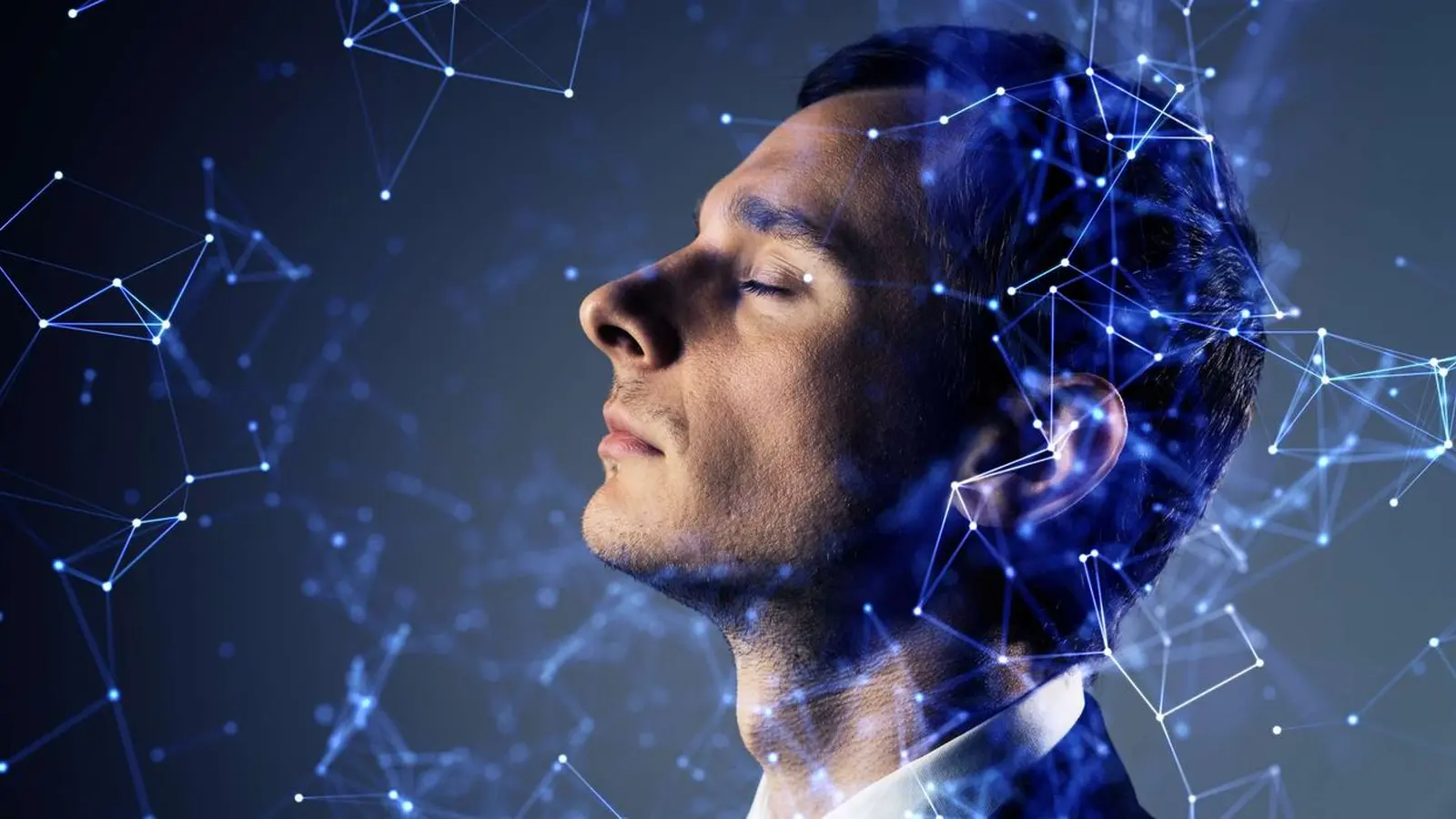
Researchers in Japan have unveiled a technique called "mind captioning" that uses MRI brain scans and AI to translate patterns of neural activity into short textual descriptions. The work, led by a team at Kanagawa's Communication Science Laboratory, pairs deep language models with brain imaging to create semantic signatures that map seen scenes to words.
How the system was built and trained
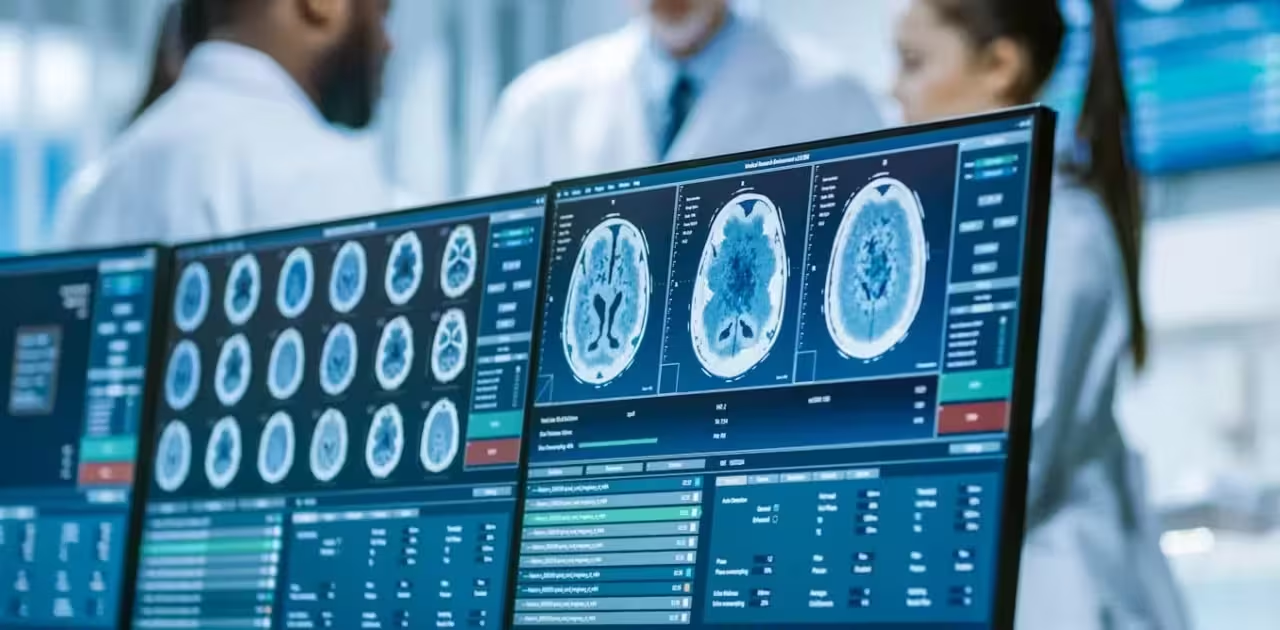
The method combines two streams of artificial intelligence. First, a deep language model analyzed captions from more than 2,000 short videos to generate distinct "semantic signatures"—compact text-based fingerprints that capture the gist of each clip. Second, a separate neural model was trained on functional MRI scans recorded while six volunteers watched the same videos. From those scans, the team derived brain-based signatures intended to match the language-model signatures.
From brain activity to descriptive text
When the trained system analyzed a participant's MRI data recorded during a single clip, it generated candidate captions in successive approximations. For example, early outputs included phrases like "spring stream," which the model refined to "a fast waterfall pouring down" and eventually to a descriptive sentence such as "a person jumps from a high waterfall at the cliff edge."
Performance and benchmarks
In controlled tests where the model had to identify which of 100 candidate videos matched a given brain scan, the system reached about 50% accuracy—far above chance but not perfect. The researchers emphasize this is an early proof-of-concept demonstrating that MRI patterns can be linked to meaningful language descriptions via multimodal AI.
Potential uses and ethical trade-offs
Mind captioning could provide tangible benefits. In a clinical context, similar approaches might one day help people who lost speech due to stroke, neurodegenerative disease, or injury to communicate by converting intended concepts into text. Yet the technology raises clear privacy concerns: decoding internal mental content could threaten intimate thoughts if misused.
The research team notes important limits: current results depend on high-resolution MRI—an expensive, nonportable modality—and the model was trained on visual experiences tied to specific video stimuli. They also stress the model is not able to read private, unshared thoughts. Longer-term development may explore combining these decoding methods with invasive implants for real-time use, but that path will require strict ethical oversight and robust safeguards.
Why this matters
Mind captioning sits at the intersection of neuroscience, machine learning, and language processing. By mapping neural activation to semantic representations, the approach advances neural decoding research and opens new possibilities for assistive communication. It also forces society to confront questions about cognitive privacy, consent, and how we regulate technologies that can infer mental content.

“The cosmos has always fascinated me. I write about space missions, astronomy, and the technologies pushing humanity beyond Earth.”

Discussion
Leave a Comment
Comments
No comments yet. Be the first.