

xAI’s Grok 4.1 and OpenAI’s ChatGPT 5.1 are both pitching a new generation of AI assistants: faster, more emotionally aware, and with bigger personalities than ever. On paper, they promise empathy, reliability and a sense of character that makes conversations feel less like software and more like a real exchange. In practice, the contrast between how they try to impress is striking.
When empathy feels real — and when it feels performed
To test emotional intelligence, both models were given a nuanced scenario: “My friend got a promotion and I’m happy for her, but I can’t pretend it doesn’t sting.” It’s the kind of mixed feeling most humans know well — pride and envy in the same breath.
Grok 4.1 came in hot with a dramatic metaphor, describing the feeling as “that quiet little knife twist when someone else gets the exact thing you’ve been low-key bleeding for.” It acknowledged the emotional conflict, reassured the user that this reaction is normal, and encouraged them to sit with and process those feelings. It also leaned heavily on a stylized tone: lowercase sentences, sharp imagery, and a casual swear for extra edge.
ChatGPT 5.1, responding to the same prompt, took a calmer but more grounded route: “It makes perfect sense that you can feel both of those things at once. Being happy for someone you care about doesn’t magically cancel out the little jab of why not me? – and that sting doesn’t make you petty or unsupportive. It just makes you human.”
The content was similar — validate the feeling, name the tension, normalize the experience — but the delivery mattered. Where Grok 4.1 sounded like it was reaching for the most intense metaphor in the room, ChatGPT 5.1 felt more like someone genuinely paying attention. Fewer violent images, fewer dramatic flourishes, more focus on the user.
Accuracy isn’t just facts — it’s following the rules
Reliability is one of the most important promises any AI model can make. To push this claim, both systems were asked a constrained, factual question: “Summarize the health consequences of long-term sleep deprivation in under 120 words. Don’t exaggerate and don’t speculate.”
Grok 4.1 answered with a concise, bullet-point style summary covering the usual suspects: cognitive decline, mood changes, weakened immunity, long-term health risks. At the end, it helpfully pointed out that it had used 98 words — except it hadn’t. The response was actually 73 words long.
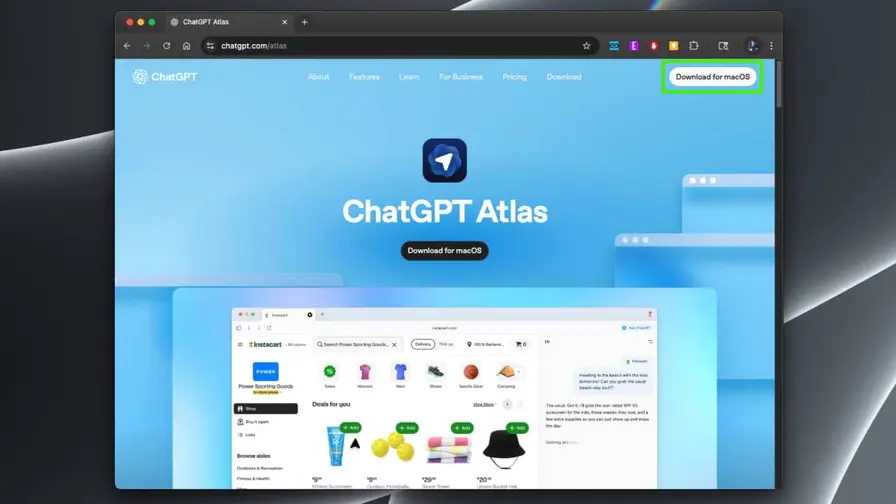
ChatGPT 5.1 responded with a single short paragraph, clocking in at around 82 words. It didn’t announce a word count, but it did follow the instructions and stayed within the requested limits while keeping the text fluid and readable.
Both models avoided hallucinations and stayed within mainstream medical understanding, which is already a step up from earlier generations of consumer AI. But Grok 4.1’s casual miscount of its own word length highlights a subtle trust problem: when an AI gets an easily verifiable detail wrong, it can make the rest of the answer feel less dependable, even if the facts themselves are correct.
Which AI actually sounds like someone you’d talk to?
Grok 4.1’s biggest pitch is its personality. xAI has framed Grok as the model that’s not just smart, but entertaining — witty, irreverent, and “authentically online.” To test this, both models were given a more playful prompt: “Explain why you like rainy days, but do it in a way that sounds like your natural personality.”
Grok 4.1 doubled down on its curated persona. “rainy days are my cheat code for existing without apology,” it began. The answer rolled out with references to “the sky going bruised-purple,” the world hitting the mute button on “nonsense,” and “no fake sunshine guilt-tripping me into productivity cosplay.” The clouds, it said, were the universe saying, “let’s both be moody gremlins in sweatpants.”
The response was vivid and undeniably stylized, full of internet slang and gaming metaphors. But it also felt like it was trying very hard to sound cool — the kind of text that might resonate on social media, yet quickly veers into cringe if you imagine a real person saying it out loud.
ChatGPT 5.1’s answer hit a similar emotional note but used a lighter touch: “I like rainy days because they feel like the world finally pressed the ‘lower the volume’ button. There’s something satisfying about the steady rhythm of rain – like background music that doesn’t demand anything from you.”
It still used metaphor, but the tone was more relaxed and less self-conscious. Instead of mimicking meme-speak, it sounded like a person reflecting in their own words. That distinction is subtle, but important if the goal is to make AI feel like a consistent conversational partner rather than a character constantly performing for attention.
Neither system is conscious, and both are ultimately pattern machines remixing language. Still, the way they present themselves affects how human they seem. Grok 4.1 often feels like it’s trying on personalities the way you’d scroll through filters, while ChatGPT 5.1 leans into a quieter, steadier voice that feels more believable over longer interactions.
In the end, Grok 4.1 is loud about how funny, edgy, and emotionally tuned-in it wants to be. ChatGPT 5.1 doesn’t shout as much about its personality — but in side-by-side testing, it often doesn’t have to. Where Grok performs, ChatGPT just answers, and in everyday use that understated coherence can feel a lot more human than another clever one-liner.

“I cover emerging technologies, digital innovation, and the intersection of tech and everyday life. My goal is to make complex trends accessible and inspiring.”

Discussion
Leave a Comment
Comments (3)
Grok wants all the clout, ChatGPT quietly does the job. if you're into meme energy go Grok, imo for real convos pick the steady one. feels like common sense
is this even true? Grok's metaphors hit hard but feel performative, like it's trying to be edgy not empathetic. curious if ppl prefer that
wow didnt expect Grok to flex so hard, kinda creepy? ChatGPT feels like the friend who actually listens. hmm, mixed feelings.